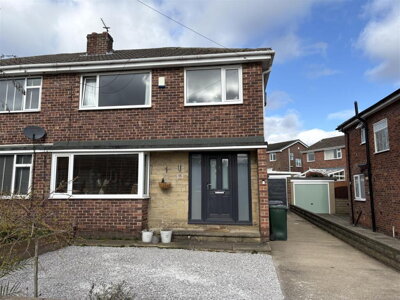
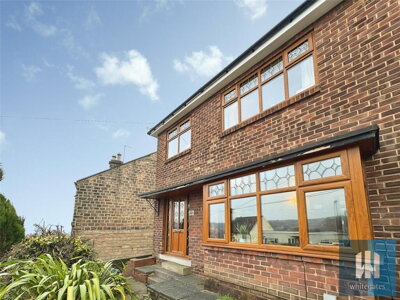
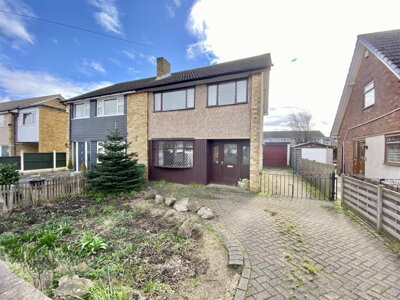
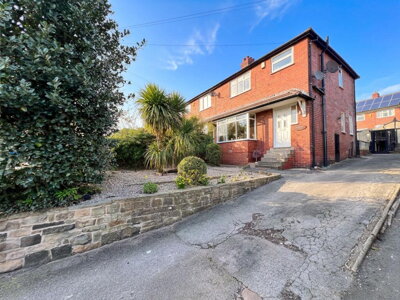
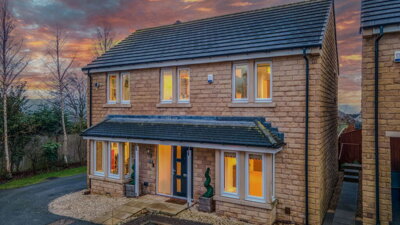
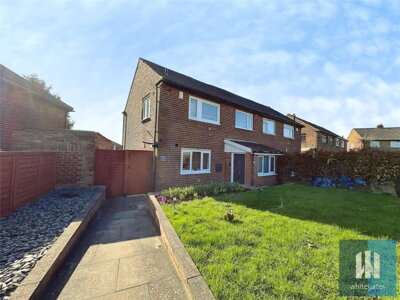
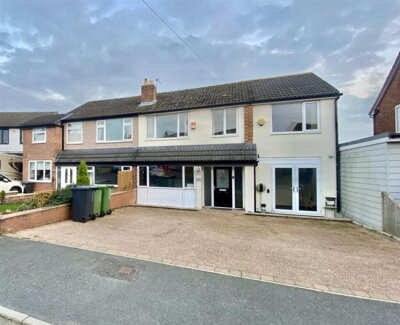
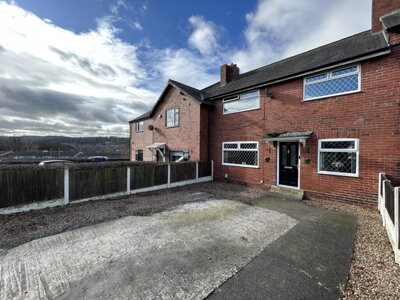
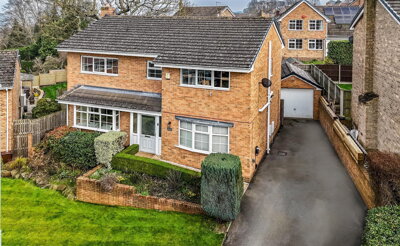
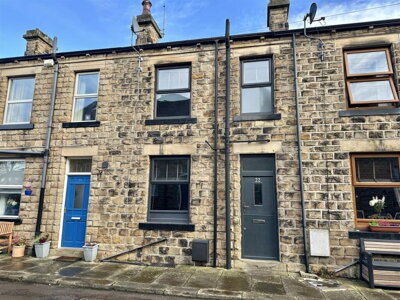
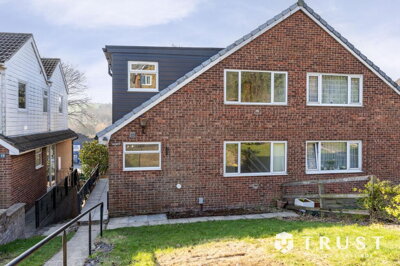
Mirfield sits within the Kirklees district in West Yorkshire, with a population of approximately 20,171 residents according to 2024 estimates. The town enjoys a strategic position between the regional centres of Huddersfield, Dewsbury, and Wakefield, with the M62 motorway providing direct access to Leeds, Manchester, and Sheffield. The town centre offers a good selection of shops, restaurants, and amenities, while the surrounding countryside provides scenic walks along the River Calder and the Calder and Hebble Navigation canal. The blend of urban convenience and rural accessibility makes WF14 particularly appealing to families and commuters seeking a balanced lifestyle without city centre prices.
The geological characteristics of WF14 present important considerations for property owners and prospective buyers. The local clay soils, typical of much of West Yorkshire, create potential shrink-swell subsidence risks, particularly during periods of drought when soil moisture levels fluctuate significantly. Properties with mature trees or those built on medium to high plasticity clay should receive careful structural assessment. Additionally, Mirfield historical coal mining legacy means some areas may have underlying stability concerns from old mine workings, a factor that surveys and valuations should address. These geological factors underscore the importance of obtaining appropriate property surveys before committing to a purchase in certain areas of WF14.
Flood risk is a genuine consideration in parts of WF14 due to the River Calder and the Calder and Hebble Navigation traversing the area. Specific flood warning zones include "Calder View to Steanard Lane" around the Ship Inn and Granny Lane, and "Central Mirfield" covering Battyeford, East Thorpe, and Lower Hopton. Properties in areas such as Granny Lane and Hopton Bottom, situated on ancient floodplains, have experienced significant flooding events in the past. Local communities have raised concerns about drainage issues and the impact of new developments on flood risk. Prospective buyers should check flood risk assessments and consider properties with adequate flood resistance measures, particularly in the lower-lying areas near the river and canal system.
The educational profile of WF14 supports a strong family demographic, with several well-regarded primary and secondary schools serving the area. Average household incomes in Mirfield stand at approximately £32,000, below the Kirklees average, which contributes to the area reputation for affordable housing relative to surrounding towns. The local economy benefits from a diverse employment base, with the broader Kirklees area showing particular strength in manufacturing (employing 15.8% of the workforce, nearly double the national average), alongside retail, education, and healthcare sectors. This economic stability supports the housing market by providing employment opportunities that attract and retain residents in the WF14 area.










 William H. Brown
-10d ago
William H. Brown
-10d ago