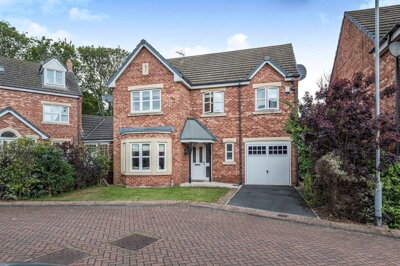
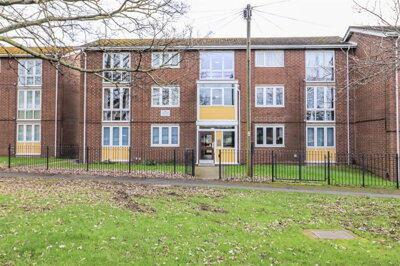
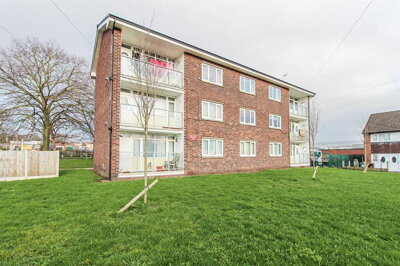
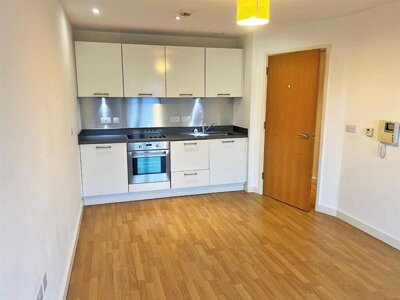
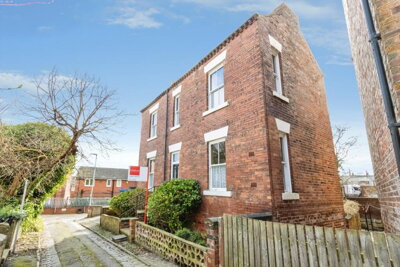
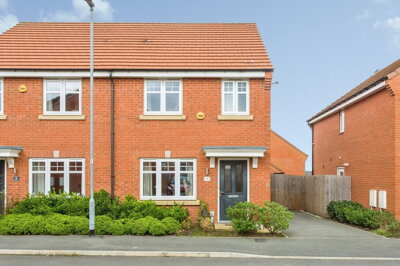
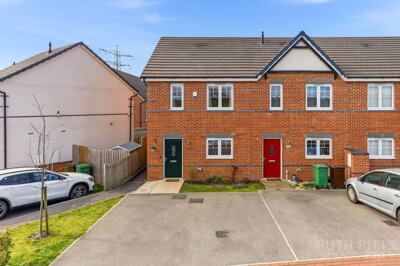
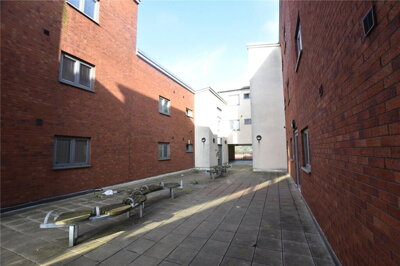
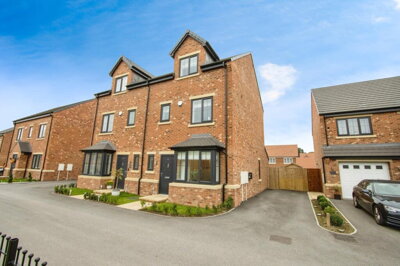
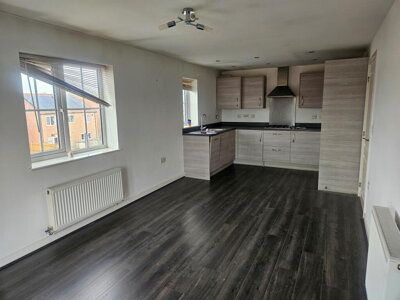
Wakefield city centre within WF1 offers a blend of Victorian architecture, post-war redevelopment, and modern apartment developments, creating a diverse housing landscape that caters to various buyer preferences. The area benefits from strong transport links including Wakefield Westgate and Wakefield Kirkgate railway stations, providing direct services to Leeds, Sheffield, and London Kings Cross via the Penzance route. The city centre has seen significant regeneration in recent years, with the Cathedral Quarter and waterfront developments bringing new restaurants, cafes, and cultural venues that have enhanced the appeal of city centre living.
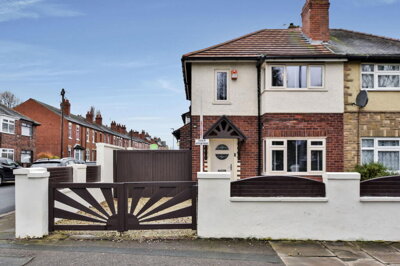
The outlying residential areas within WF1, including Sandal, Belle Vue, and Agbrigg, offer more traditional suburban housing with good schools, local shops, and community amenities. These areas are particularly popular with families and commuters who want access to Wakefield's services while living in residential neighbourhoods. The geology of the Wakefield area, situated in Yorkshire, predominantly features traditional brick construction with concrete tile and slate roofing materials, consistent with building patterns across West Yorkshire.
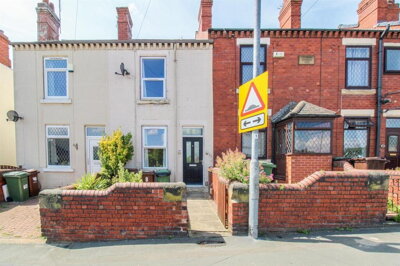
While specific flood risk data for individual streets in WF1 was not detailed in our research, properties in low-lying areas near the River Calder should consider flood risk as part of any purchase decision. The local housing stock spans various construction periods, from Victorian terrace houses in the older districts to 1970s and 1980s suburban developments in the outer parts of the postcode. Conservation areas exist in parts of Wakefield, particularly around the historic town centre and along certain tree-lined avenues, which may affect permitted development rights for homeowners considering renovations.










 Readysteadysold
-10d ago
Readysteadysold
-10d ago