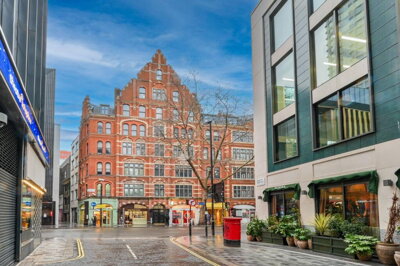
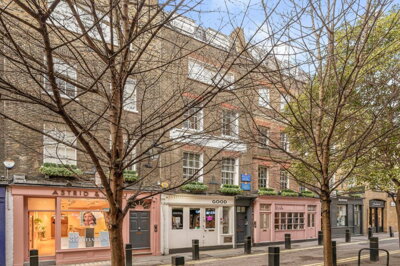
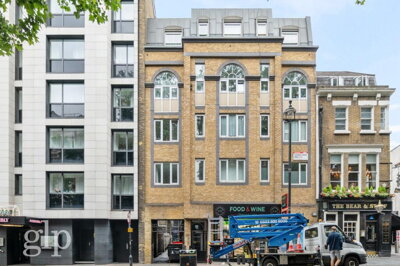
WC2H occupies a pivotal position in London's West End, encompassing the famous Covent Garden Piazza, the theatre district surrounding Leicester Square, and the vibrant streets around Seven Dials. The area boasts rich architectural heritage, with significant portions falling within the Covent Garden Conservation Area and parts of the Soho Conservation Area. Numerous Grade II and Grade II* listed buildings dot the postcode, including the iconic Centre Point tower, while streets like Monmouth Street and Shorts Gardens feature Georgian and Victorian properties with ornate detailing that define the area's character.
The geology of WC2H presents specific considerations for property owners. The underlying London Clay creates a moderate to high shrink-swell risk, meaning foundations can be affected by seasonal moisture changes. This geological factor contributes to subsidence concerns, particularly in older properties with shallower foundations. Additionally, as a densely built-up urban area, WC2H faces surface water flood risk during heavy rainfall when drainage systems become overwhelmed, though fluvial and coastal flooding are not concerns in this inland location.
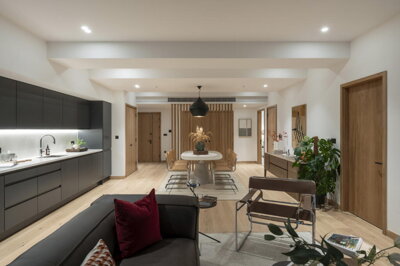
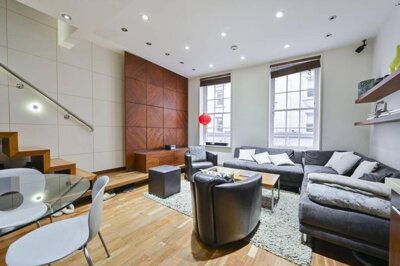
Residents of WC2H benefit from exceptional transport connections, with multiple Underground stations including Covent Garden (Piccadilly Line), Leicester Square (Piccadilly and Northern Lines), and Charing Cross (Northern, Bakerloo, and District Lines) all within the postcode. The area serves as a major economic hub for London's theatre and entertainment industry, retail sector, hospitality businesses, and creative industries, creating strong demand from professionals seeking central London living. The transient population driven by these industries supports a robust rental market, with average rents around £3,216 per month according to our rental agent data.
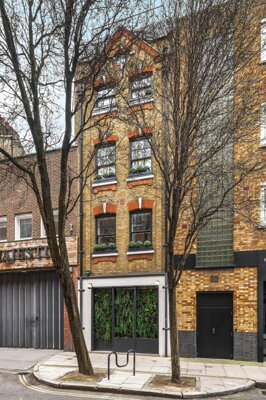
The predominant housing stock in WC2H dates predominantly from the Georgian, Victorian, and Edwardian periods, with many mansion blocks constructed between 1850 and 1919. These period properties often feature traditional brick construction, sash windows, and solid walls that require specific maintenance considerations. Modern developments like Central St Giles, completed in 2011, represent newer additions using contemporary materials including steel frames and modern cladding systems.










 New Build
 Strutt & Parker
-9d ago
Strutt & Parker
-9d ago