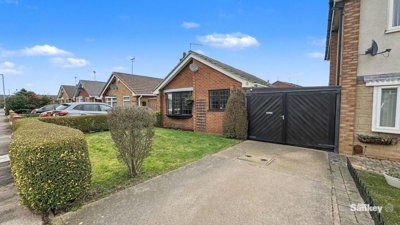
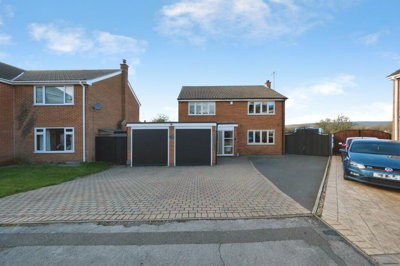
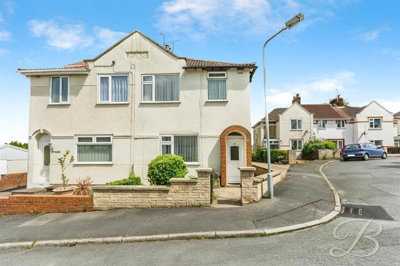
Warsop's identity as a former mining village shapes both its character and its housing stock in ways that every local estate agent understands. The parish, which includes Market Warsop, Church Warsop, Warsop Vale, Meden Vale, Sookholme, and Spion Kop, had a population of 12,644 according to the 2021 census, representing growth from 11,999 in 2011. This community of approximately 12,690 residents in 2024 enjoys a population density of 439.9 people per square kilometre, creating a semi-rural atmosphere that retains village charm while offering good connectivity to Mansfield and Nottingham for commuters. The Big Warsop partnership, funded through a £1 million Big Local grant over ten years, demonstrates ongoing community investment in local projects and facilities.
The geological and industrial history of Warsop presents important considerations for property buyers and their surveyors. The area has been quarried for centuries, particularly to the east in the Hills and Holes area, where limestone was extracted for use in local churches and Southwell Minster. Warsop Main Colliery, sunk in 1893 and employing around 2,500 men and boys by 1935, defined the local economy until its closure in 1989. This mining legacy means properties may require careful structural surveys to check for any ground movement or subsidence issues, particularly in areas where coal extraction occurred. The River Meden adds another environmental consideration, with flood alerts and warnings affecting low-lying agricultural land and roads around Warsop, Church Warsop, Meden Vale, and Budby.
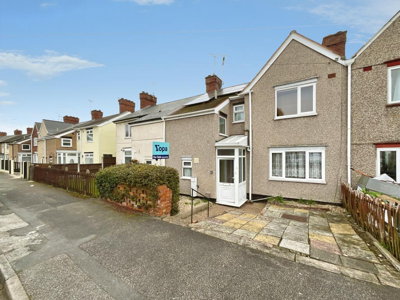
For buyers seeking period character, Warsop offers 28 listed buildings within its civil parish, including two Grade I listed properties, one Grade II*, and twenty-five Grade II listings. The most significant is Warsop Old Hall, now serving as Warsop Parish Centre and reputed to be the most important medieval house in Nottinghamshire, listed at Grade II*. Warsop Mill, a Grade II listed watermill dating from 1767, and the stone-built windmill with its later brick fourth storey add to the architectural heritage. Properties constructed from dressed stone or coursed squared rubble, common in these older buildings, feature pantile and slate roofs that require ongoing maintenance but contribute to the village's distinctive character. The earliest community housing in Warsop Vale, built around 1900 for miners, consisted of terraced houses that still form part of the housing fabric today.











 John Sankey
-1d ago
John Sankey
-1d ago