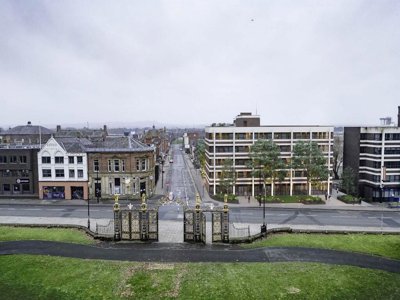
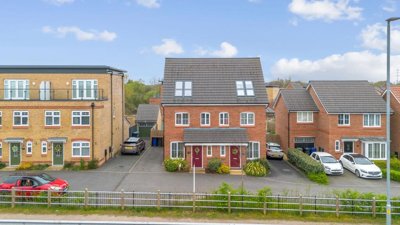
Warrington's population of 210,011 across 87,510 households makes it one of the largest towns in the North West outside of Manchester and Liverpool. The town enjoys exceptional transport connectivity, with the M6, M62, and M56 motorways converging nearby, making it ideal for commuters working in Liverpool, Manchester, or the wider Cheshire region. Warrington Central and Warrington Bank Quay railway stations provide regular services to major cities, with journey times of around 20 minutes to Manchester and 40 minutes to Liverpool. Major employers including Amazon, Eddie Stobart, and businesses at Birchwood Park drive significant employment in the logistics, advanced manufacturing, and professional services sectors.
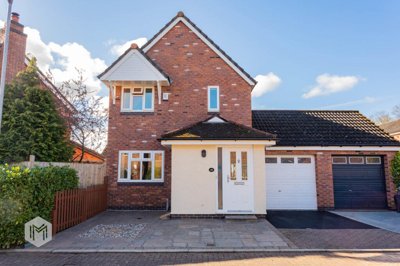
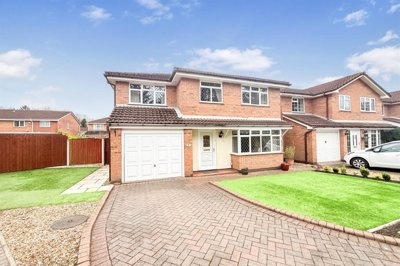
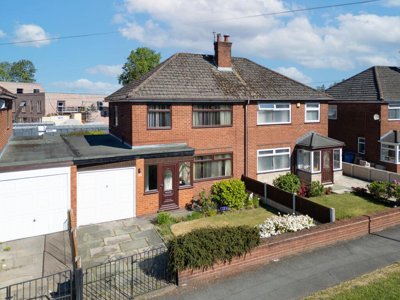
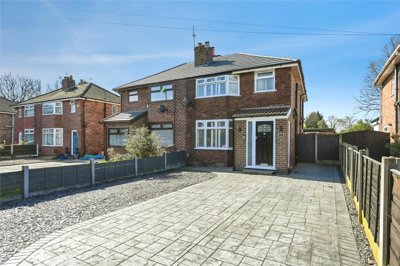
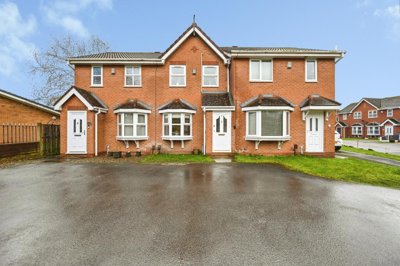
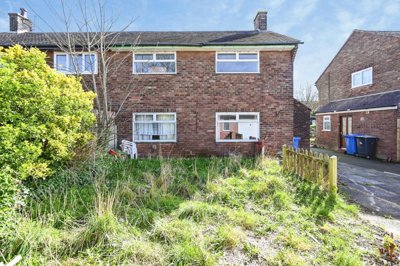
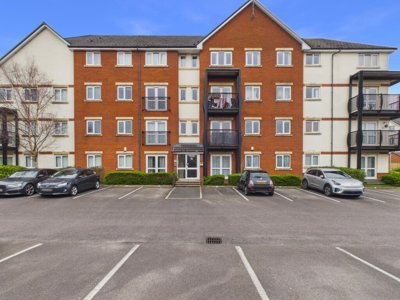
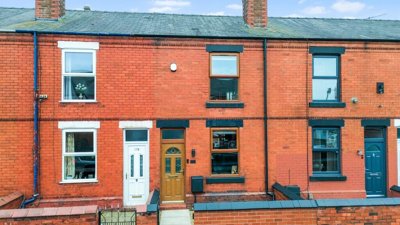
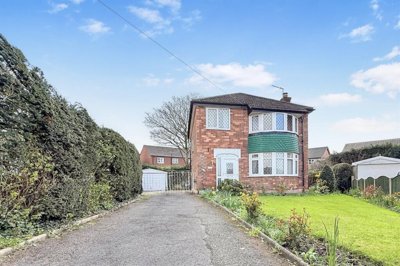
The borough's housing character varies significantly across its neighbourhoods. The town centre and surrounding areas feature a mix of Victorian and Edwardian terraced properties alongside modern apartments, reflecting Warrington's historical development. Outlying villages like Lymm and Stockton Heath offer more premium housing with higher average prices, while areas such as Culcheth and Great Sankey provide family-oriented communities with good schools and local amenities. According to the ONS Census 2021 data, 19.3% of properties were built pre-1919, 14.8% between 1919-1945, 39% between 1945-1980, and only 26.9% post-1980, showing the town's rich architectural heritage.
The geology of Warrington presents specific considerations for property owners. The area sits on glacial till (boulder clay) overlying Triassic sandstones, creating moderate to high shrink-swell risk that can affect foundations, particularly during periods of drought and heavy rainfall. Traditional brick construction dominates, with cavity walls common in properties built post-1920s and solid brick walls in older pre-1919 properties. Roofs typically feature pitched slate or clay tile construction. We always recommend that buyers in Warrington factor in potential foundation movement when purchasing older properties, particularly in areas with clay soils.
Flood risk is a notable consideration in certain parts of Warrington, particularly areas near the River Mersey and its tributaries including the River Sankey and Padgate Brook. Surface water flooding affects various parts of the borough, so prospective buyers should consider flood risk assessments when purchasing property. Several Conservation Areas, including those in Stockton Heath, Lymm, and the town centre, protect the architectural heritage, with concentrations of listed buildings throughout the borough reflecting Warrington's historical development from an industrial settlement to a modern town.
Historical coal mining activity also affects certain areas of Warrington, particularly in Bewsey, Dallam, and parts of Newton-le-Willows. Properties in these areas may require a mining search as part of conveyancing due to potential ground instability from historical mining activity. This is an important consideration for buyers and their conveyancers when purchasing property in these specific locations.










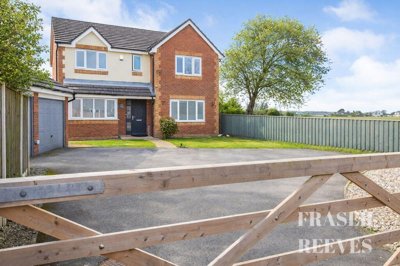
 Fraser Reeves Estate Agents
0d ago
Fraser Reeves Estate Agents
0d ago