Warmwell is a small village with a population of approximately 130 residents across the combined Warmwell and Poxwell area, according to mid-year estimates from 2024. The village possesses a strong sense of community, with an age distribution showing 13.1% of residents aged 0-15 years, 57.7% aged 16-64, and a notably high 29.2% aged 65 and over, indicating a mature population with significant long-term residents. This demographic profile suggests that property buyers are often seeking retirement homes or family properties in a peaceful rural setting, with the community stability appealing to those looking for long-term investment.
The village centre features eight listed buildings within its designated Conservation Area, established in November 1990 to preserve Warmwell's special architectural and historical character. Properties here include the Grade II* Church of the Holy Trinity dating from the 13th century, the magnificent Grade I Warmwell House from the early 17th century, and Victorian additions like the Old School House built in 1863. This wealth of historic architecture contributes significantly to the village's unique charm and property values, with period features commanding premium prices in the current market.
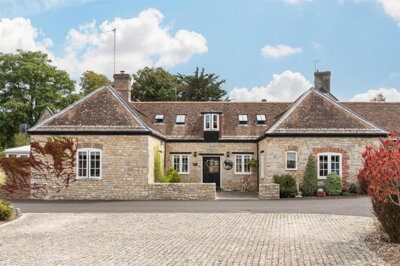
Geologically, the area presents considerations for property owners, with Dorset containing clay-rich soils that can expand and contract with moisture changes, creating shrink-swell risks. Properties in Warmwell may be constructed from local Purbeck and Portland stone, with traditional roofing using clay tile and stone slate. The Church of the Holy Trinity features rubble stone walls with stone dressings and clay tile roofs, while Warmwell House has coursed rubble stone and ashlar walls. Prospective buyers should factor in the potential for older properties to require specialist maintenance, particularly regarding damp management and structural movement, as the older housing stock dating from the 13th to 19th centuries often requires careful upkeep.
Employment in the Warmwell and Poxwell area shows 73% of residents in work, with nearly half (47.9%) in high-skill occupations, reflecting a prosperous and educated community. The village is home to a well-regarded leisure and holiday resort featuring a dry ski slope and swimming pool, which serves as a significant local employer alongside farming and stud operations in the surrounding countryside. This economic diversity supports the housing market by maintaining local employment and attracting buyers seeking a balanced rural lifestyle.











 Parkers Property Consultants and Valuers
-212d ago
Parkers Property Consultants and Valuers
-212d ago






























