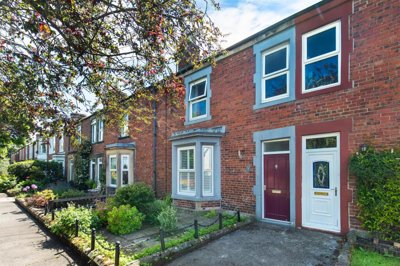
Morpeth is a Northumberland market town of around 14,000 people and roughly 6,000 households. Retail, services, education, healthcare and local council employment all feed into the housing market. The A1 and Morpeth railway station support movement towards Newcastle upon Tyne, which affects buyer budgets and viewing patterns. Tourism also plays a role, especially around the historic centre and the River Wansbeck corridor.
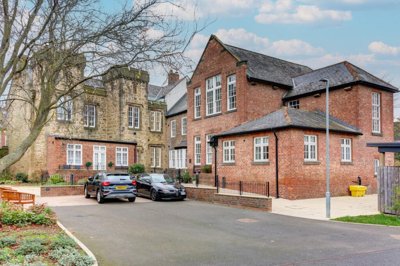
The town centre is a designated Conservation Area, with listed buildings including the Clock Tower and Morpeth Castle. That setting affects how some homes are marketed, particularly older residential and commercial properties with sandstone or red-brick elevations. Protected buildings can also bring extra buyer questions around alterations, windows, roofing materials and planning history. An agent handling these homes should know how to present age and condition without hiding practical constraints.
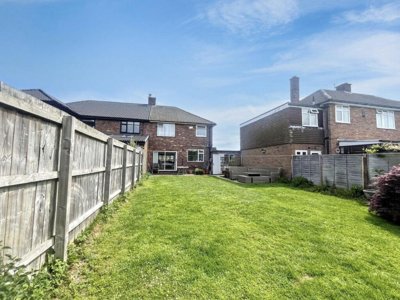
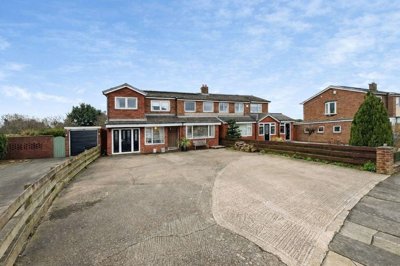
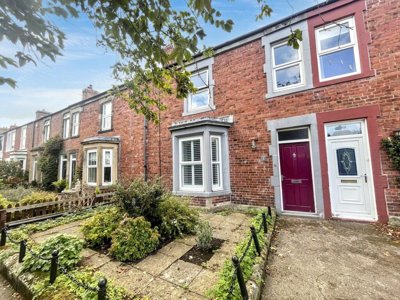
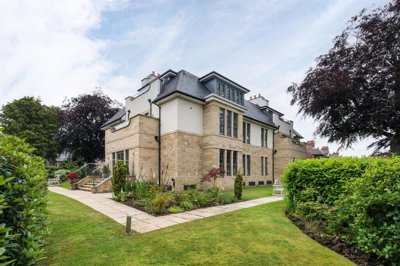
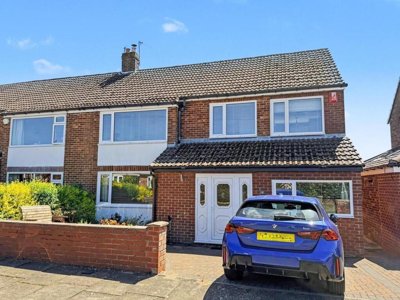
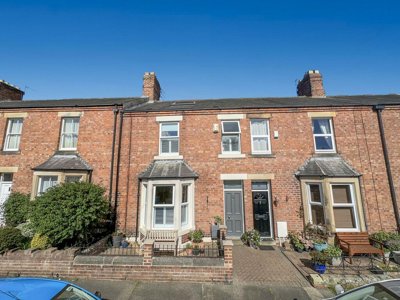
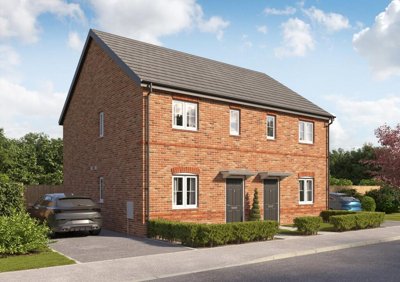
Construction varies across Morpeth. Traditional properties often use local golden-brown sandstone, lime mortar, timber floors and slate roofs. Inter-war and post-war housing is more likely to be brick or render, with cavity walls and timber roof structures. Modern homes at Stobhill Manor, Morpeth Gate and South Fields tend to use brick and block construction, with layouts suited to current buyer expectations.
Local ground conditions should not be ignored during a sale. Morpeth sits around Carboniferous rocks, including sandstones, shales and coal seams, with glacial till and river alluvium near the River Wansbeck. Clay-rich boulder clay can create moderate shrink-swell risk during dry spells followed by heavy rain. Flood history along the Wansbeck also means some buyers will look closely at insurance, defences and past water ingress.
- Population is approximately 14,000
- Around 6,000 households sit within the town
- Morpeth town centre is a Conservation Area
- The River Wansbeck influences flood-risk checks











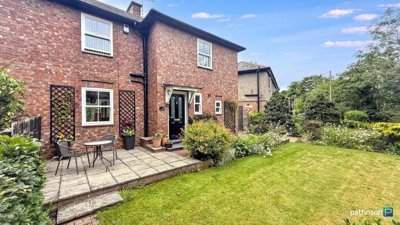
 Pattinson Estate Agents
-2d ago
Pattinson Estate Agents
-2d ago