The TW12 area, covering Hampton and Hampton Hill, boasts a population of approximately 24,040 residents according to the 2021 Census, with around 9,830 households. The area forms part of the London Borough of Richmond upon Thames, consistently ranked among the most desirable boroughs in the capital for its combination of green spaces, excellent schools, and strong transport connections. Hampton Village centre offers boutique shops, cafes, and a Waitrose, while the proximity to Bushy Park and Hampton Court Palace adds significant recreational and cultural value.
Transport links from Hampton and Hampton Hill stations provide regular services into London Waterloo and Wimbledon, making the area particularly popular with commuters. The A316 and A308 roads offer good road connections toward central London and the M3 motorway. These transport advantages contribute to sustained buyer demand, particularly from professionals working in central London who seek a quieter suburban lifestyle without excessive commute times.
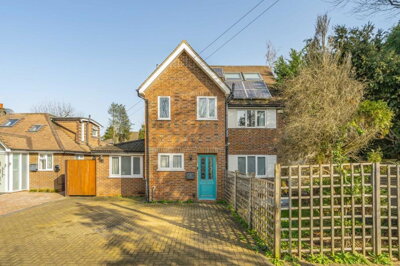
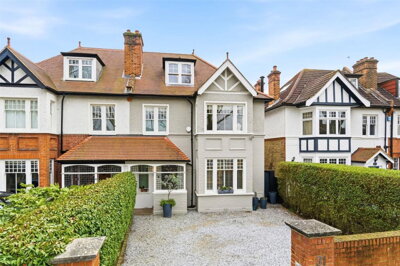
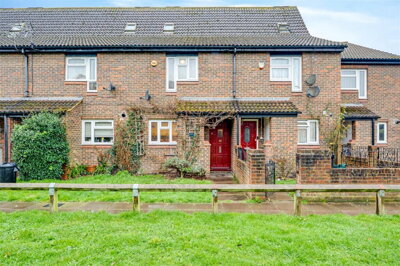
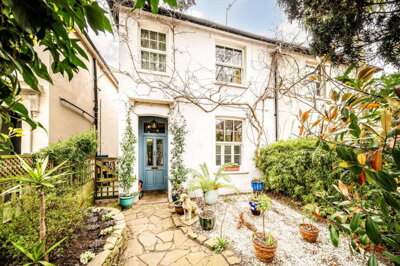
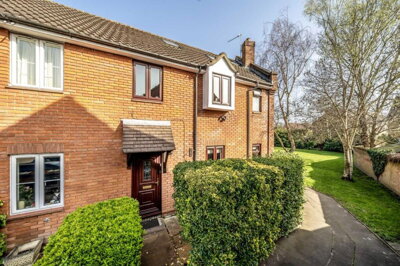
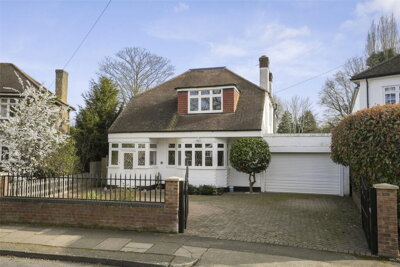
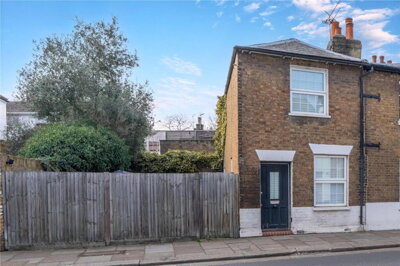
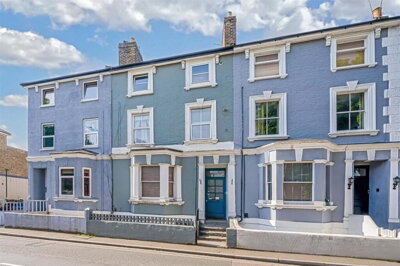
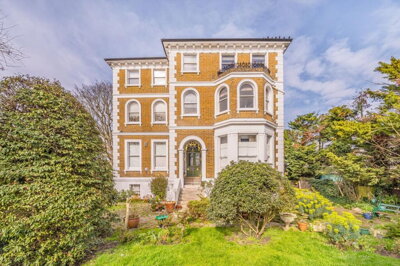
The housing stock reflects Hampton's evolution from a Thames-side village into a sought-after London suburb. Significant portions of the property stock were built between 1936 and 1979, particularly in sectors like TW12 1AE, where mid-century flats dominate. Meanwhile, TW12 1RF contains a notable proportion of period houses dating from 1800-1911, giving the area architectural variety. Modern developments have added contemporary housing since 1980, particularly around Hampton Hill, creating a market that offers something for every taste and budget.
Buyers should note that flood risk is a consideration in parts of TW12, with the Environment Agency monitoring river, sea, groundwater, and rainfall flooding potential. Properties in lower-lying areas near the Thames may require specific insurance considerations. Additionally, several conservation areas exist in Hampton and Hampton Hill, meaning restrictions may apply to modifications on period properties. A RICS Level 2 Survey is particularly valuable given the significant proportion of properties over 50 years old, helping identify issues common to older construction such as damp, roof condition, and outdated electrics.










 Property Partnership
-9d ago
Property Partnership
-9d ago