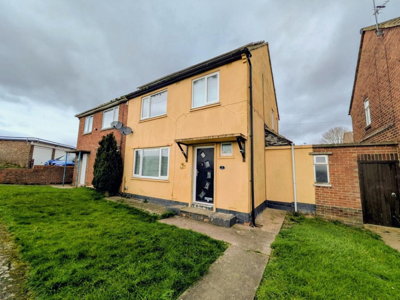
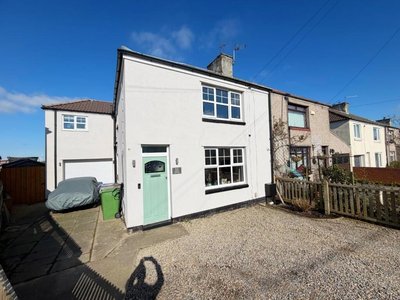
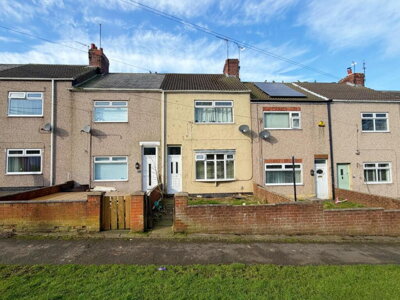
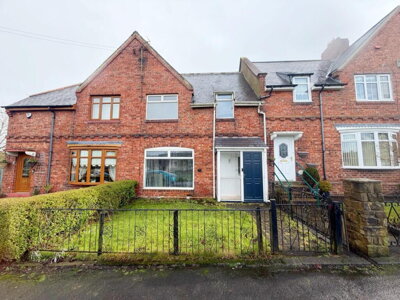
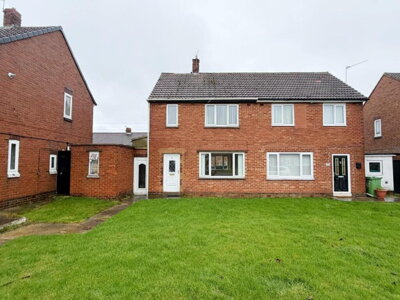
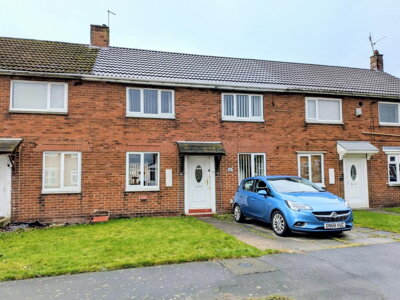
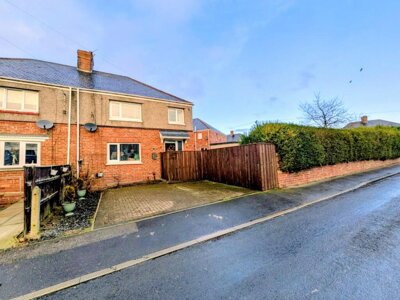
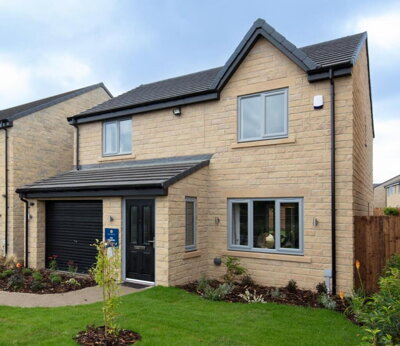
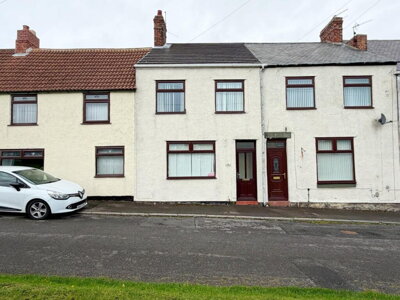
Trimdon comprises several distinct settlements within its parish boundary, including Trimdon Village, Trimdon Colliery, and Trimdon Grange, each with its own character. The population of the broader Trimdon and Thornley ward stands at approximately 6,076 residents across 2,634 households according to the 2021 Census. The area maintains a strong community identity with local amenities including shops, pubs, and primary schools serving daily needs. The historic heart around Trimdon Village features a designated Conservation Area, protecting several listed buildings including the Church of St Mary Magdalene, The Old Rectory, and various farmhouses that reflect the area's agricultural and mining heritage.
Transport connections from Trimdon are convenient for commuters, with the village positioned near the A19 and A1(M) providing straightforward access to Durham, Newcastle, and Teesside. This accessibility makes Trimdon particularly attractive for workers who want village living with easy reach of urban employment centres. The reliable road links mean that buyers considering Trimdon often include commuters who work in larger towns but prefer the quieter lifestyle the village offers.
The area's geology reflects its County Durham location, characterised by Carboniferous rocks including coal measures, with overlaying Permian limestones and Quaternary glacial deposits. Clay content in the glacial till creates potential for shrink-swell ground movement, particularly during extreme weather conditions, though this is generally manageable with modern construction standards. Properties in certain parts of Trimdon may benefit from ground condition surveys, particularly those with large trees nearby or those built on clay-rich soils where foundation movement can occur over time.
Flood risk in Trimdon remains relatively low compared to coastal or riverside locations. The village sits away from major river systems, reducing fluvial flood concerns, and being inland means tidal flooding is not a factor. However, localized surface water flooding can occur during heavy rainfall, particularly in low-lying areas where drainage systems may be overwhelmed. The Environment Agency provides detailed flood risk mapping for those considering properties in specific locations within the village. The legacy of coal mining in the area also warrants consideration, as potential ground stability issues from historical workings may affect some properties, and a mining report is often recommended as part of the purchase process.











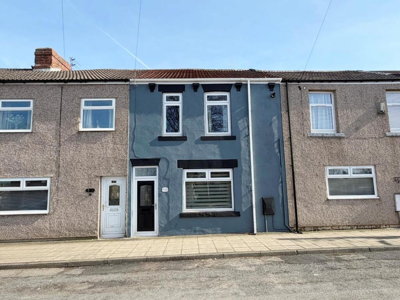
 Robinsons
-10d ago
Robinsons
-10d ago