Trawsfynydd occupies a special position within Gwynedd, sitting within the boundaries of Snowdonia National Park. The village has a population of approximately 970 residents across roughly 450 households, creating a close-knit community feel that many buyers find attractive. The local economy has historically been shaped by agriculture, with traditional farming remaining active in the surrounding rural areas. The presence of Trawsfynydd Power Station, currently undergoing decommissioning, continues to provide employment during this transitional phase, offering stability to the local housing market while the site transitions to its next chapter.
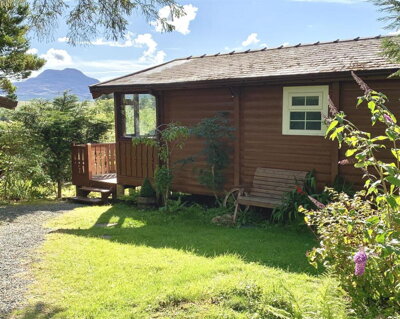
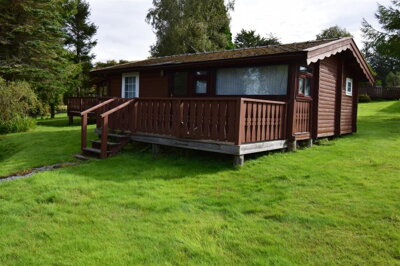
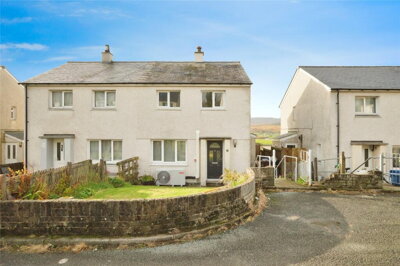
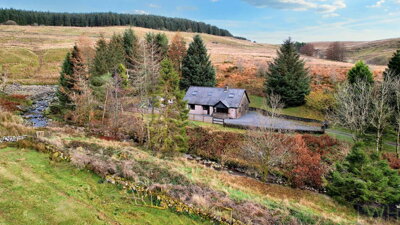
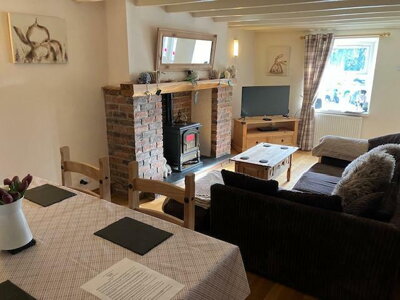
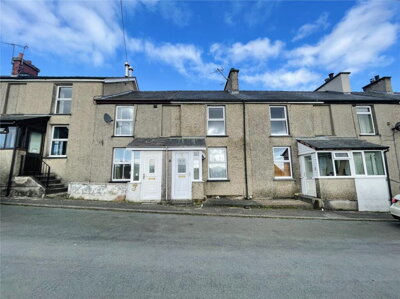
The built environment of Trawsfynydd reflects its heritage and location within a national park. Traditional properties predominantly feature local stone, including the region's famous slate, along with roughcast render and some brickwork in more recent constructions. Many homes date from the late 19th and early 20th centuries, with over 70-80% of the housing stock likely exceeding 50 years old. This age profile means properties often feature solid wall construction, traditional timber floors, and slate roofs, contributing to the village's characterful appearance but also requiring careful consideration from buyers regarding maintenance and renovation needs.
Local amenities in Trawsfynydd include a primary school, village shops, pubs, and community facilities that serve the daily needs of residents. The surrounding countryside offers excellent walking and outdoor activities, with the Rhinogs and the wider Snowdonia mountain range accessible from the village. For families, the village provides a peaceful upbringing with strong community ties, while retirees appreciate the tranquility and the proximity to stunning natural scenery. However, buyers should note that as a rural location, a car remains essential for accessing larger towns like Blaenau Ffestiniog, Porthmadog, and Bala for wider services, hospitals, and secondary education.
The geology of the area, characterised by igneous and metamorphic rocks typical of Snowdonia, generally presents low risk of subsidence from clay soils, though properties near watercourses should consider flood risk. Properties immediately adjacent to Llyn Trawsfynydd, the large reservoir, and smaller local streams may warrant specific flood risk considerations, though the village itself sits at an elevated position. The underlying granite and slate geology provides stable ground conditions for the majority of properties, though as with any older village, individual site investigations may be advisable for properties showing signs of structural movement.










 Beresford Adams
-12d ago
Beresford Adams
-12d ago