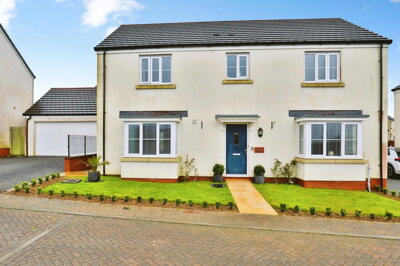
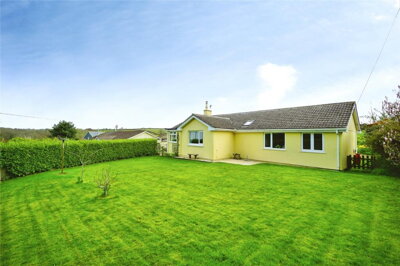
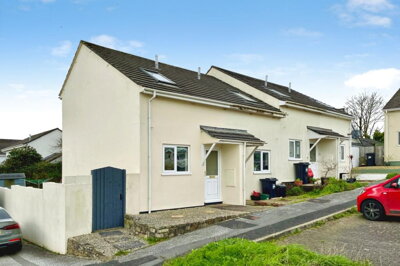
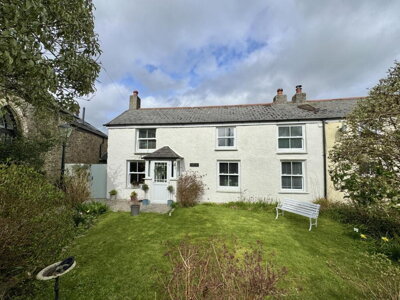
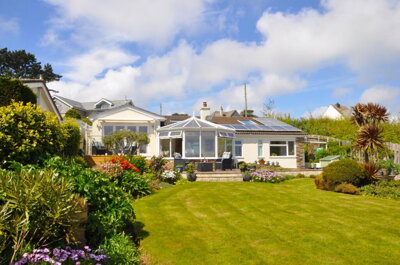
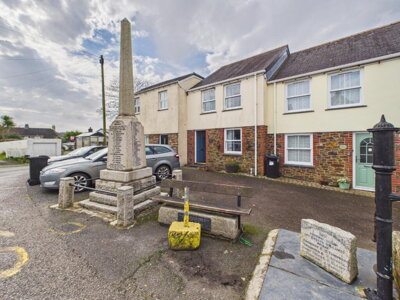
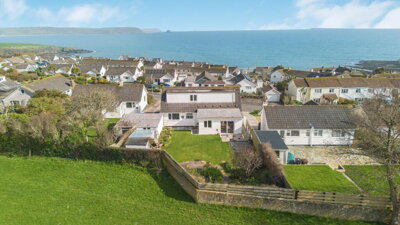
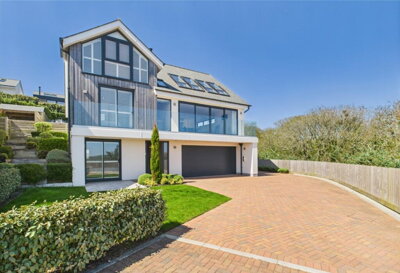
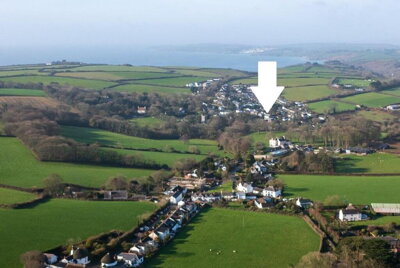
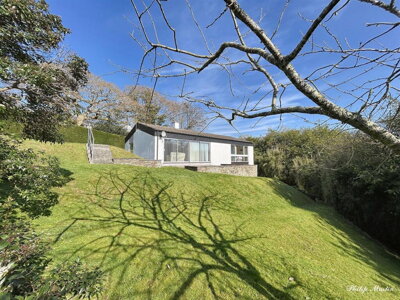
The TR2 postcode encompasses a distinctive Cornwall landscape characterised by the Fal estuary, rolling farmland, and historic villages. Truro, the county's only city, offers comprehensive amenities including the Royal Cornwall Hospital, Truro College, multiple supermarkets, and a thriving cultural scene with theatres and restaurants. The surrounding villages of St Mawes, famous for its harbour and coastal walks, Probus with its local services, and Mevagissey fishing port each contribute to the area's diverse character and appeal to different buyer demographics.
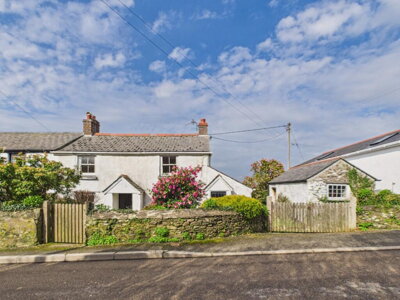
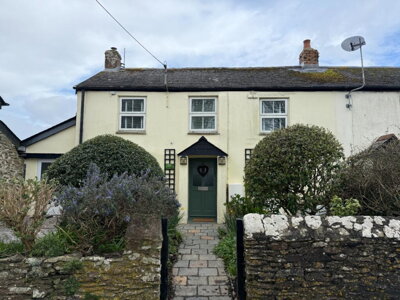
Geology and building materials in TR2 reflect Cornwall's ancient geological heritage. Properties are predominantly constructed from locally sourced granite, valued for its durability and weather resistance, with slate roofs characteristic of the region. Traditional cob construction, using clay, sand, and straw mixtures, appears in older cottages, offering excellent insulation but requiring specialist knowledge for maintenance and renovation. The underlying geology includes igneous rocks and clay-rich soils, which can present shrink-swell risks affecting foundations, particularly in areas with variable moisture levels.
Flood risk awareness is important for property owners in TR2, with DEFRA data indicating approximately one in six properties in Cornwall faces some flood risk. The Fal estuary and coastal areas around St Mawes experience tidal influences, while valley zones can see surface water and groundwater flooding during periods of heavy rainfall. New developments incorporate Sustainable Drainage Systems to manage surface water, and prospective buyers should consider flood risk when purchasing in lower-lying areas. Cornwall Council maintains detailed flood mapping to support informed decision-making.
Conservation designation protects much of TR2's architectural heritage, with 145 Conservation Areas across Cornwall preserving historical character. The area boasts significant concentrations of Listed Buildings, with Cornwall holding over 12,600 nationally. Properties in conservation areas or with listed status require specialist consideration during sale, often benefiting from the expertise of agents experienced in heritage property marketing. These designations can limit permitted developments but also protect property values by maintaining neighbourhood character.










 H Tiddy
-8d ago
H Tiddy
-8d ago