Crowborough, the principal town within TN6, has a population of approximately 21,971 residents across 9,200 households according to the 2021 Census. The town sits on the Tunbridge Wells Sand Formation, characterised by sandstone, siltstone, and clay underlying the area. This geological composition brings specific considerations for property owners, as the clay content creates a moderate to high shrink-swell risk, particularly for properties with mature trees nearby. Subsidence claims, while not widespread, are more common here than in areas with more stable ground conditions, and prospective buyers should factor this into their property surveys.
The local environment includes several conservation areas, most notably the Crowborough Hill Conservation Area, which protects the special architectural and historic character of certain neighbourhoods. Numerous Grade II listed buildings add to the area's heritage appeal but also bring planning constraints for owners wishing to extend or alter their properties. Flood risk in TN6 is primarily from surface water and river sources such as the River Rother and its tributaries, rather than coastal flooding given the inland location. Properties in low-lying areas near the river should have flood risk assessments during the survey process.
Transport links from Crowborough are a major selling point for commuters, with the railway station providing regular services to London Bridge and Victoria via surrounding towns. The A26 road connects the town to Tunbridge Wells and Lewes, while the broader South East road network provides access to the motorway network. Local amenities include a range of supermarkets, independent shops, schools at both primary and secondary levels, and healthcare facilities, making Crowborough a self-sufficient community rather than a purely dormitory town. Crowborough has several well-regarded primary schools including St Mary's Primary and Sacred Heart Catholic Primary, with secondary options like Crowborough Beacon Academy serving the area.
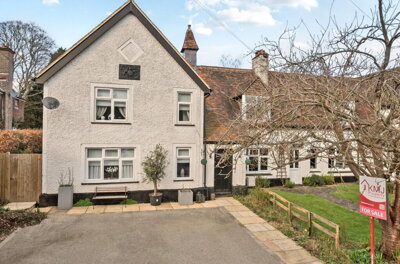
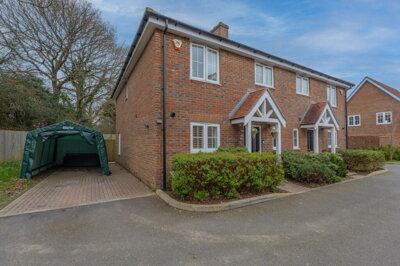
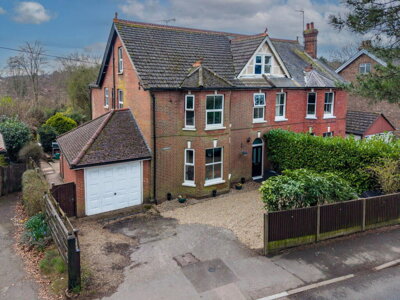
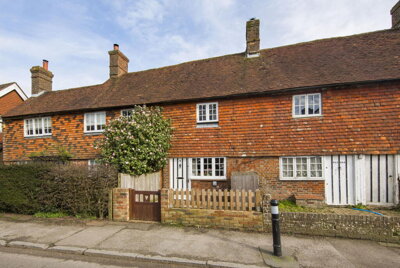
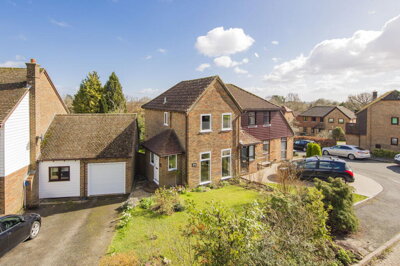
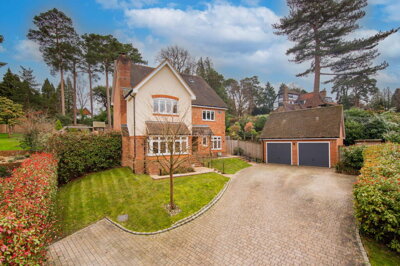
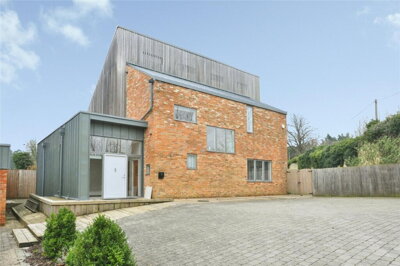
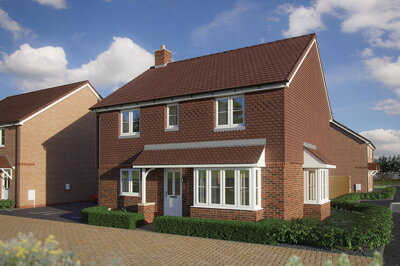
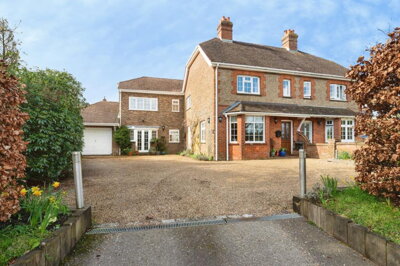
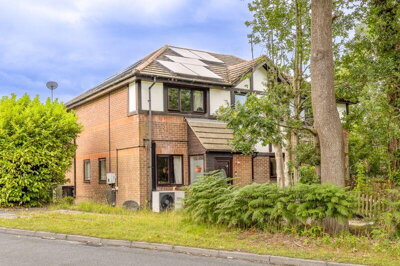
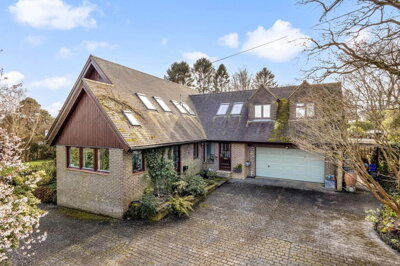
The housing stock in TN6 reflects its development history, with significant proportions built in different eras. Pre-1919 properties often feature solid brick construction with traditional slate roofs and timber sash windows, while inter-war homes (1919-1945) brought cavity wall construction and more modern designs. Post-war properties (1945-1980) dominate certain residential areas with brick and render finishes, and contemporary developments add modern specifications to the mix. Our surveyors regularly encounter all these construction types, and each brings specific defect patterns that experienced local inspectors understand intimately.










 Wood & Pilcher
-6d ago
Wood & Pilcher
-6d ago