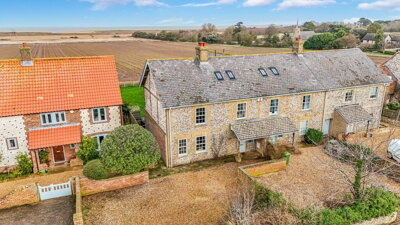
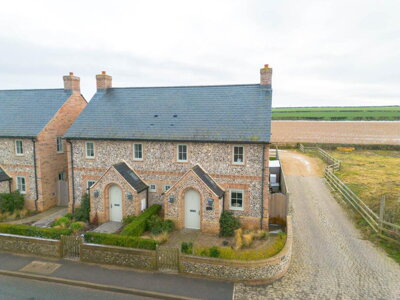
Titchwell sits on the North Norfolk coast, approximately three miles east of Brancaster and a similar distance west of Thornham. The village is best known as the location of RSPB Titchwell Marsh, one of Norfolk's premier nature reserves, which attracts over 137,000 visitors annually according to historical surveys. This significant tourism presence shapes the local economy, supporting hotels including Briarfields and Titchwell Manor, along with various hospitality and retail businesses that cater to visitors drawn by birdwatching and coastal walks. The presence of these visitor attractions makes Titchwell an attractive location for holiday let investments, which significantly influences the local property market dynamics.
The geological landscape beneath Titchwell consists of Till, Devensian superficial deposits sitting atop chalk bedrock from the Lewes Nodular Chalk Formation. This chalk geology is typical of North Norfolk and creates free-draining conditions, though the presence of clay-rich till in some areas can bring shrink-swell considerations for older properties. The village sits on a principal aquifer, reflecting the chalk geology that characterizes much of the Norfolk coast. Titchwell Parish Pit contains flinty chalk with marl seams, evidence of the historical extraction that has shaped parts of the village. Properties in this area may require specific structural considerations due to these varying ground conditions.
Flood risk is a significant consideration for property owners in Titchwell. The village faces genuine coastal flood risk from storm surges and tidal events, with the North Norfolk coast from Thornham to Titchwell designated as a Flood Warning Area. The RSPB has undertaken urgent repairs to stabilise eroding salt marsh banks at Titchwell Marsh, highlighting the ongoing challenges of coastal erosion and sea-level rise affecting this stretch of coastline. Norfolk County Council's Preliminary Flood Risk Assessment acknowledges a high risk of flooding from local sources across the county, particularly from surface water. Any property purchase in Titchwell should factor in these flood considerations, and a thorough RICS Level 2 Survey is strongly recommended to assess any potential issues.
The built environment reflects Titchwell's historic character. The Grade I listed Church of St Mary features an Anglo-Saxon round tower dating to the 12th century, making it one of the oldest churches in the area. The Village Cross is Grade II* listed and dates to the 15th century, while the War Memorial carries Grade II designation. These historic buildings, combined with the village's location within the North Norfolk Coast Site of Special Scientific Interest, create a protected environment where development is carefully controlled. The former chalk pit on the village edge was used in Roman times and now functions as a small nature reserve, showcasing the long history of human activity in this area.










 Jackson-Stops
-11d ago
Jackson-Stops
-11d ago