Tilshead is a traditional Wiltshire village nestled on Salisbury Plain, characterised by its rural setting, historic architecture, and strong community spirit. The village falls entirely within a designated Conservation Area, which protects the special architectural and historic interest of the built environment. Several properties hold Grade II listing status, including the Church of St Thomas a Becket and various historic cottages and farmhouses, reflecting the village's heritage dating back centuries.
The local geology consists predominantly of chalk bedrock, typical of Salisbury Plain, which generally presents a low shrink-swell risk for property foundations. However, superficial deposits of clay or loamy soils overlying the chalk can introduce some localised ground movement concerns, particularly in areas with mature trees or where drainage is poor. Potential buyers should be aware that surface water and groundwater flooding represent the primary environmental risks, with the chalk landscape sometimes leading to groundwater emergence during periods of heavy rainfall.
The local economy revolves around agriculture, with farming operations in the surrounding area, alongside significant employment related to the Ministry of Defence training grounds on Salisbury Plain. Many residents commute to larger towns including Salisbury, Warminster, and Andover for work, benefiting from the A36 and A303 trunk roads that provide connectivity across the region. Local services include a village shop, public house, and community facilities, with more comprehensive amenities available in nearby Amesbury or Salisbury.
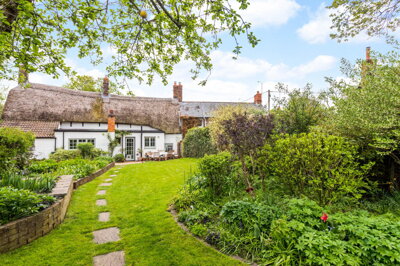
The housing stock reflects the village's age and character, with a high proportion of properties dating from the pre-1919 period, particularly in the historic core around the church and village green. These older properties often feature traditional construction methods including solid walls, thatched or slate roofs, and original timber windows. Modern development has been limited, meaning newer properties constructed post-1980 represent a smaller portion of the market, though they offer contemporary standards of insulation and heating that older homes may lack.











 Hamptons
-87d ago
Hamptons
-87d ago