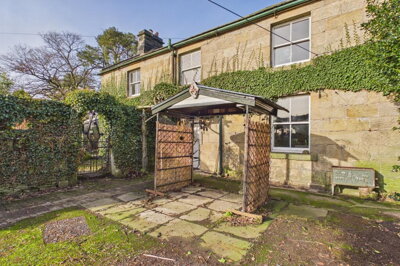
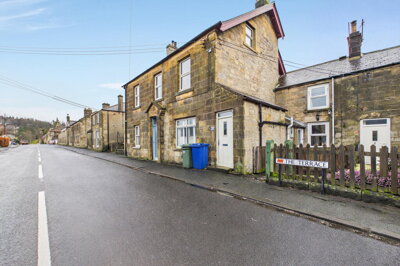
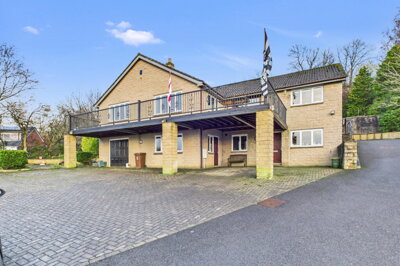
Given the mix of property ages in Thropton, buyers should be aware of common defects that frequently affect the local housing stock. Damp problems are particularly prevalent in older stone properties, where rising damp can occur if existing damp-proof courses have failed or were never installed. Penetrating damp often affects properties with degraded pointing, damaged flashings, or porous external walls, especially during Northumberland's wet winters. Condensation is common in properties with inadequate ventilation, particularly in newer builds where air-tightness standards are higher but mechanical ventilation may be insufficient.
Roof condition is another critical area requiring inspection, as many properties in Thropton feature older roof coverings that may be approaching the end of their serviceable life. Slate roofs, while durable, can suffer from cracked or slipped slates, deteriorating leadwork, and timber decay in rafters and battens. Tile roofs may experience similar issues with broken or missing tiles allowing water penetration. Given the age of many properties, timber defects such as woodworm, wet rot, and dry rot are commonly identified in structural timbers, particularly in areas with persistent damp or poor ventilation such as roof spaces, sub-floor areas, and external joinery.
Outdated services represent a significant consideration for buyers in Thropton, as many traditional properties will have electrical wiring, plumbing, and heating systems that predated current regulations. Electrical installations may lack adequate earthing or have distribution boards that do not meet modern standards. Plumbing systems may use galvanised steel pipes that have corroded internally, affecting water pressure and quality. Heating systems, particularly those relying on older boilers or solid fuel aga cookers, may be inefficient by modern standards. A RICS Level 2 Survey is particularly valuable for identifying these issues before completion, allowing buyers to negotiate repairs or price adjustments with sellers.










 Exp UK
-11d ago
Exp UK
-11d ago