Thornage nestles in the heart of North Norfolk, a picturesque village renowned for its unspoiled countryside and rich historical heritage. The village features several notable listed buildings, including the Grade I listed Church of St Andrew, which anchors the historic core of the settlement. Thornage Hall and various traditional cottages hold Grade II listed status, reflecting the architectural significance that pervades this rural community and contributes to its enduring appeal.
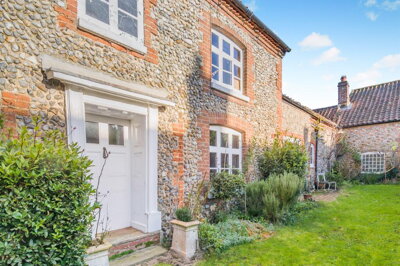
The built environment of Thornage showcases traditional Norfolk construction methods. Properties in the village commonly feature flint walls, red brick, and gault brick, with render finishes on some period cottages. These local building materials reflect the geological resources available in the region and contribute to the distinctive character that makes Thornage properties so desirable. Many homes incorporate traditional timber frames and thatched or slate roofs that require specific maintenance knowledge.
The geology of Thornage and surrounding North Norfolk region comprises predominantly chalk overlain by glacial tills, also known as boulder clay, along with sands and gravels. This geological composition presents important considerations for property owners, as clay-rich soils can pose shrink-swell risks that may affect foundations, particularly during periods of extreme weather. Prospective buyers should factor this into their considerations when purchasing period properties in the area, and we always recommend a RICS Level 2 Survey to assess any foundation concerns.
While Thornage sits inland away from the coast, flood risk should not be dismissed entirely. Surface water flooding and fluvial flooding from smaller watercourses remain potential concerns across parts of Norfolk, and specific site surveys should address drainage and flood risk for any property purchase. The village's positioning away from coastal erosion risks is a positive factor for long-term property investment. Our recommended surveyors understand these local ground conditions and can identify any potential issues specific to the boulder clay deposits.
The local economy in Thornage and the broader North Norfolk district is characterized by agriculture, tourism, and small local businesses. Many residents commute to larger market towns such as Holt and Fakenham for employment, while others work remotely, taking advantage of the village's tranquil setting while maintaining professional careers. This blend of rural lifestyle with connectivity to larger towns makes Thornage attractive to professionals seeking a countryside base. The proximity to Holt, just a short drive away, provides access to local services, schools, and amenities while maintaining the village's peaceful atmosphere.










 William H. Brown Select
-95d ago
William H. Brown Select
-95d ago






























