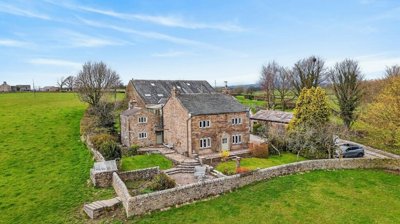
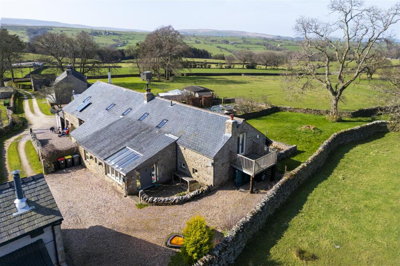
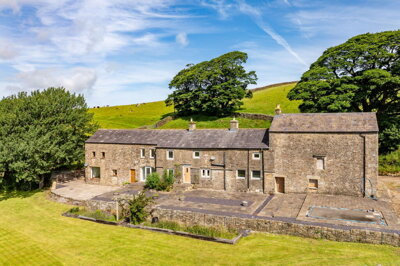
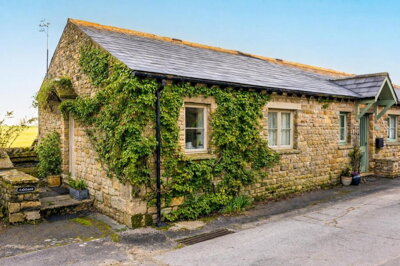
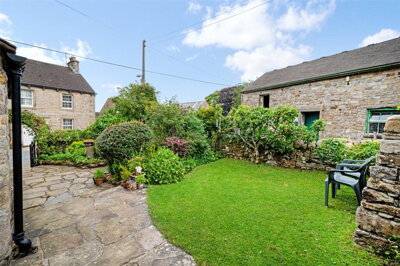
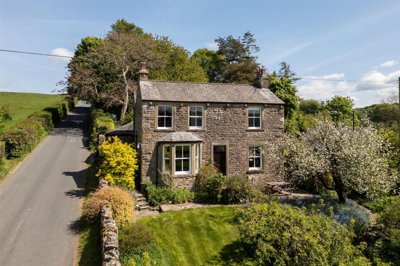
Tatham is a small but historically rich parish nestled in the rolling Lancashire countryside, with a population of 624 residents across 247 households according to the 2021 Census. The village and surrounding area are characterised by their agricultural heritage, with several listed buildings including farmhouses, barns, and the Church of St James scattered throughout the parish. Tatham Fells represents the more open, elevated land within the parish, offering panoramic views across to the Howgill Fells and the Forest of Bowland Area of Outstanding Natural Beauty, which lies just beyond the village boundaries.
The local geology presents important considerations for property owners and buyers. The wider Lancashire area, including Tatham, features glacial tills, sandstones, and limestones, with clay soils present in certain localities. These clay soils can create moderate shrink-swell risks, particularly where vegetation or trees draw moisture from the ground. Properties in areas with higher clay content may experience ground movement during dry spells, potentially affecting foundations. A RICS Level 2 Survey can identify any signs of subsidence or heave that might be related to these ground conditions.
Flood risk is another consideration specific to the Tatham area. The River Wenning and its tributaries flow through the parish, meaning properties immediately adjacent to these watercourses carry elevated flood risk. Surface water flooding can also occur in low-lying areas, particularly after periods of heavy rainfall. Prospective buyers should request flood risk assessments as part of their due diligence, and any survey should thoroughly examine the property's drainage systems and proximity to water courses.
The predominantly agricultural economy of Tatham means local employment centres around farming, small businesses, and services in nearby towns like Bentham and Kirkby Lonsdale. However, the scenic rural environment and proximity to the Forest of Bowland AONB attract buyers seeking a rural lifestyle, which supports demand for larger detached properties even in a modest-sized village. This demographic typically includes commuters working in Lancaster, Manchester, or Leeds, who value the village's mainline railway station at Wennington for connectivity.











 Fisher Hopper
-2d ago
Fisher Hopper
-2d ago