Stoulton is a picturesque Worcestershire parish characterised by its scattered settlement pattern and rich agricultural heritage. The village is designated as a Conservation Area, recognised by Wychavon District Council for its special historic and architectural interest. The conservation area boundary has recently been the subject of consultation, with proposals to extend it to encompass more of the historic settlement and surrounding pasture fields that contribute to the village's rural character.
The local geology presents important considerations for property owners. Stoulton parish consists primarily of arable land with clay, gravel, and sand soils, with the clay-rich composition creating potential shrink-swell behaviour that can affect building foundations. This geohazard means buyers should factor in potential ground movement when purchasing properties, particularly older ones with shallower foundations. The village is traversed by the Bow Brook and its tributaries, though overall flood risk remains very low according to Environment Agency assessments.
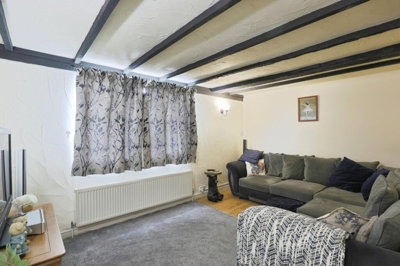
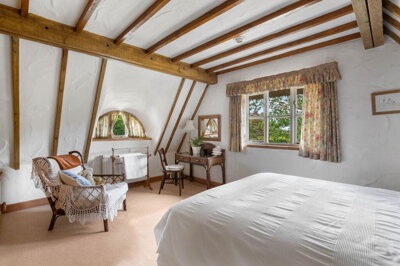
The housing stock reflects the village's historic roots, with many properties constructed between the 16th and 18th centuries using traditional half-timbered and red brick methods. Lower Wolverton Hall, a Grade II* listed early 18th-century mansion, exemplifies the quality of historic architecture in the area. With 20 listed buildings throughout the parish, including the Grade II* Church of St Edmund, King and Martyr, Stoulton offers exceptional period character that appeals to buyers seeking authentic rural England.
Transport connections make Stoulton practical for commuters, with Worcester Parkway station providing rail links to Birmingham and London. The village sits within easy reach of Pershore and Evesham, offering access to local amenities while maintaining its peaceful rural setting. The local economy benefits from Worcestershire's diverse sectors including advanced manufacturing, cyber security, and agricultural technology.
The predominant building materials in Stoulton include traditional half-timbered construction with wattle-and-daub infill, red brick facing, and limestone or sandstone features typical of the region. Roofs predominantly use slate or clay tiles, reflecting the vernacular building traditions of Worcestershire. These construction methods, while architecturally significant, can present challenges for modern buyers unfamiliar with historic building maintenance.










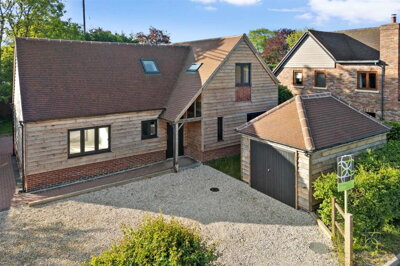 New Build
 Bomford and Coffey
-64d ago
Bomford and Coffey
-64d ago