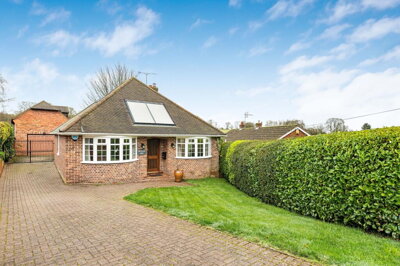
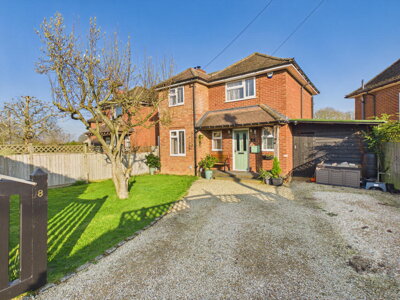
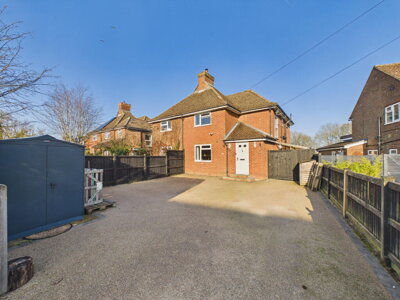
Stokenchurch offers a distinctive character that sets it apart from larger towns in Buckinghamshire. The village centres around a conservation area encompassing parts of Oxford Road and Church Street, where you'll find the Grade I listed St Peter and St Paul's Church alongside various Grade II listed cottages and farmhouses dating from the seventeenth and eighteenth centuries. This historic core gives the village its sense of place, while the surrounding 1940s to 1980s housing developments provide the bulk of the residential stock that serves families and commuters today.
The geography of Stokenchurch creates both opportunities and considerations for property owners. Situated on the Chiltern Hills, the village enjoys elevated positions with attractive views across the valley, but the underlying geology presents specific challenges. The clay-with-flints substrate creates a moderate to high shrink-swell risk, meaning properties with shallow foundations can be susceptible to subsidence or heave, particularly during prolonged dry or wet periods. Surface water flooding can also affect localized dips and valleys during heavy rainfall, due to the impermeable nature of some clay soils and rapid runoff from hillsides.
Demographically, Stokenchurch serves a population of approximately 4,500 residents across roughly 1,800 households. The village functions primarily as a commuter base, with many residents traveling to High Wycombe, London, or Oxford for work via the M40 corridor. Local employment centres on retail, education, and healthcare sectors, while the village benefits from several amenities including shops, pubs, and primary schools. This commuter character significantly influences the housing market, with properties that offer good transport links and home-working infrastructure commanding premium prices.
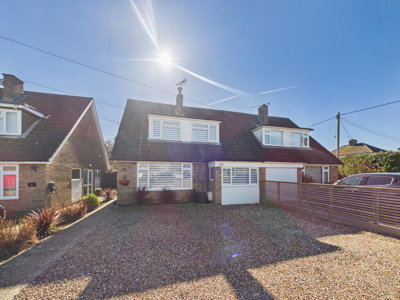
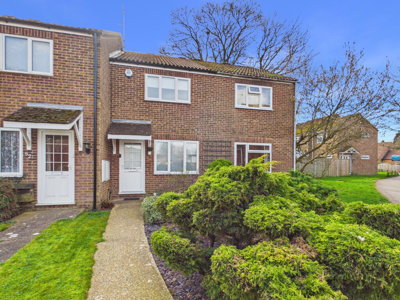
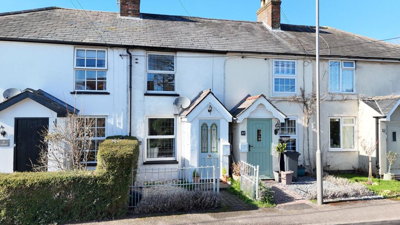
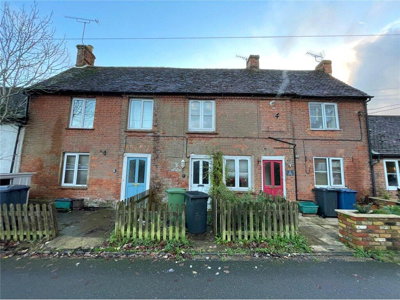
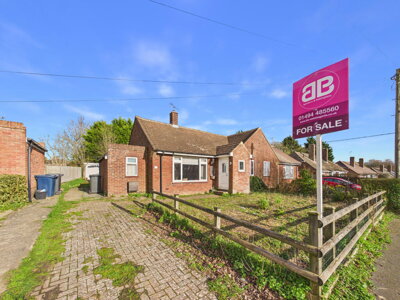
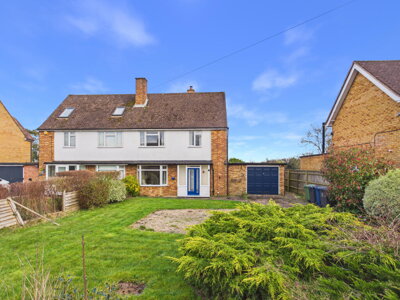
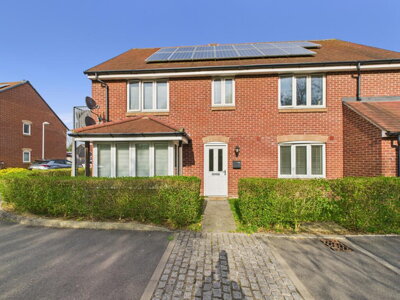
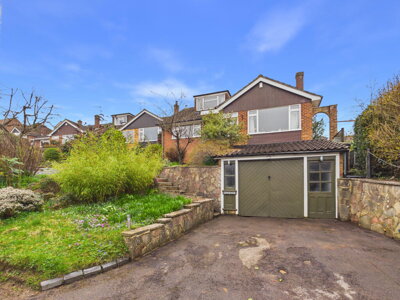
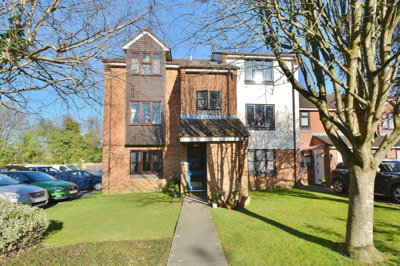
The predominant housing stock reflects the village's evolution from its historic core to modern commuter settlement. Approximately 40% of properties are detached, 30% semi-detached, 20% terraced, and 10% flats. In terms of age, around 15% pre-date 1919, 10% were built between 1919-1945, 40% between 1945-1980 during post-war expansion, and 35% post-1980 as modern developments filled available land. This mix provides options across different price points and buyer preferences.











 White Lion Residential
-7d ago
White Lion Residential
-7d ago