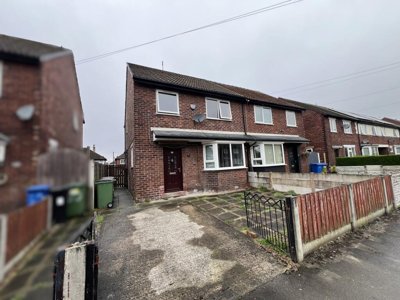
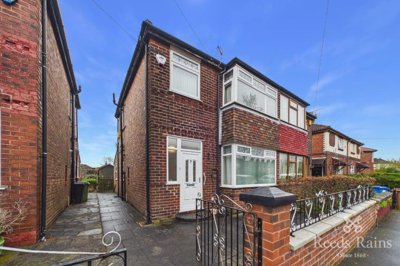
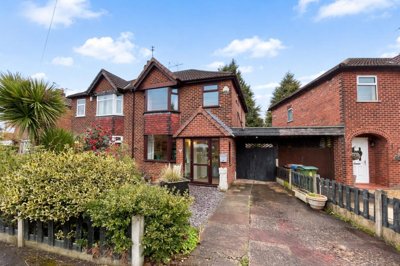
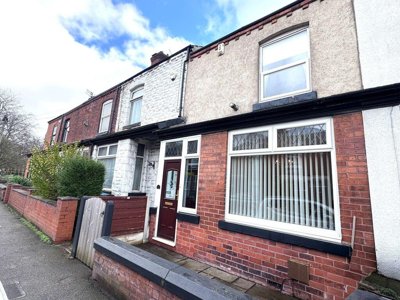
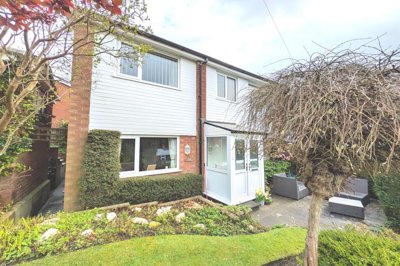
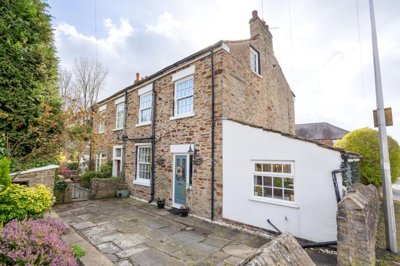
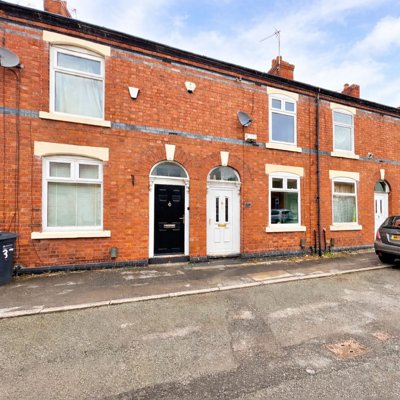
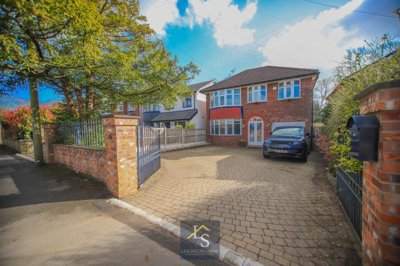
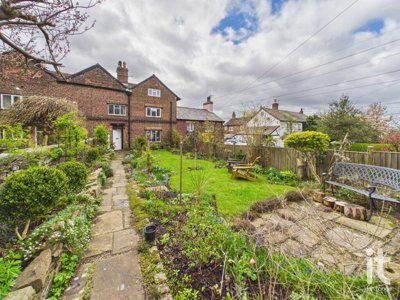
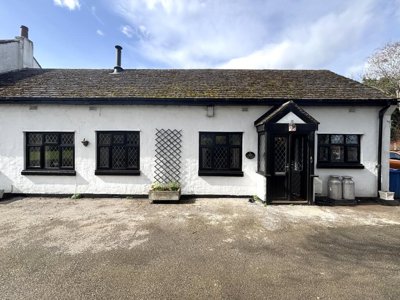
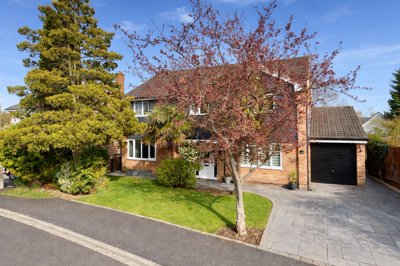
Stockport is a large town in Greater Manchester with a population of approximately 304,000 in the metropolitan borough, making it one of the largest towns in England. The town centre sits at the confluence of the Rivers Tame and Goyt, which flow into the River Mersey, and this riverside location brings both scenic appeal and certain flood considerations. The borough contains 37 conservation areas and 140 listed buildings, including the impressive Grade II* Stockport Town Hall, which features Portland stone on its front elevation. The famous Stockport Viaduct, one of Europe's largest brick-built structures, dominates the townscape and serves as an iconic symbol of the town's railway heritage.
The geology of Stockport varies across the borough, with the town centre and northern areas sitting largely on sandstone, while the southern parts have more clay in the soil composition. This clay presents challenges for homeowners, as shrink-swell potential in clay soils can cause foundation movement during periods of extreme weather. Surface water flooding is a particular concern, with over 29,200 properties at risk in a high-risk surface water event, especially in Cheadle, Gatley, and parts of the town centre around Chestergate and Heaton Lane. Buyers should factor this into their property decisions and consider flood risk when viewing properties in affected areas.
Demographically, Stockport has a highly skilled workforce with over 52% of the working-age population qualified to RQF level 4 or above, exceeding regional averages. Major employers include Music Magpie, BASF, Adidas, and McVities, representing sectors from technology to manufacturing and food production. The town offers excellent transport links, with regular train services to Manchester and beyond from Stockport station, plus easy access to the M60 motorway. The Heatons, Bramhall, and Cheadle are particularly popular residential areas known for their family-friendly atmosphere, good schools, and range of local amenities.










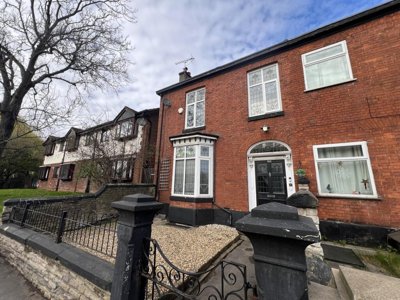
 Edward Mellor LTD
-1d ago
Edward Mellor LTD
-1d ago