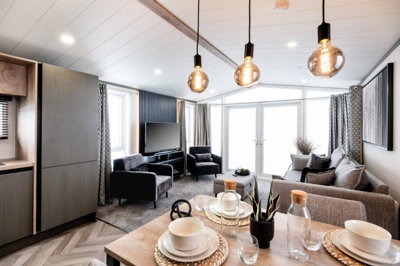
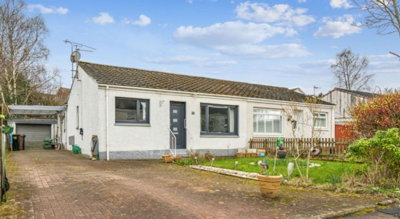
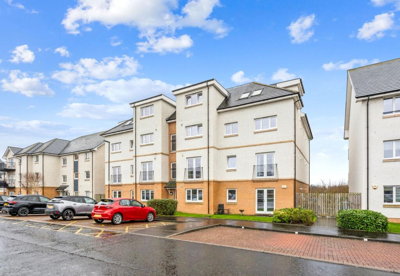
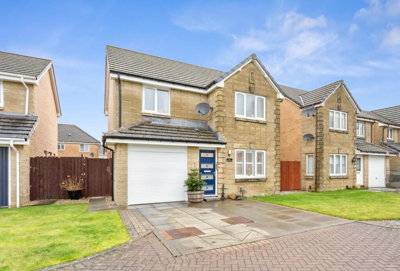
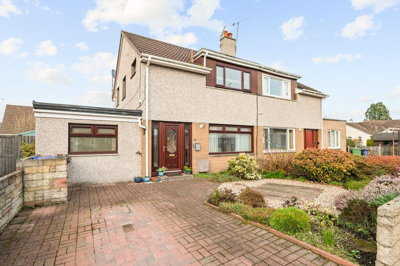
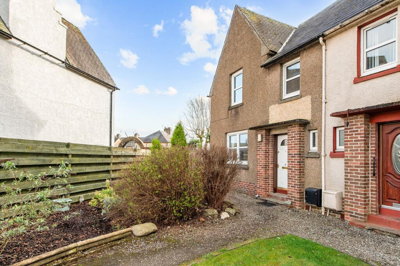
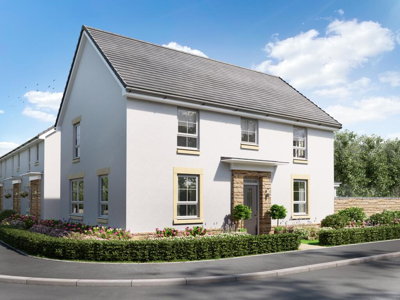
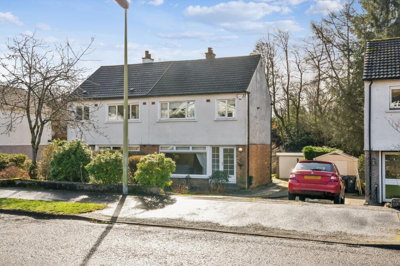
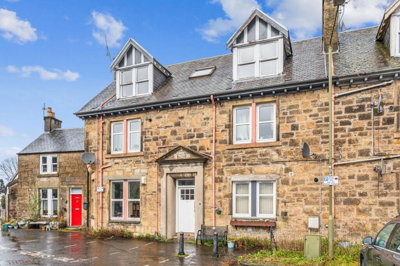
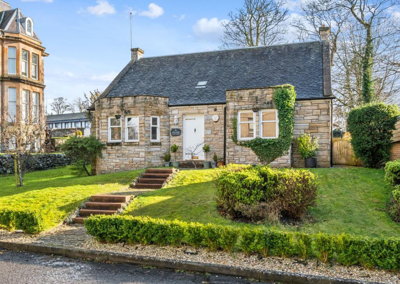
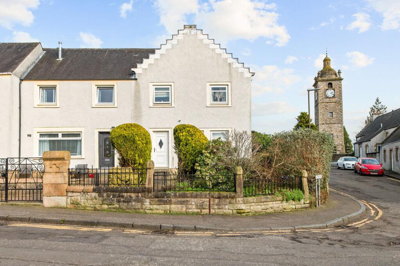
Stirling occupies a unique position in Scotland, acting as the historic gateway between the Highlands and the Lowlands. The city boasts a population of approximately 37,910 within the settlement area, with 43,264 households across the wider council area. The housing stock reflects this rich heritage, with 20.3% detached properties, 25.4% semi-detached, 19.3% terraced, and 34.2% flats. This mix includes everything from medieval sandstone buildings near Stirling Castle to modern developments on the city's outskirts.
The age profile of properties here means that understanding what you're buying matters significantly. Our records show that 66.9% of homes in the Stirling council area were built before 1983, meaning most stock is over 40 years old. This breaks down as 20.3% built pre-1919, 10.1% between 1919-1944, 19.0% from 1945-1964, and 17.5% constructed between 1965-1982. The remaining 33.1% were built from 1983 onwards, with 14.0% completed from 2005 onward.
The geology of Stirling presents specific considerations for property owners. The area features Carboniferous sedimentary rocks, including sandstones, shales, and limestones, with widespread glacial till that can present moderate to high shrink-swell risk in locations with high clay content. Properties near the River Forth and its tributaries face flood risk, particularly in low-lying areas. Surface water flooding is also a concern across the urban area during heavy rainfall, making property surveys particularly valuable in this region.
Stirling's economy is driven by education, with the University of Stirling being a major employer, alongside tourism centred on Stirling Castle and the National Wallace Monument, and the public sector including Stirling Council and NHS Forth Valley. The city's central location makes it attractive for commuters, with excellent rail links to both Glasgow and Edinburgh. The Thistles Shopping Centre provides retail employment, while the mix of independent businesses and national chains creates a vibrant local economy that supports the housing market.
The city centre is a designated Conservation Area with a particularly high concentration of listed buildings, particularly around Stirling Castle, the National Wallace Monument, and numerous historic townhouses and churches. Properties in these areas may have stricter planning controls regarding external alterations, which can affect renovation plans and maintenance costs.










 Debbie Williams Homes
-5d ago
Debbie Williams Homes
-5d ago