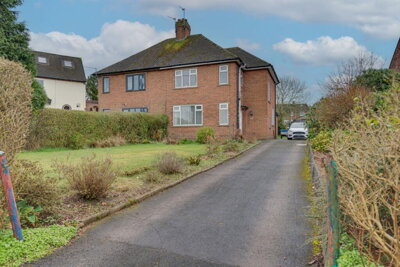
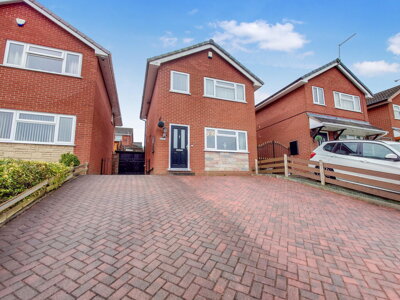
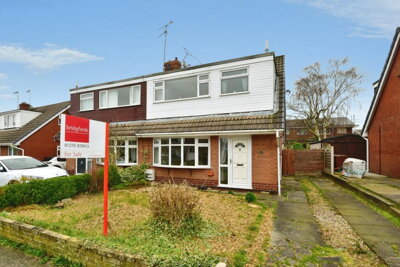
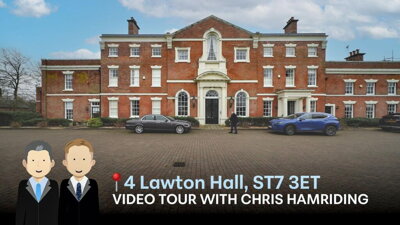
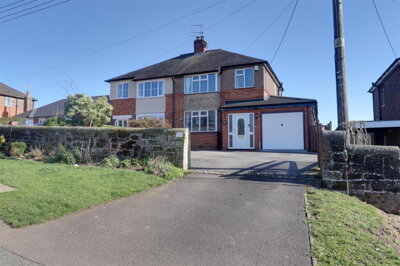
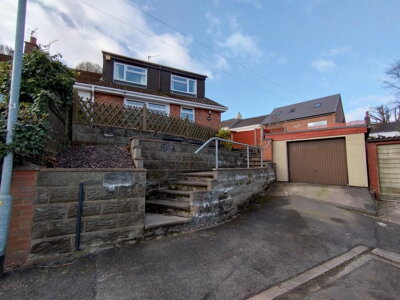
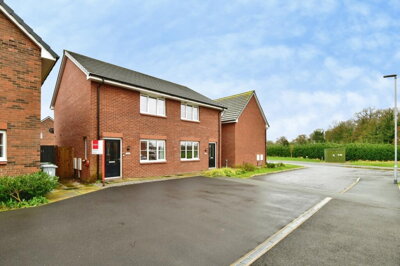
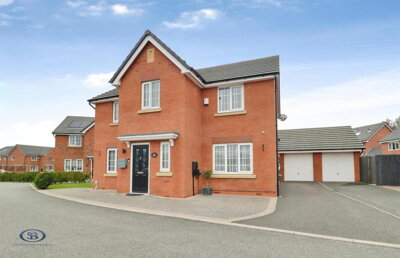
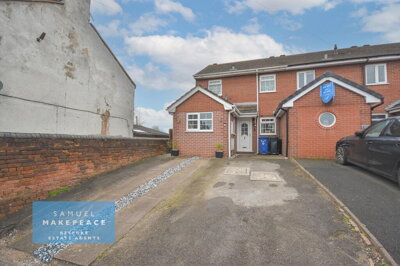
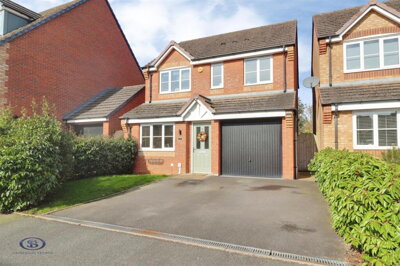
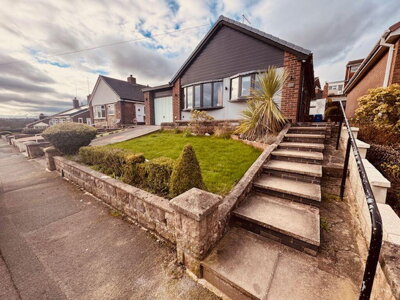
The ST7 postcode encompasses several communities with distinct characters, all situated in North Staffordshire between Stoke-on-Trent and the Cheshire border. Alsager serves as the largest settlement, offering a range of amenities, schools, and good transport connections. The town has grown significantly since the mid-twentieth century and now provides a mix of period properties from the Victorian and Edwardian eras alongside 1960s and 1970s suburban development. The presence of Alsager School and nearby Keele University influences the demographic composition, with strong family ownership and student rental presence.
The geological characteristics of ST7 influence property conditions and construction in the area. The underlying geology includes coal measures comprising mudstone, siltstone, and sandstone, with clay soils presenting shrink-swell risks during periods of drought or heavy rainfall. This clay-rich substrate means properties with shallow foundations, particularly older buildings, can experience structural movement. ST7 falls within the UK coalfields legacy area, where historic mining activity has left potential subsidence risks and unrecorded mine workings. Buyers should consider coal mining risk assessments for properties in this area, particularly for older homes in Kidsgrove and Talke.
The area contains several conservation considerations, with numerous Grade II listed buildings scattered across villages including Kidsgrove, Talke, Talke Pits, Mow Cop, Packmoor, and Newchapel. Mow Cop Castle represents a notable historic landmark, while the Trent and Mersey Canal passes through the area, contributing to its character. Properties in or near these historic zones may require specialist surveys and face restrictions on modifications. Flood risk in ST7 is generally moderate, primarily from surface water rather than river flooding, though properties near watercourses should conduct specific flood risk assessments.










 Chris Hamriding Lettings & Estates
-6d ago
Chris Hamriding Lettings & Estates
-6d ago