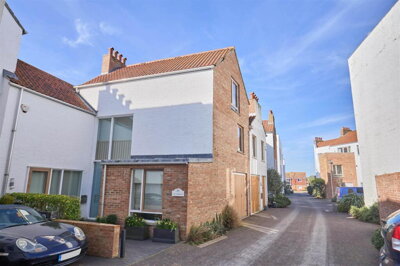
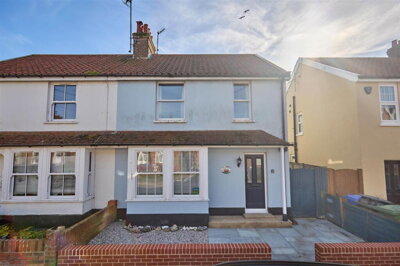
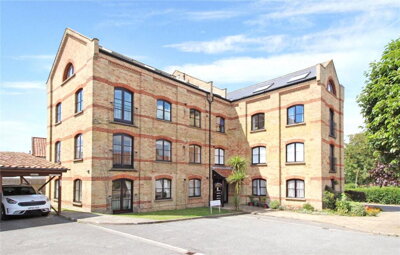
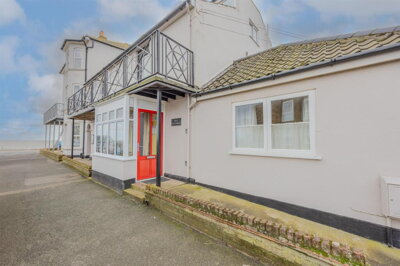
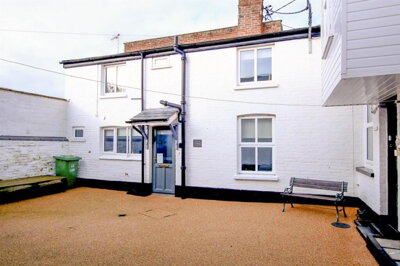
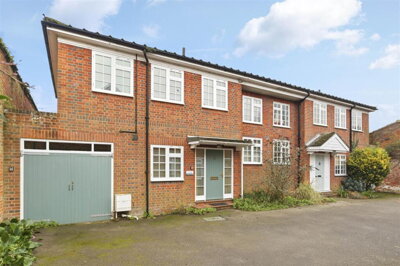
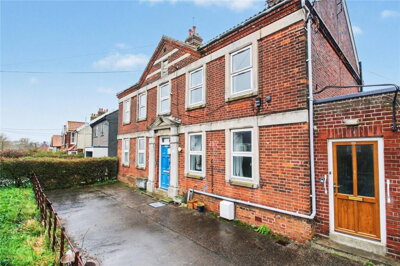
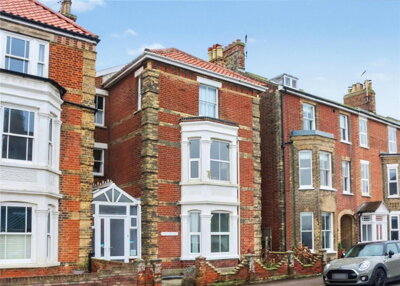
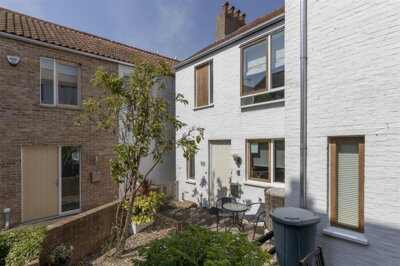
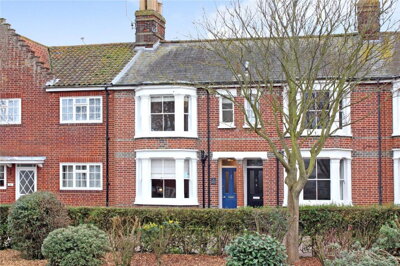
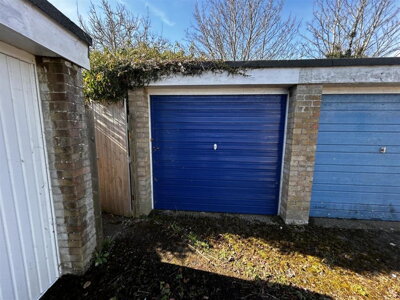
Southwold occupies a distinctive position on the Suffolk coast, combining maritime heritage with contemporary appeal as a thriving tourist destination and retirement hotspot. The town centre features a large Conservation Area encompassing the High Street, Market Place, and surrounding residential streets, protecting the Georgian and Victorian architecture that defines the town's character. A high concentration of Listed Buildings, including many Grade II and some Grade II* properties, reflects this architectural significance, with St Edmund's Church and the iconic lighthouse among the notable landmarks.
The local economy centres on tourism, with hotels, guesthouses, and holiday lets creating significant demand for second homes and rental properties. Adnams Brewery remains a major employer and cultural institution, while local shops, restaurants, and services cater to both the permanent population of approximately 2,000 residents and the substantial seasonal visitor population. This tourism-driven economy influences the housing market, with many properties functioning as holiday lets or second homes, reducing the stock available for permanent residents and affecting affordability.
Transport connections to Southwold include the East Suffolk Line via Darsham or Halesworth stations, providing links to Ipswich and Lowestoft, while the A12 trunk road runs approximately 8 miles inland, connecting the town to Norwich and London via the A14. The geology of the area consists primarily of Crag Group deposits, sands, silts, and clays of Pliocene and Pleistocene age, with underlying London Clay Formation deposits. Properties built on clay-rich soils face moderate to high shrink-swell risk, particularly during periods of extreme wet or dry weather, which can affect foundations and cause structural movement in older properties.











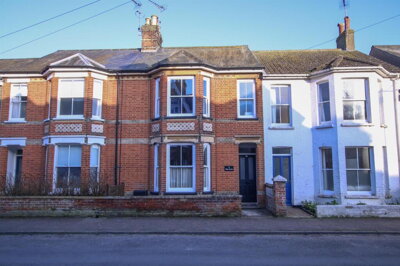
 Flick & Son
-11d ago
Flick & Son
-11d ago