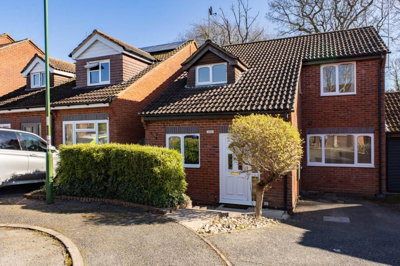
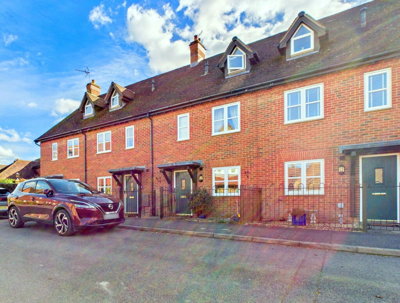
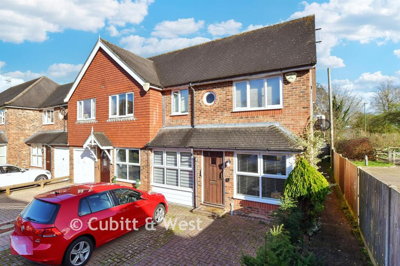
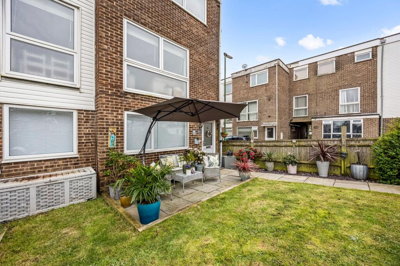
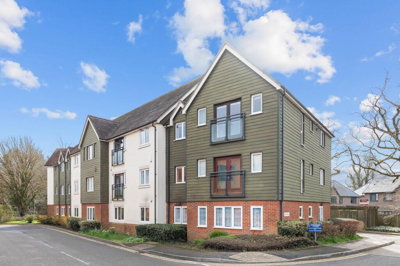
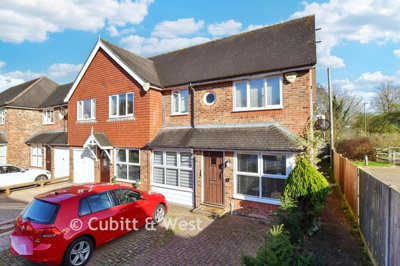
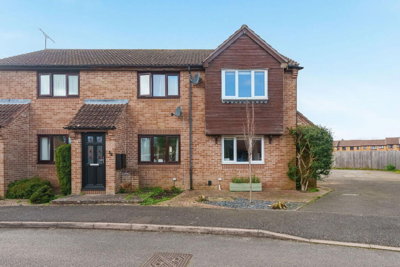
Southwater is a thriving village in the Horsham district of West Sussex with a population of approximately 12,342 across 3,776 households. The built-up area houses around 10,694 residents, with an average household size of 2.4 persons. The village maintains a strong community feel while offering excellent connectivity to Horsham town centre and the broader Sussex region. The village centre underwent significant renewal in 2006, and residents benefit from three traditional public houses, local shops, and amenities.
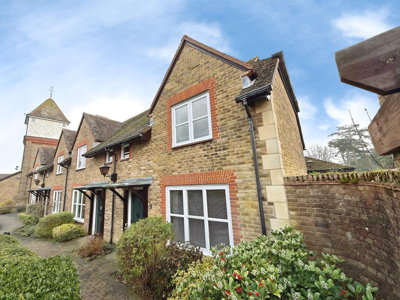
The area boasts a rich architectural heritage with several notable listed buildings. Christ's Hospital, featuring original buildings dating from 1902, holds Grade 2* listed status, while Southwater House, an 1854 former vicarage, is Grade II listed. The Southwater Parish Design Statement documents the presence of timber-framed 13th to 16th-century former open hall houses and 16th to 18th-century chimney houses, many with later Georgian facades. The historic vernacular features half-timber construction with plaster, tile hanging, and weatherboarding.
From a geological perspective, Southwater sits on clay-rich soils typical of the South East, presenting a potential shrink-swell risk that homeowners should be aware of, particularly for older properties. The good news is that current flood risk is very low, with no active flood warnings in the RH13 9XN area. For buyers considering older properties, a RICS Level 2 Survey is particularly valuable given the age of much of the housing stock, including buildings dating back to the 15th century and brick workers' homes from the 1920s to 1950s.
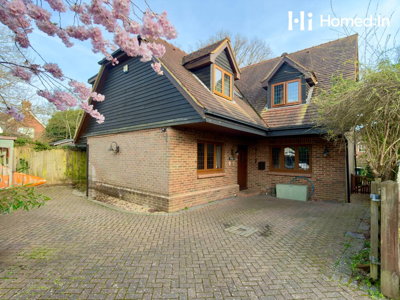
Historically, the local economy was shaped by the brick industry - Southwater brickworks employed 100 men at its peak and produced 18 million bricks annually. This industrial heritage is reflected in the housing stock, with many brick-built workers' cottages still lining Foxfield estate and Church Lane. Today, the village serves primarily as a residential community for commuters to Horsham, Crawley, and Brighton, with excellent transport links via the nearby railway stations.











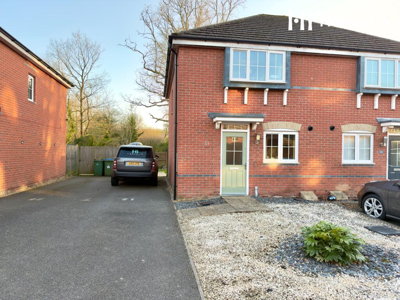
 Homed:In
-7d ago
Homed:In
-7d ago