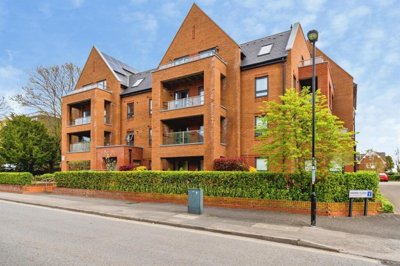
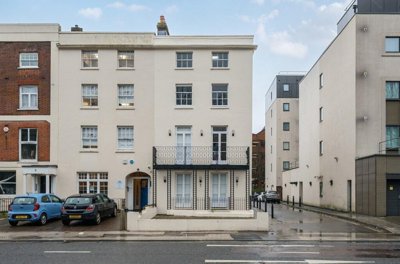
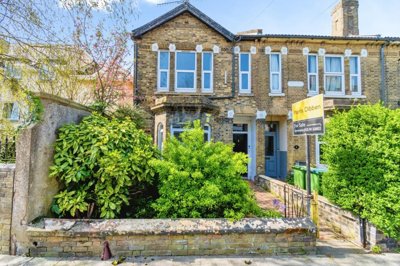
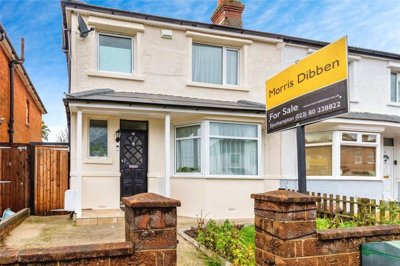
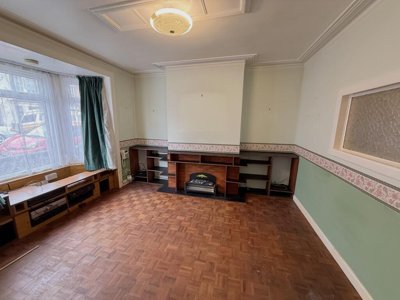
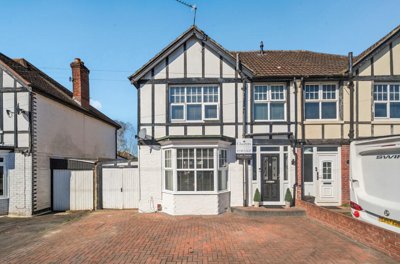
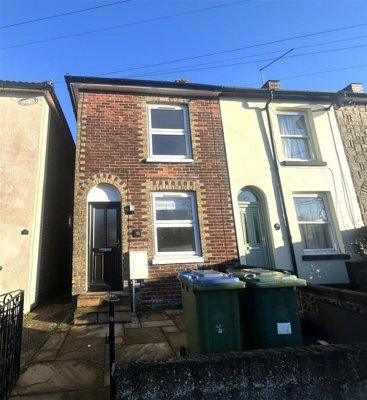
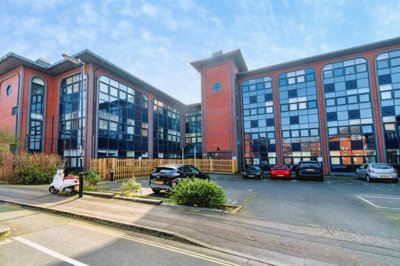
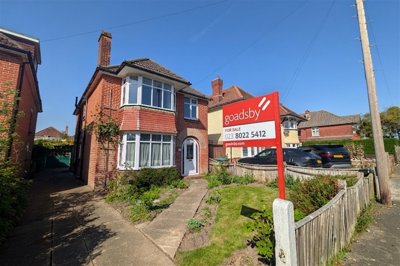
SO15 encompasses several distinct neighbourhoods, each with its own character and appeal. Shirley, located in the western part of the postcode, is known for its Victorian and Edwardian terraced housing, many built with traditional pre-1919 brick construction. This area offers a strong sense of community with local shops, cafes, and the iconic Church of St James, which is a listed building. The Shirley Ward contains 7 listed buildings, reflecting the historical significance of this residential pocket within Southampton. Properties in Shirley typically command premium prices, with period features and proximity to good schools driving demand from families.
The area's geology presents specific considerations for property owners. Many of the pre-1919 brick terraces in SO15 are built on clay soil, which is associated with shrink-swell risk. This means foundations can expand and contract with moisture levels, potentially leading to subsidence issues in properties not properly maintained. Southampton has 13% of properties in Flood Zones 2 and 3, reflecting the city's coastal location and proximity to the River Itchen and River Test. While specific flood risk data for SO15 was not detailed, buyers should factor this into their decision-making process, particularly for properties near the waterfront or in low-lying areas.
Southampton's economy is heavily influenced by its status as a major commercial port and cruise hub, with businesses like DP World Southampton and City Cruise Terminal serving as key employers. The city offers excellent transport links via the M3 and M27 motorways, comprehensive bus services, and Southampton Central railway station providing direct connections to London, Bournemouth, and Portsmouth. The population of SO15 stands at approximately 44,101 residents across roughly 18,155 households, according to the 2021 Census. This combination of employment opportunities, transport connectivity, and residential appeal makes SO15 an attractive location for families, professionals, and investors alike. The area benefits from a diverse economy, with healthcare, education, and retail sectors complementing the port-related employment, creating a robust housing market driven by consistent local demand.










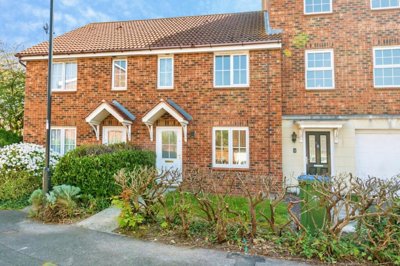
 Morris Dibben
-2d ago
Morris Dibben
-2d ago