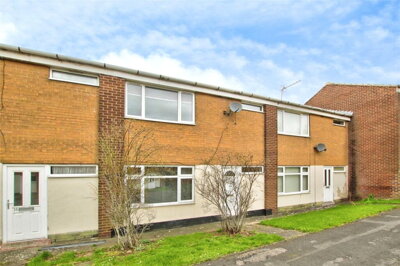
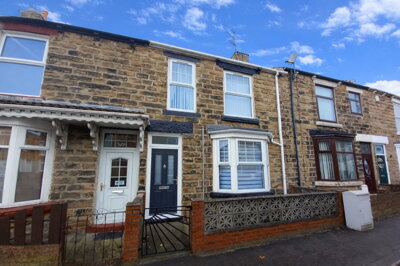
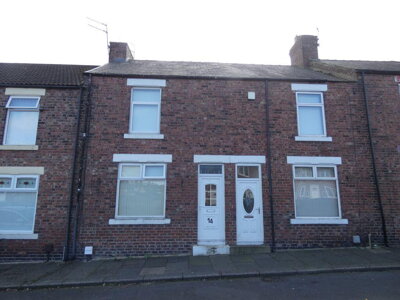
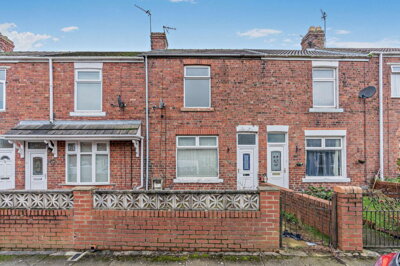
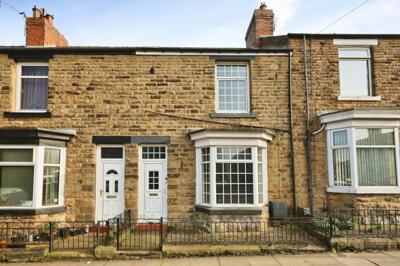
Shildon's identity is deeply connected to its railway heritage, having been founded as a railway town in the 19th century. The town was built around the NER Shildon locomotive works, which employed thousands of workers and shaped the community's development. Today, the National Railway Museum at Shildon, known as Locomotion, continues this legacy as a significant employer and tourist attraction, drawing visitors from across the country and reinforcing the town's place in railway history. The town centre retains much of its Victorian and Edwardian architecture, with red brick terraced houses lining many streets, built originally to house railway workers and their families.
The geology of Shildon and surrounding County Durham consists of Carboniferous rocks including coal measures, sandstones, shales, and limestones, with superficial deposits of glacial till. This geological background means the area has a mining legacy, with properties potentially affected by past coal mining operations. A mining search is recommended for property purchasers in Shildon to identify any potential ground stability issues. The shrink-swell risk from clay soils is generally low to moderate in the area, though site-specific surveys can provide definitive guidance for individual plots.
Demographically, Shildon and the Dene Valley ward has a population of approximately 10,069 residents across 4,500 households. The town offers practical transport connections, with easy access to the A1(M) and main rail lines connecting to Durham, Newcastle, and Middlesbrough. Local amenities include shops, schools, and healthcare facilities, while the nearby towns of Bishop Auckland and Spennymoor provide additional retail and employment opportunities. The conservation area centred on the historic railway works protects the town's unique architectural heritage, with several listed buildings requiring specialist considerations for any alterations or renovations.
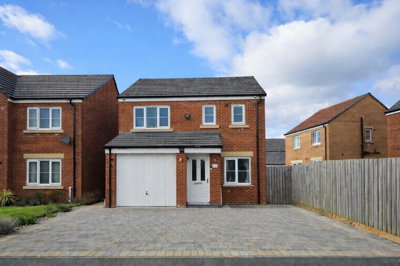
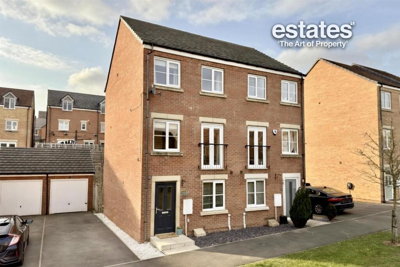
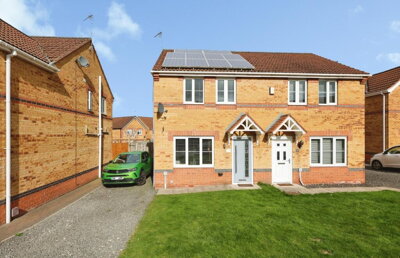
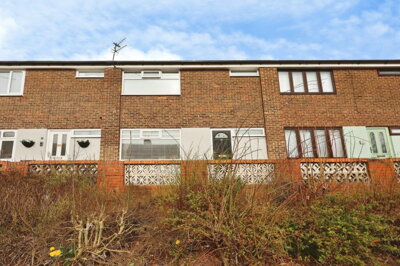
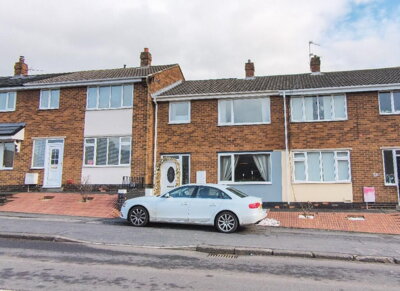
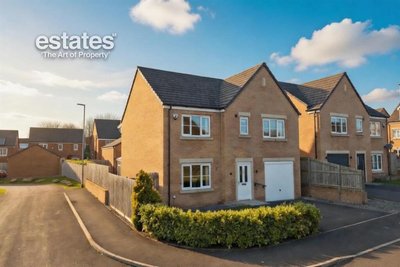
Property age distribution in Shildon shows a significant proportion of housing stock dating from the Victorian and Edwardian periods, particularly the terraced properties that dominate the townscape. Post-war development added council housing estates between 1919-1980, while more recent decades have seen infill developments and the new build estates mentioned earlier. This mix of property ages means buyers should be aware of varying construction standards and potential maintenance requirements depending on when their property was built.











 Venture Properties
-9d ago
Venture Properties
-9d ago