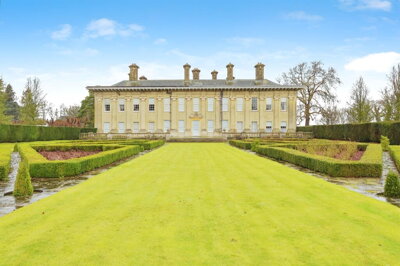
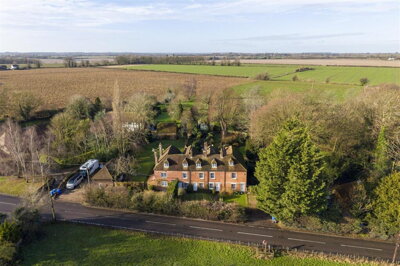
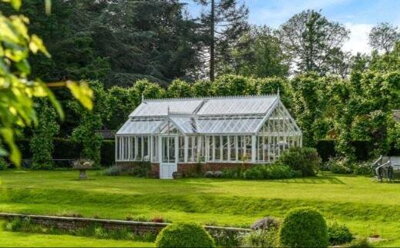
Sheldwich is a small but distinctive village in the Swale district of Kent, situated approximately four miles north of Faversham and within easy reach of the cathedral city of Canterbury. The parish, which includes Badlesmere and Leaveland, had a population of 542 residents across 207 households according to the 2021 Census. The village is characterised by its rural setting, historic buildings, and proximity to the Kent Downs Area of Outstanding Natural Beauty, making it particularly attractive to buyers seeking a peaceful lifestyle while maintaining commutable access to London via Faversham or Ashford International stations.
The geological characteristics of the area influence both property construction and potential buyers' considerations. Sheldwich sits on underlying chalk bedrock typical of the North Downs region, with superficial deposits including Head deposits comprising sands, silts, clays, and gravels overlying the chalk. Clay soils are present, which can contribute to shrink-swell risk for properties with shallow foundations during periods of drought and heavy rainfall. Prospective buyers should be aware that properties in the village, particularly older ones with traditional shallow foundations, may require careful structural monitoring, especially where mature trees are present nearby.
Flood risk in Sheldwich is generally low from rivers and the sea due to the village's inland and elevated position. However, surface water flooding represents a localized concern in certain low-lying areas, particularly where drainage infrastructure may be insufficient during periods of heavy rainfall. The village benefits from its conservation area designation, which encompasses the historic core around St James's Church and Sheldwich Court, helping to preserve the character that makes the area so appealing to prospective buyers. The concentration of listed buildings, including the Grade I listed Church of St James and numerous Grade II listed properties, demonstrates the architectural heritage that contributes to Sheldwich's unique character.
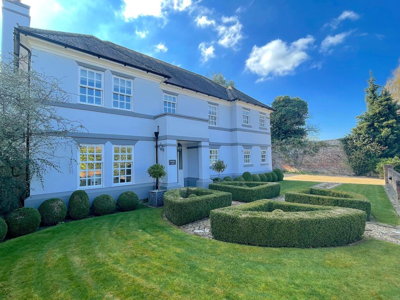
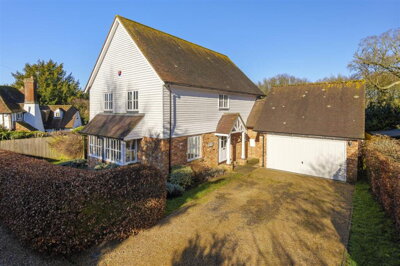
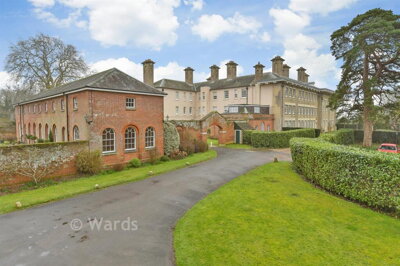
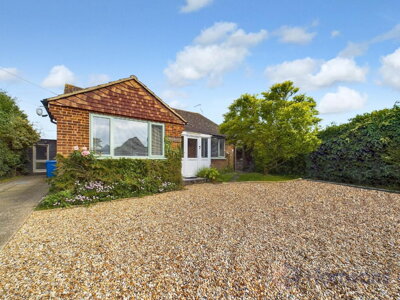
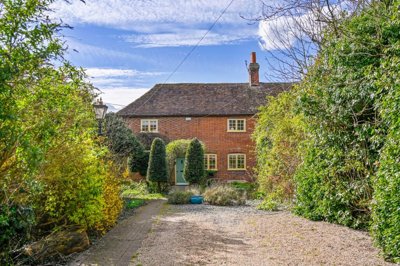
The predominant housing stock in Sheldwich reflects its historic origins, with many properties dating from before 1919 particularly within the village core and surrounding hamlets. These older properties typically feature traditional Kentish construction methods including solid wall construction, timber floor joists, and pitched roofs with tile or slate coverings. You will find red brick, ragstone, and flint used throughout the village, with rendered finishes common on extensions and more modern additions. The inter-war and post-war periods also contributed properties to the local housing stock, though newer developments post-1980 remain less prevalent than older homes.











 Hobbs Parker Estate Agents
-4d ago
Hobbs Parker Estate Agents
-4d ago