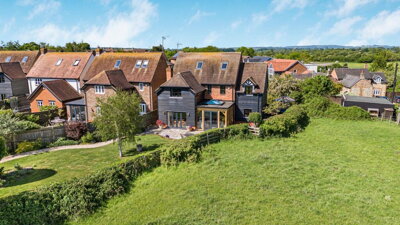
Shabbington is a small village with a population of approximately 538 residents across 204 households, according to the 2021 Census. The village traces its origins back to the Domesday Book, giving it deep historical roots in Buckinghamshire. Its character is defined by period properties, traditional architecture, and a peaceful rural setting that nonetheless offers practical connectivity to larger towns and cities. The Church of St. Mary Magdalene, a Grade II* listed building with medieval origins, dominates the village centre and exemplifies the architectural heritage that attracts buyers to the area. Shabbington Manor, dating to the seventeenth century, adds further to the village's historic character.
The geology of Shabbington and surrounding Buckinghamshire includes areas of clay, which presents potential shrink-swell risks for property foundations, particularly in older buildings with shallower footings. This geological consideration makes professional surveys particularly valuable when purchasing in the village, as movement in clay soils can cause structural issues over time. Additionally, the village's position adjacent to the River Thame means certain properties near the southern boundary face potential river flood risk, though this affects only a minority of homes in the area.
Transport links prove central to Shabbington's appeal for commuters. The village sits approximately 7 miles east of Aylesbury and 12 miles southwest of Oxford, with the M40 motorway providing straightforward access to both destinations. Haddenham and Thame railway station, just a short drive away, offers direct trains to London Marylebone, making the village practical for professionals working in the capital. Local amenities include The Old Fisherman public house, while nearby Long Crendon and Thame provide shops, healthcare facilities, and other everyday services.
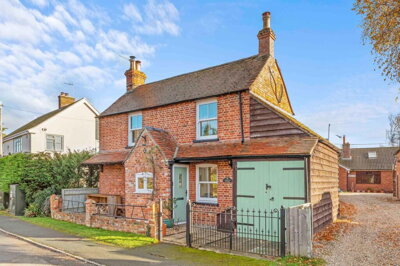
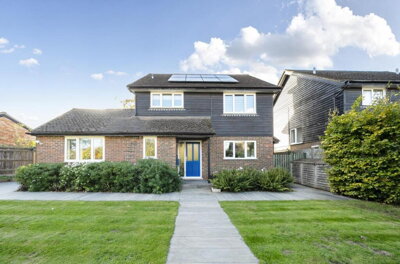
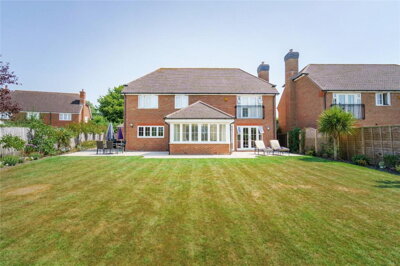
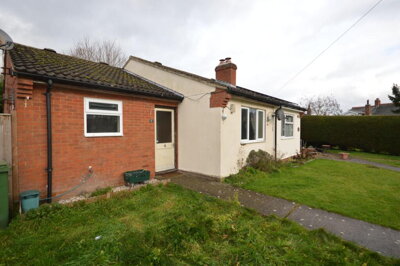
The predominant building materials in Shabbington reflect its Buckinghamshire location and historical character. Traditional cottages often feature local brick, timber frames, and pitched roofs with clay tiles or natural slate. Some historical properties may even retain thatched roofs, though many have been renovated over the years. Modern infill properties typically use contemporary brick and tile construction with cavity wall insulation. This mix of old and new means buyers should consider the age and construction type when purchasing, as older properties may require more maintenance or have outdated electrical and plumbing systems.











 Tim Russ & Co.
-95d ago
Tim Russ & Co.
-95d ago