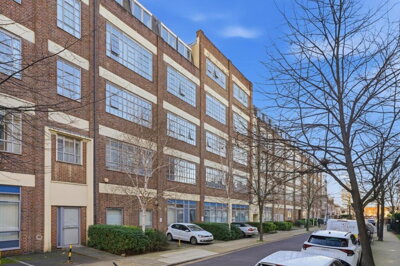
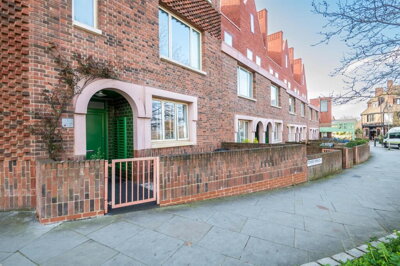
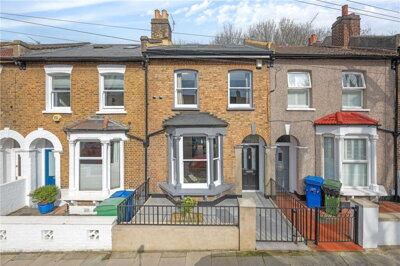
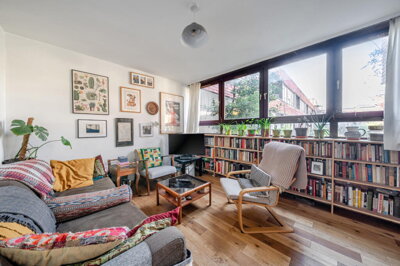
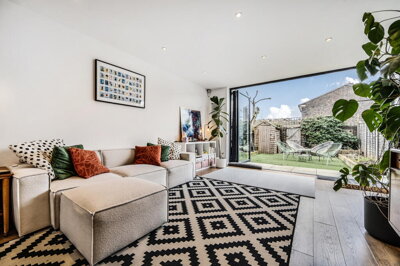
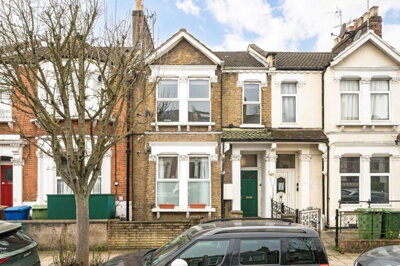
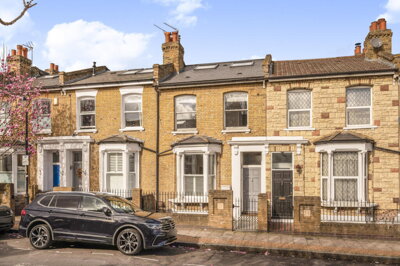
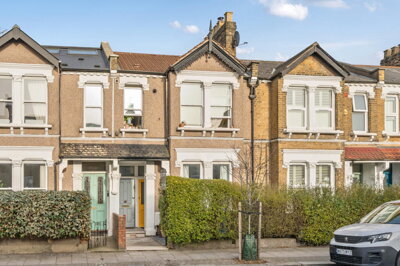
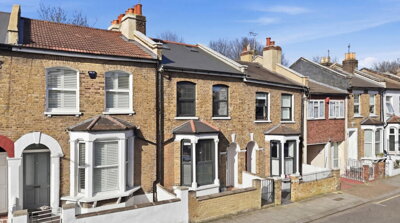
SE15 encompasses the diverse neighbourhoods of Peckham, Nunhead, and parts of Dulwich, each with its own distinct character shaped by Victorian and Edwardian architecture. The area features several protected conservation areas including the Rye Lane Conservation Area, Holly Grove Conservation Area, Nunhead Green Conservation Area, and Hanover Park Conservation Area, reflecting the architectural significance of the housing stock. Many properties are constructed from London stock brick, characteristic of the Victorian era, with slate or clay tile roofs that define the street scene.
The underlying geology of SE15 presents specific considerations for property owners, as the area sits on London Clay which has shrink-swell potential. This clay can expand when wet and contract during dry periods, potentially causing ground movement that affects foundations. Properties with mature trees nearby are particularly susceptible, and surveyors often flag this as a consideration in building surveys. Surface water flooding represents another environmental factor, though fluvial flood risk is generally low given the distance from major waterways.
Transport connectivity is a major draw for SE15 residents, with Peckham Rye and Nunhead stations providing frequent services to London Bridge, Victoria, and Blackfriars. The area sits in Zone 2, making it attractive to commuters while offering significantly better value than central London postcodes. Local amenities include the vibrant Peckham Rye market, independent shops along Rye Lane, and the growing food and drink scene that has transformed former industrial spaces into popular venues. The nearby South London art scene, including the Bussey Building and Peckham Space, adds cultural value that appeals to young professionals and creative industries.
The area has undergone significant regeneration in recent years, with investment flowing into public spaces, transport improvements, and commercial developments. This ongoing evolution means SE15 continues to attract buyers seeking character properties with growth potential, rather than already peak-value locations. Understanding these dynamics helps agents position properties effectively to buyers who value both the established community feel and the area's upward trajectory.










 Huttons & Partners
-6d ago
Huttons & Partners
-6d ago