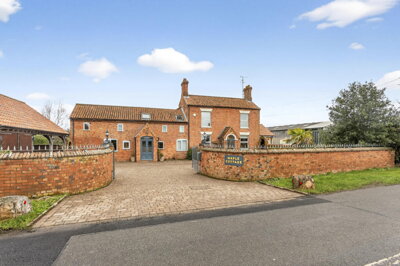
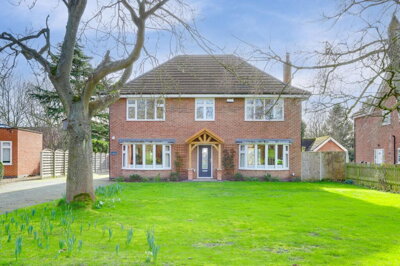
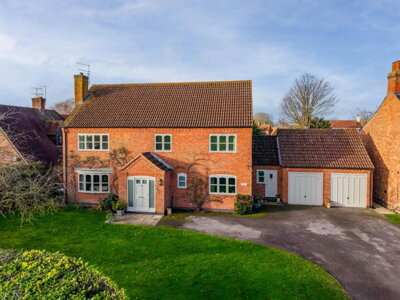
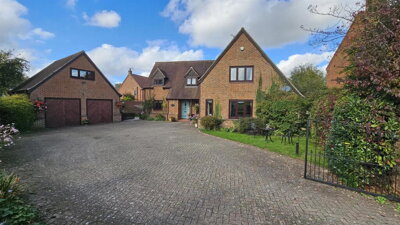
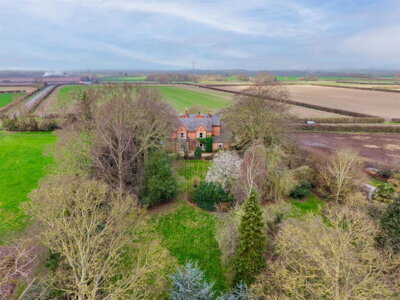
Scarrington is a quintessential Nottinghamshire village nestled within Rushcliffe Borough, characterized by its informally arranged collection of historic buildings, mature trees, and wide grassy verges. The village centre features a unique 15-foot pile of horseshoes outside the Grade II listed Smithy, a distinctive landmark that reflects the area's agricultural heritage. The Church of St John of Beverley, dating from the 13th century with 14th-century tower and spire, stands as a focal point of the community and is one of seven listed buildings within the parish. The conservation area covers the majority of the built-up village, ensuring that new development respects the traditional character of red brick buildings, white-painted brick, stone, and rendered properties.
The local geology presents considerations for property owners, as Nottinghamshire contains clay-rich soils susceptible to shrink-swell behaviour that can cause subsidence or heave. While the highest risk areas are generally in the South East of England, local clay deposits mean that foundations and drainage require attention, particularly in older properties with shallower footings. Many buildings in Scarrington were constructed using traditional methods including Flemish bond and stretcher bond brickwork, with roofs traditionally made from thatch, stone, and clay tiles. These older construction techniques, while historically sound, can present unique challenges during property transactions that buyers should understand.
Flood risk in Scarrington appears limited compared to other parts of Nottinghamshire, though surface water flooding remains a consideration across the East Midlands region. Nottinghamshire County Council, as a Lead Local Flood Authority, manages flood risks from surface water, small watercourses, and groundwater. Surface water flooding is the most common type nationally and can occur miles from watercourses during heavy rainfall. Prospective buyers should arrange appropriate surveys, particularly given the high proportion of properties over 50 years old in this village setting. The majority of Scarrington's housing stock dates from the 18th and 19th centuries, meaning many properties will significantly predate 1919.
Transport links serve the village via the A52 and A46, providing connections to Nottingham, Newark, and Grantham. The nearest railway stations are at Bingham and Aslockton, offering East Midlands services. Local amenities in nearby Bingham include shops, pubs, and primary schools, while secondary education is available in surrounding towns. Rushcliffe district saw its population grow by 7.1% between 2011 and 2021, reflecting the area's continued desirability as a place to live. The Greater Nottingham Strategic Plan to 2041 will guide future development, though Scarrington is not identified as a key settlement for large-scale new housing allocations.











 Richard Watkinson & Partners
-22d ago
Richard Watkinson & Partners
-22d ago