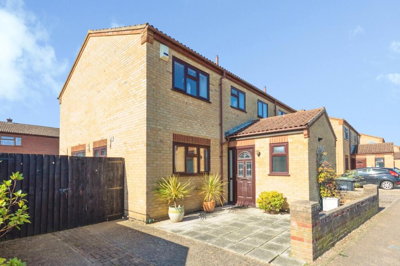
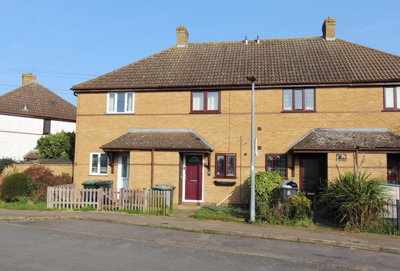
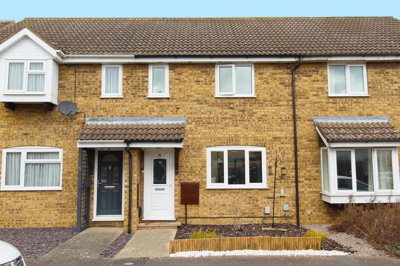
Sandy sits in a favourable position within Central Bedfordshire, offering residents a balance of rural charm and practical connectivity. The town has a population of approximately 12,000-12,500 across roughly 5,000-5,500 households, giving it a compact but thriving community feel. The historic core centres around the High Street and St Swithun's Church, which falls within a designated Conservation Area protecting much of the town's architectural heritage. Several Grade II listed buildings dot the area, including Sandy Place and various historic residential and commercial properties that contribute to the town's character.
The geology underlying Sandy presents important considerations for property buyers. The area sits primarily on Sand and Gravel deposits overlying Gault Clay and Lower Greensand Group, creating a moderate to high shrink-swell potential in certain locations. This clay substrata means properties may be susceptible to subsidence or heave, particularly where large trees are present or during periods of extreme weather. Buyers should factor this into their survey requirements and ensure proper drainage is in place. Parts of Sandy also carry flood risk, particularly areas close to the River Ivel and low-lying spots where surface water flooding can occur during heavy rainfall.
From a connectivity perspective, Sandy serves as an effective commuter town for Bedford, Cambridge, and London. The railway station provides direct services to London St Pancras, making it practical for those working in the capital while living in a more affordable location. The A1(M) runs close to the town, providing road connections to London and the north. The local economy benefits from logistics and distribution companies attracted by the good road networks, alongside retail, hospitality, and public sector employment. Schools in the area serve families well, and the town offers adequate local amenities including shops, pubs, and recreational facilities.
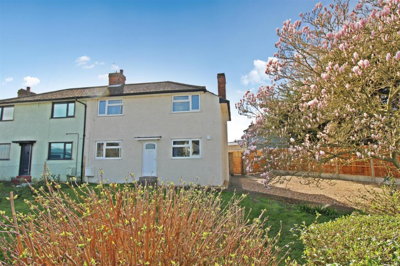
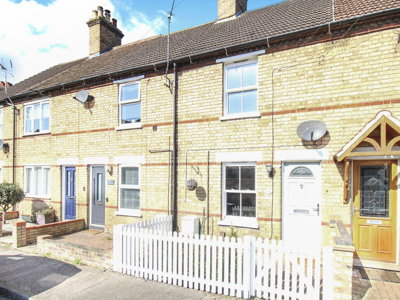
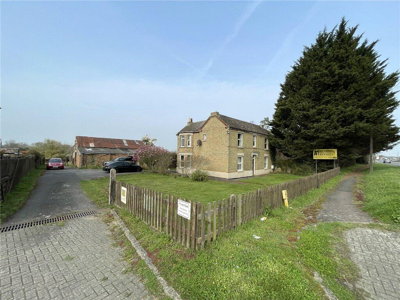
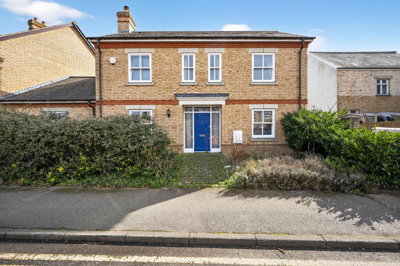
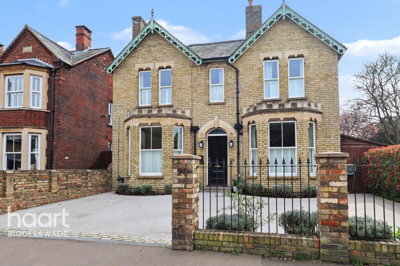
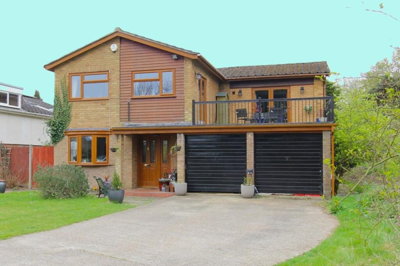
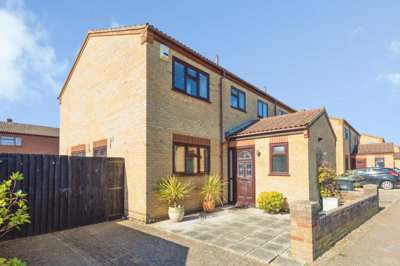
The predominant building materials in Sandy include traditional red brick construction with clay or concrete tiled roofs, particularly in older properties. Some historic buildings may feature local sandstone or render finishes. Newer developments predominantly use a mix of brick and rendered exterior finishes, reflecting modern building standards while maintaining visual consistency with the surrounding area.











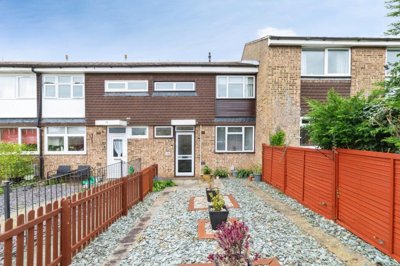
 Taylors Estate Agents
-3d ago
Taylors Estate Agents
-3d ago