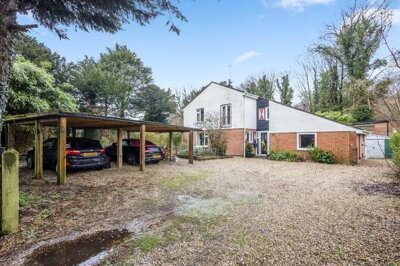
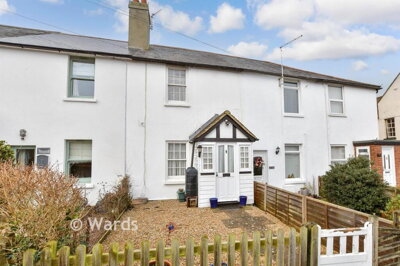
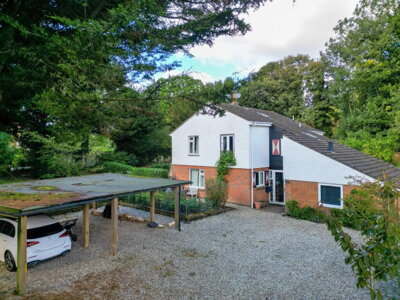
Saltwood is a village and civil parish in the Folkestone and Hythe district of Kent, with a population of 2,746 residents across 1,173 households according to 2021 Census data. The village enjoys a quintessential English rural character while maintaining excellent connectivity to major urban centres. The historic core centres around Saltwood Castle and St Peter and St Paul's Church, both of which are listed buildings, creating a Conservation Area that preserves the village's heritage and character. The castle itself is a Grade I listed building, reflecting the area's significant historical importance dating back to the medieval period.
The local geology presents important considerations for property owners and buyers. Saltwood sits primarily on Gault Formation clay, which is known for its shrink-swell potential, meaning properties can be susceptible to subsidence or heave, particularly where foundations are inadequate or where large trees affect soil moisture levels. This geological characteristic makes it essential for buyers to commission thorough structural surveys, especially for older properties. The area also features sandstone and siltstone of the Folkestone Formation, adding geological diversity to the local landscape.
Transport connectivity significantly enhances Saltwood's appeal to commuters. The village benefits from proximity to the M20 motorway, providing direct access to the Channel Tunnel at Folkestone and the wider motorway network. Ashford International railway station, approximately 15 miles distant, offers high-speed rail services to London St Pancras in under an hour, making the village attractive to professionals working in the capital. Local employment centres on small businesses, education through Saltwood CofE Primary School, and services, with many residents commuting to larger towns including Hythe, Folkestone, Ashford, and Canterbury.
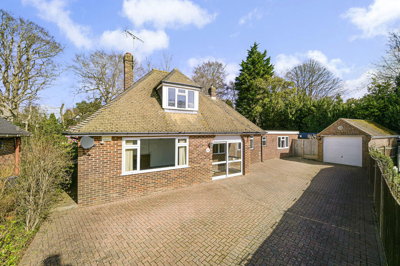
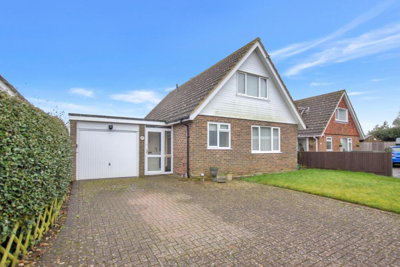
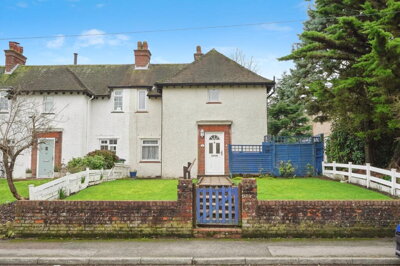
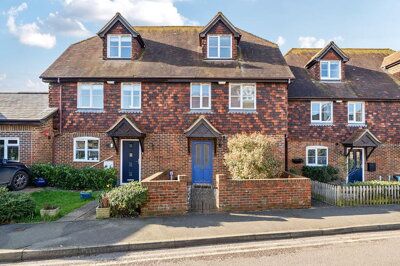
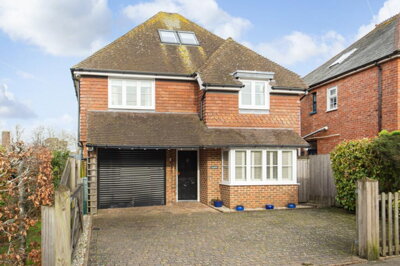
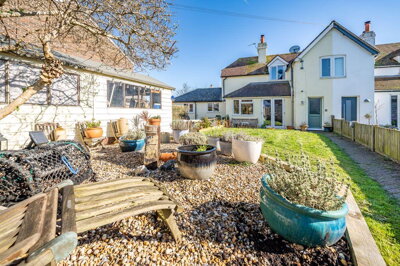
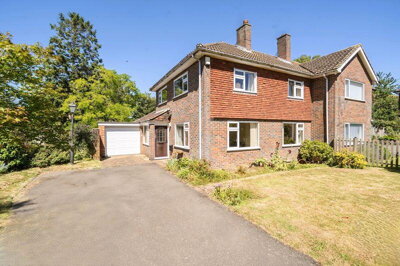
The housing stock reflects the village's evolution through different periods, with significant pre-1919 properties in the historic core, Victorian and Edwardian additions, post-war semi-detached and detached homes, and more recent infill developments. Traditional Kentish building materials predominate, including local ragstone (a type of limestone), red brick, rendered finishes, and the distinctive tile-hung facades characteristic of the region. Roofs typically feature clay tiles or slate, adding to the visual coherence of the area's built environment.











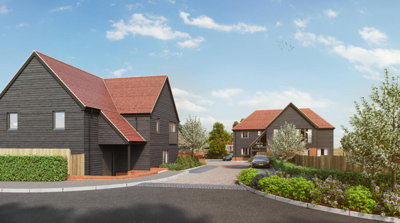 New Build
 Distinctive Homes
-16d ago
Distinctive Homes
-16d ago