Salthouse is a village of approximately 155 residents according to the 2021 Census, down from 201 in 2011, reflecting a national trend of population decline in smaller rural communities. The village is renowned for its spectacular salt marshes and heathland, which is managed as a Norfolk Wildlife Trust nature reserve and attracts birdwatchers and walkers throughout the year. The village sits on low-lying salt marshes, with the high ridge overlooking the settlement formed at the end of the last Ice Age from glacial deposits of sands, gravels, and clays. The underlying geology is primarily chalk bedrock, typical of North Norfolk.
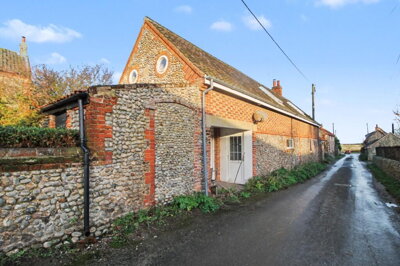
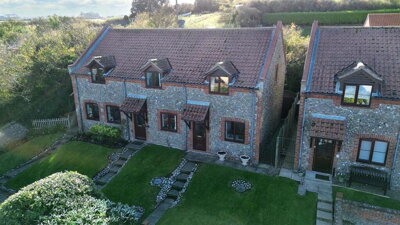
The predominant building material in Salthouse is the traditional Norfolk combination of flint and brick, with many properties featuring characteristic flint-faced elevations. This architectural style is protected by the Salthouse Conservation Area, which encompasses the historic core of the village. Several buildings are listed, including the Grade I listed Church of St Nicholas, the Grade II listed Salthouse Hall, Andrew's Wall, the K6 Telephone Kiosk on The Green, and the Salthouse War Memorial. The village's aesthetic is carefully preserved, as evidenced by the recent affordable housing development which used extensive flint to blend with the existing character.
However, prospective buyers must be aware of significant environmental considerations. Salthouse faces a high risk of coastal flooding, with the Coast Road and surrounding marshland frequently subject to flood warnings during high tides and storm surges. The 2013 storm surge affected 30 residential properties and 14 businesses in the nearby Blakeney, Cley, and Salthouse area. The coastline is also subject to erosion, with over 100,000 residents at risk along the 40km stretch of North Norfolk coast. The underlying clay deposits present a potential shrink-swell risk, where soil expands and contracts with moisture changes, potentially affecting foundations.
Transport links from Salthouse are limited, reflecting its village character. The village is served by limited bus connections to Holt and the broader North Norfolk coast. The nearest mainline railway stations are at Sheringham and Crompier for the Bittern Line connecting to Norwich. The economy is primarily driven by tourism, with the nature reserve, coastal walks, and birdwatching opportunities attracting visitors year-round. Agriculture dominates the surrounding hinterland, while the conservation sector provides some local employment. The lack of basic day-to-day facilities was cited in recent planning rejections as a sustainability concern, though this also contributes to the village's tranquil, unspoiled character.










 William H. Brown
-34d ago
William H. Brown
-34d ago