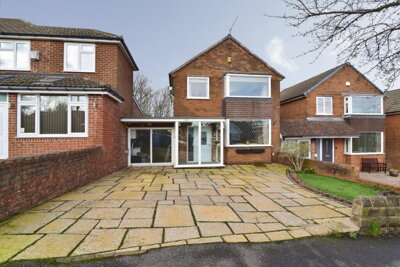
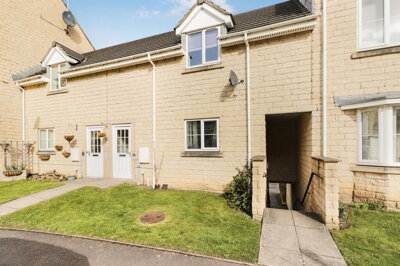
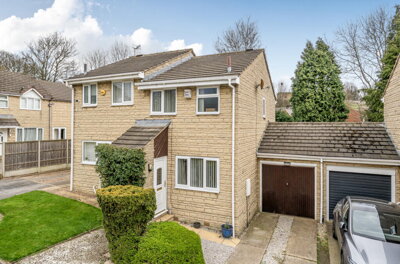
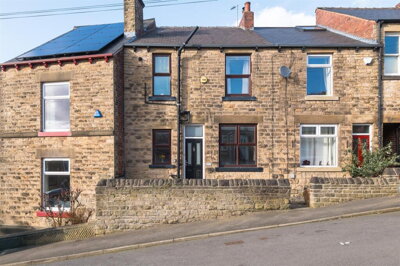
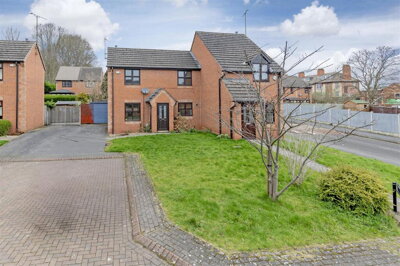
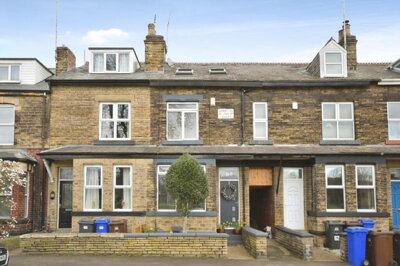
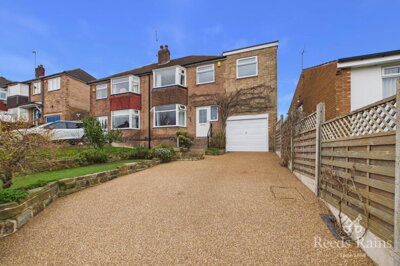
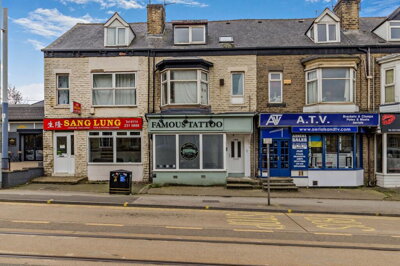
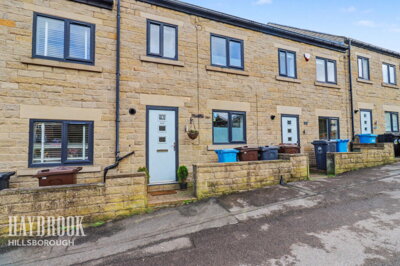
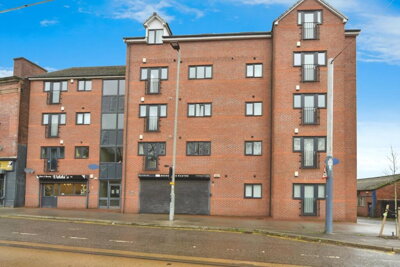
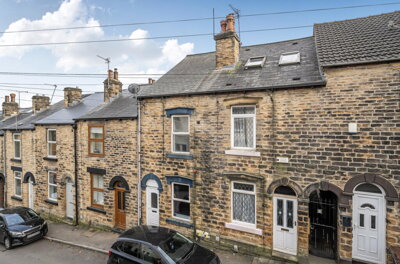
The S6 postcode encompasses a rich of Sheffield neighbourhoods, each with its own distinct character and appeal. Hillsborough, perhaps the most well-known area within S6, offers excellent transport links via the Supertram and regular train services to Leeds and Manchester, making it ideal for commuters. The area boasts a vibrant independent shopping scene, popular pubs and restaurants, and is home to the famous Hillsborough Stadium. According to local data, as many as 45% of properties in Hillsborough are terraced, reflecting the residential nature of this established suburb. The average asking price in Hillsborough reaches £294,118 for properties marketed by premium agents like Hunters.
The district contains 180 listed buildings recorded in the National Heritage List for England, including one Grade I listed building and four Grade II listed properties. These heritage assets are concentrated in areas like Bradfield, Dungworth, and Stannington, where traditional stone cottages and Georgian farmhouses contribute to the area's architectural diversity. Sheffield City Council's Urban Design Compendium emphasises the preservation of places with architectural or historical value, and any new developments within these conservation areas must respect their historic context, protecting the character that makes S6 distinctive. Properties in these heritage areas may require specialist surveys due to their unique construction and historical significance.
The geography of S6 creates both opportunities and considerations for property owners. The area sits within the eastern foothills of the Pennines, with the River Don and its tributaries including the Loxley, Porter Brook, Rivelin, and Sheaf flowing through various parts of the postcode. While flood risk is very low for most S6 postcodes, properties in the Loxley Valley and areas near watercourses should consider flood risk assessments. Sheffield's mining heritage, particularly in the eastern parts of the city, means some areas may have historical ground stability considerations that a RICS survey can identify. The exposed coalfield ends in the east of Sheffield, where a band of Magnesian Limestone stretches, and the dip of coal seams from west to east meant shallow mining was common in certain areas.










 Cocker and Carr LTD
-7d ago
Cocker and Carr LTD
-7d ago