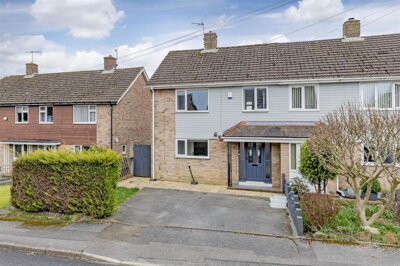
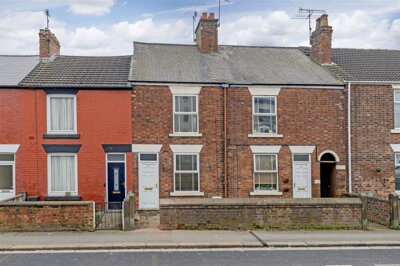
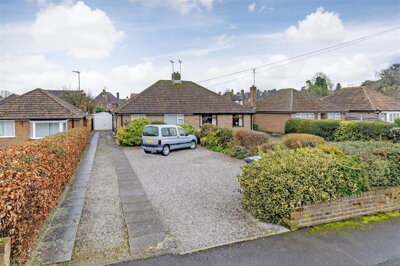
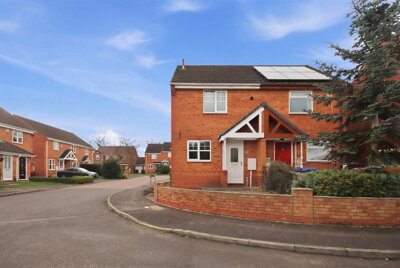
Chesterfield sits in Derbyshire, combining historic market town character with modern conveniences and excellent connectivity. The town centre features the famous Crooked Spire of St Mary and All Saints Church, a distinctive landmark that draws visitors from across the country, while the surrounding Conservation Areas, including Church Close and Abercrombie Street, preserve the architectural heritage that makes the area so appealing. The S40 postcode covers the central town area as well as desirable suburbs like Brampton and Walton, each offering distinct atmospheres from the bustling town centre to quieter residential neighbourhoods. Properties in conservation areas often command premium prices due to their character and protected status.
The local geology presents important considerations for property buyers, as the Chesterfield area sits on clay-rich soils susceptible to shrink-swell movement, particularly in the upper 1.5 to 2 metres of ground. This geological characteristic means that foundations of older properties may be affected by seasonal moisture changes, especially where trees are planted near buildings. The British Geological Survey's GeoSure data identifies this shrink-swell potential across parts of S40, and buyers should factor this into their property surveys. Properties with mature trees nearby may require particular attention during a structural survey. Flood risk is another consideration, with the River Hipper and River Rother flowing through parts of S40, creating Flood Zone 2 and Flood Zone 3a designations in certain areas. Surface water flooding can also occur, and potential buyers should inquire about flood history when viewing properties in lower-lying locations, particularly near Chatsworth Road and Factory Street.
From an economic perspective, Chesterfield offers a diverse employment base across government, manufacturing, healthcare, and retail sectors, with forecast job growth of 4% between 2021 and 2030. The largest number of jobs are expected in health and social care, followed by logistics, professional services, and hospitality. The town is undergoing significant regeneration through the Spire Neighbourhood project, delivering new housing and a cultural quarter, while the East Midlands Investment Zone at Hartington Staveley is attracting advanced manufacturing and green industries. This economic investment, combined with house prices at approximately seven times median earnings compared to nine times nationally, explains why Chesterfield remains attractive to both first-time buyers and families seeking space without the premium prices of larger cities.
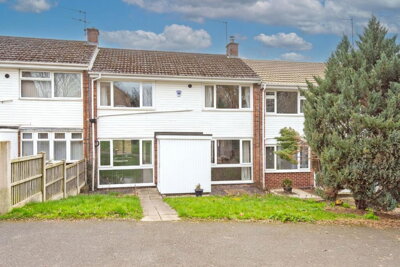
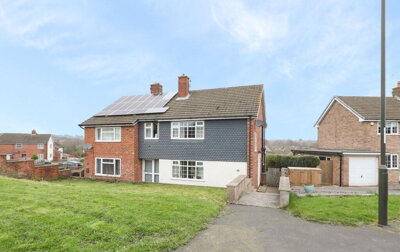
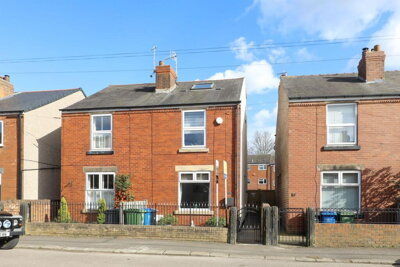
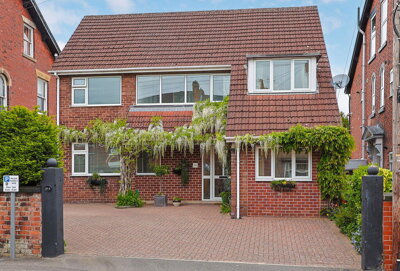
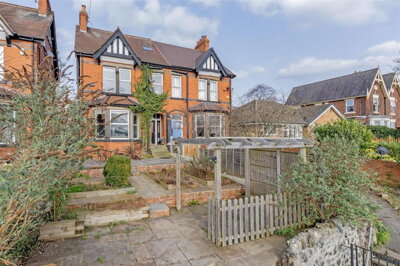
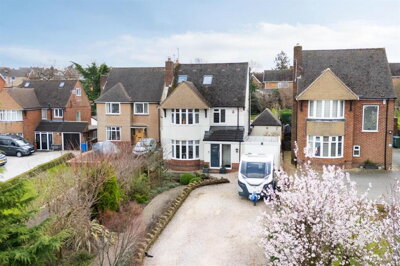
The predominantly brick construction of Chesterfield's housing stock reflects the area's industrial heritage and local building traditions. Traditional properties were typically built with solid masonry walls, timber floors and roofs, while newer developments incorporate contemporary materials with a focus on energy efficiency. Given that a significant proportion of the housing stock is over 50 years old, buyers should be aware of common issues that affect properties of this age, including damp penetration, roof deterioration, and potential foundation movement in areas with clay soils. A thorough RICS survey is strongly recommended for any property purchase in S40.










 Haus
-6d ago
Haus
-6d ago