The S12 postcode area, home to approximately 35,000 residents across roughly 14,000 households, offers a blend of suburban convenience and access to Sheffield's urban amenities. The area primarily serves as a residential base, with many commuters travelling to Sheffield city centre for work in sectors including healthcare, education, advanced manufacturing, and digital industries. The presence of the Northern General Hospital and Sheffield Hallam University as major employers provides stable employment for local residents, supporting the housing market's underlying demand.
Geologically, S12 sits on Carboniferous bedrock including sandstones, mudstones, and coal seams, with superficial glacial till deposits (boulder clay) prevalent across much of the area. The clay content in local soils presents a moderate to high shrink-swell risk, meaning foundations can be affected by moisture changes particularly during periods of drought or heavy rainfall. This geological characteristic is important for buyers to consider, and a RICS Level 2 Survey can identify any related structural issues in potential purchases.
Flood risk in S12 comes primarily from surface water and river sources. Properties near the River Rother and its tributaries face some river flooding risk, while surface water flooding affects urban areas during heavy rainfall due to impermeable surfaces. The area's history as part of Sheffield's coal mining legacy means some properties may sit on or near former mining grounds, potentially requiring specialist mining reports as part of the conveyancing process. These environmental factors underscore the value of comprehensive surveys before purchasing in the area.
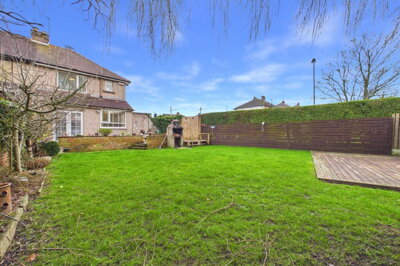
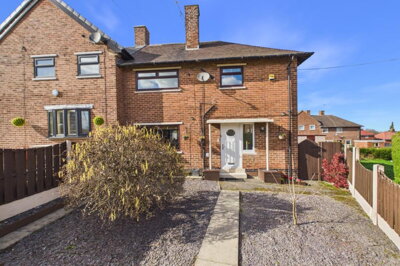
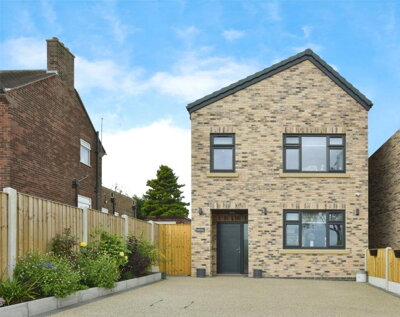
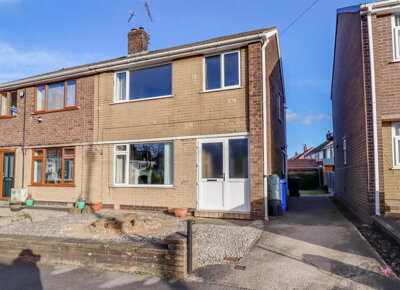
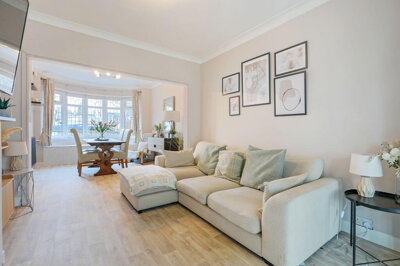
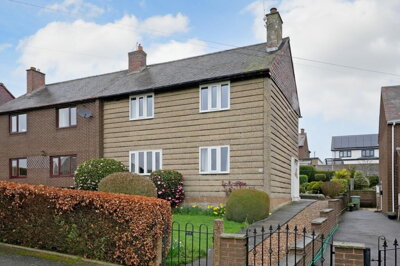
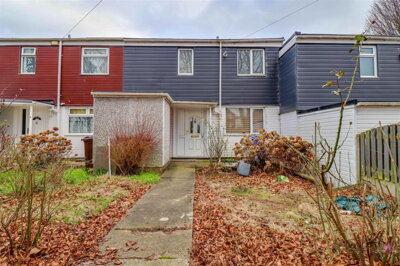
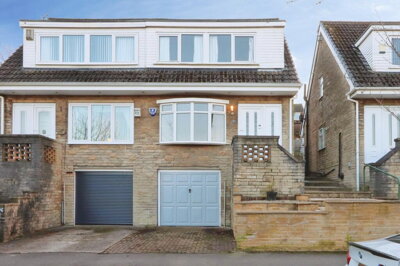
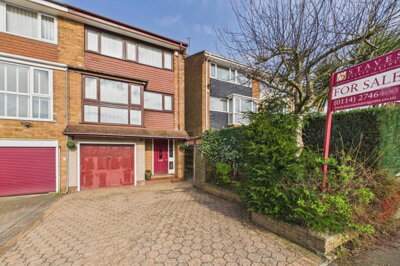
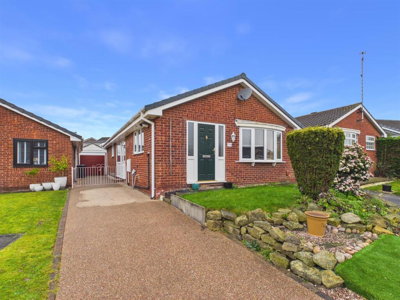
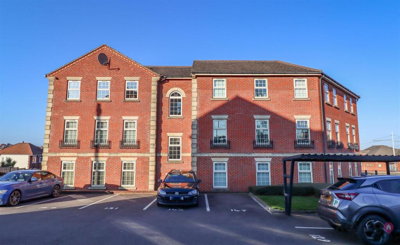
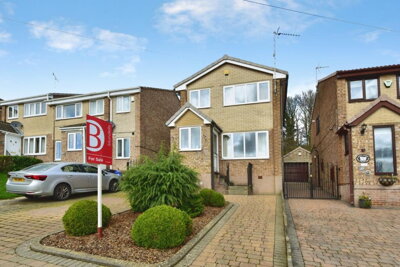
The predominant construction materials in S12 reflect Sheffield's industrial heritage, with many properties built from red brick, typical of the region. Stone construction appears in some older properties, while newer developments use modern brick, render, and composite cladding. Roofs typically feature slate or concrete tiles. Properties built between 1930 and 1969 form a significant portion of the housing stock, meaning many homes are now over 50 years old and may benefit from the detailed assessment a RICS Level 2 Survey provides.










 Blundells
-8d ago
Blundells
-8d ago