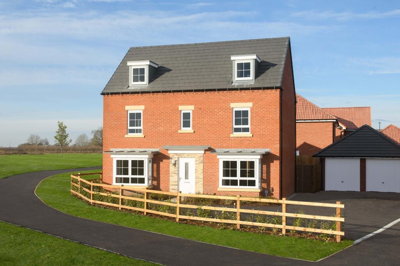
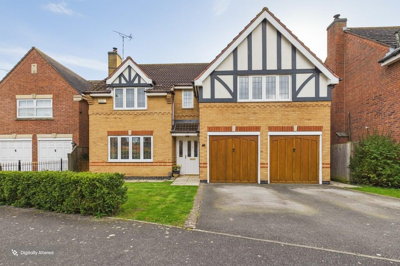
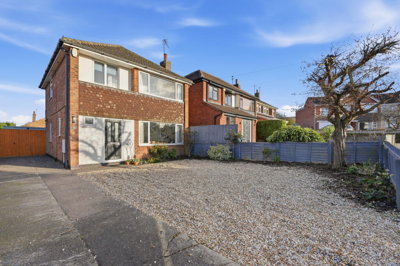
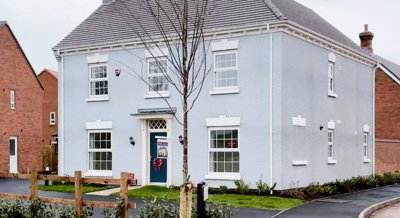
The Rushcliffe housing market demonstrates the strength of this desirable Nottinghamshire borough, with Land Registry data confirming an average house price of £334,000 as of December 2025, representing solid 2.5% year-on-year growth. This steady increase reflects continued buyer demand, driven by Rushcliffe's excellent schools, transport links to Nottingham, and attractive village communities. Our current listing data shows an average asking price of £429,183 across 2,083 active properties, indicating that sellers are pricing with confidence in the market's trajectory.
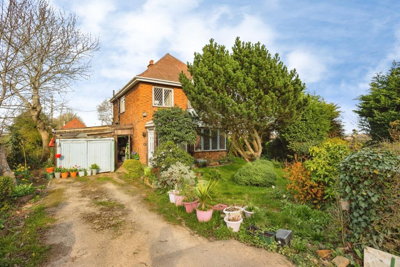
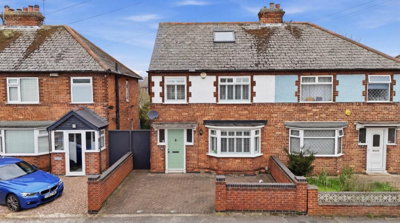
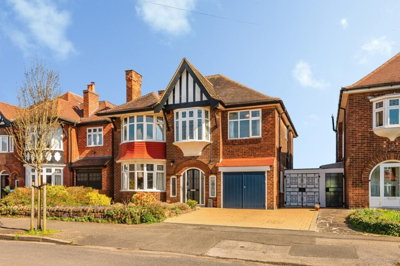
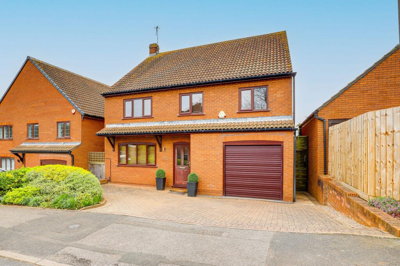
Property type analysis reveals significant price variation across the market. Detached properties command the highest average prices at £482,000, reflecting the premium nature of family homes in areas like West Bridgford, Radcliffe-on-Trent, and the village settlements throughout the borough. Semi-detached properties, which comprise 31% of Rushcliffe's housing stock according to ONS Census 2021, average £308,000, while terraced homes average £242,000 and flats remain the most accessible entry point at £157,000.
Year-on-year trends show particular strength in the semi-detached and terraced sectors, both of which recorded 3.1% growth in the twelve months to December 2025. Interestingly, the flat market experienced a modest 1.3% correction, suggesting that buyers in this segment are more price-sensitive or that supply has increased relative to demand. The overall sales volume in Rushcliffe reached 1,674 transactions in the year ending March 2023, and while this represented a decrease from the previous year, it remains reflective of a functioning market with reasonable liquidity.
The Rushcliffe borough encompasses a diverse mix of property ages and construction types, from Victorian and Edwardian homes in village centres through to modern new-build developments. The presence of 30 conservation areas, including the East Bridgford Conservation Area with its 20 Listed Buildings, speaks to the architectural heritage that characterises many village centres. Properties in these protected areas often require specialist knowledge from estate agents who understand the additional planning controls and buyer considerations that come with historic homes.










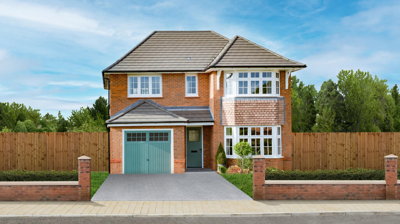 New Build
 Move +
-1d ago
Move +
-1d ago