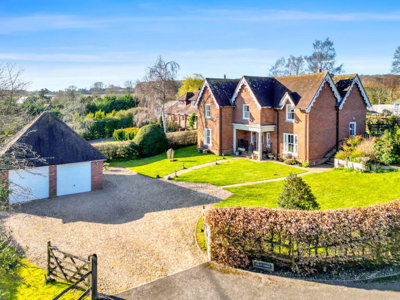
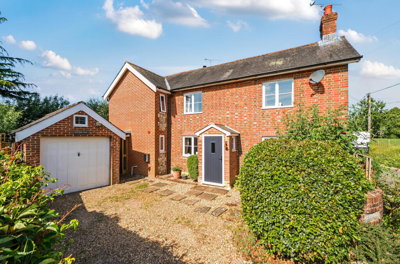
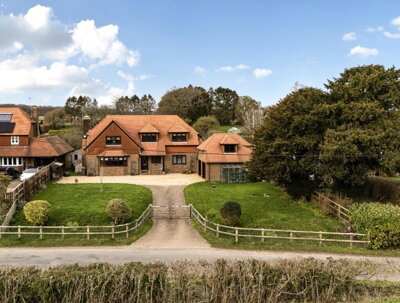
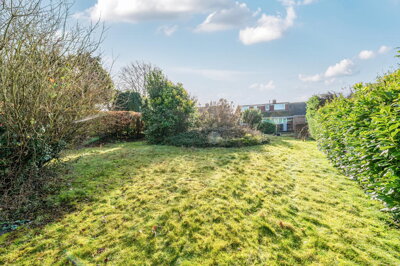
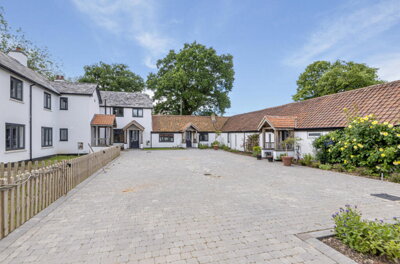
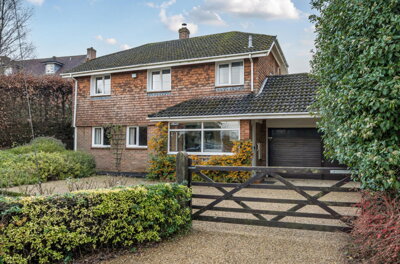
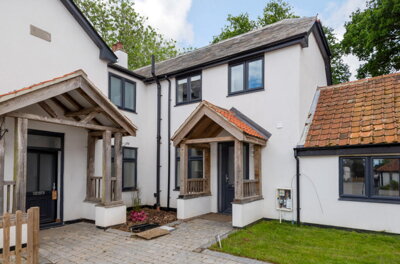
Ropley sits on the edge of the South Downs in East Hampshire, offering residents a rural village lifestyle while maintaining excellent connectivity to larger towns and cities. The population stands at approximately 2,000 across around 800 households, creating a close-knit community feel. The village is served by local amenities including a primary school, village hall, and several pubs and shops, while more extensive facilities are available in the nearby towns of Alton and Winchester. The Ropley Conservation Area encompasses the historic core, protecting the character of period properties and ensuring new developments respect the village's heritage.
The underlying geology of Ropley presents important considerations for property buyers and sellers. The village sits on chalk bedrock with areas of clay and sand deposits, creating a moderate to high shrink-swell risk in certain areas, particularly for properties with mature trees. This clay soil can cause subsidence issues in older properties, making structural surveys particularly valuable. Flood risk is generally low, with no significant river or coastal flooding concerns, though some low-lying areas do experience surface water flooding during periods of heavy rain. Surface water flood risk remains a consideration for buyers in specific locations.
Transport links from Ropley serve commuters well, with regular train services from Alton connecting to London Waterloo and Winchester. The village's position provides access to the A3 and M3 for those travelling by car, making it practical for workers in London, Southampton, and Portsmouth. Local employment opportunities are diverse, with many residents commuting to Winchester, Basingstoke, and beyond, while others work in the agricultural sector, small businesses, or the growing number of home-based enterprises. The area's desirability is boosted by the presence of good primary and secondary schools, attracting families to the village.
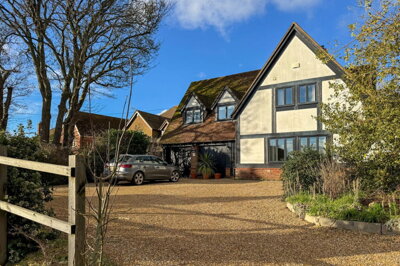
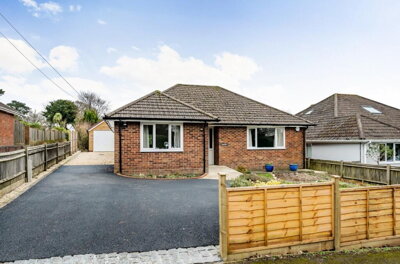
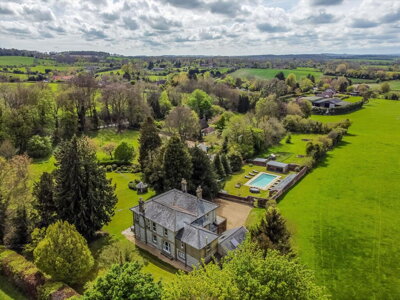
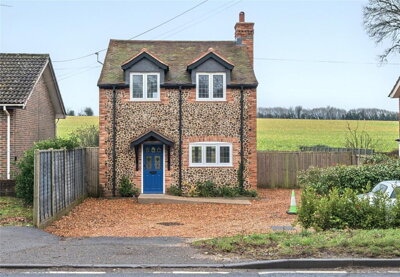
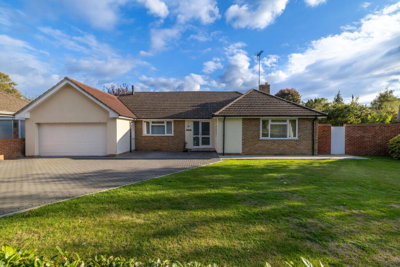
The predominant building materials in Ropley reflect its Hampshire heritage, with traditional red brick construction featuring prominently alongside flint detailing that is characteristic of the South Downs region. Many historic properties incorporate local stone, while rendered or painted finishes appear on some period cottages. Older properties typically feature solid wall construction, while post-war homes added cavity wall building techniques. Roofs are commonly pitched with clay tiles or slate, reflecting the traditional roofing materials used throughout East Hampshire.











 Hellards Estate Agents
-6d ago
Hellards Estate Agents
-6d ago