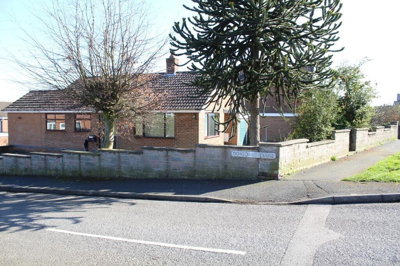
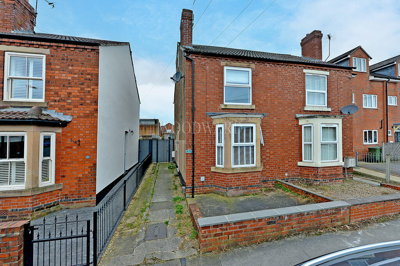
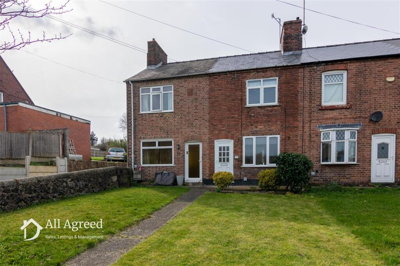
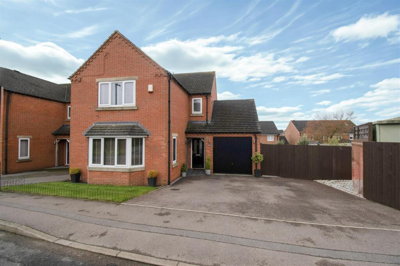
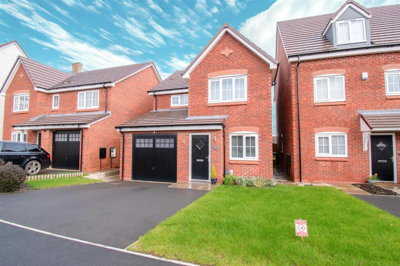
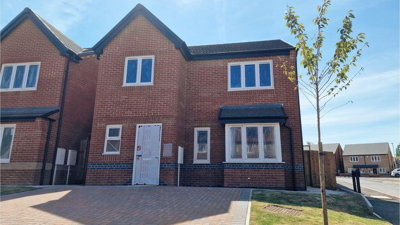
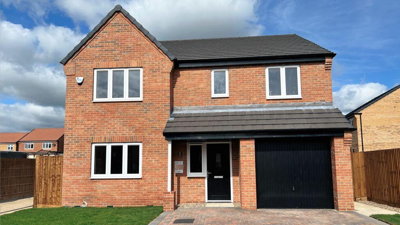
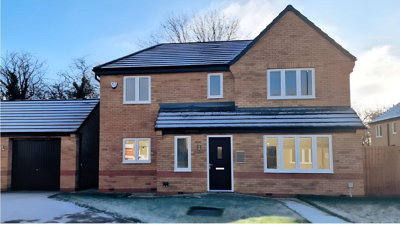
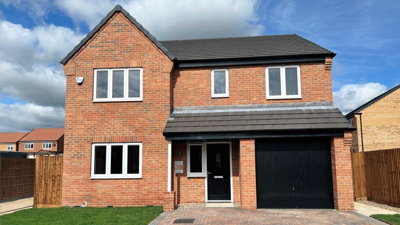
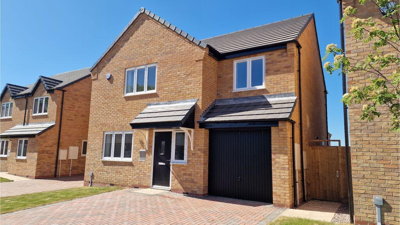
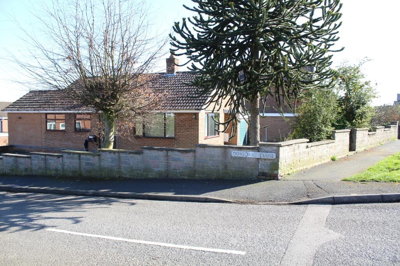
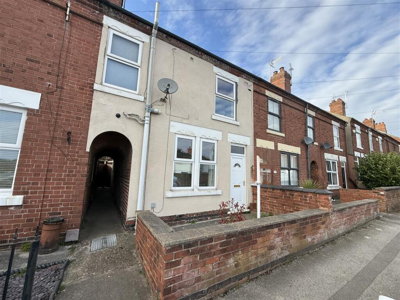
Ripley sits within Amber Valley, Derbyshire, approximately nine miles north of Derby city centre and within easy reach of Nottingham to the east. The town retains its historic character through Victorian terraced streets around the town centre, with more modern residential developments extending toward the outskirts. The former coal mining heritage has shaped much of the local architecture, with many properties dating from the late nineteenth and early twentieth centuries when the mining industry dominated the local economy. This heritage is particularly evident in the tight-knit communities found in areas like Godkins Lane and Pease Street, where period cottages sit alongside Victorian terraces.
Transport links serve the town reasonably well, with the Ripley railway station providing connections to Nottingham and Sheffield via the Derby to Leeds line, though services are less frequent than on busier routes. The A38 trunk road passes nearby, providing straightforward access to Derby's city centre and the M1 motorway at Chinley, making the town popular with commuters who work in larger cities but prefer lower living costs. Local schools include Ripley St John's Church of England Primary School and the Thomas Hepburn School, serving families with children of various ages and consistently performing well in Ofsted ratings for the area. The town centre offers everyday amenities including supermarkets, independent shops, and pubs, while larger retail and entertainment options require a short journey to Derby's Eagle Market or intu Derbe shopping centre.
For buyers concerned about environmental factors, Ripley falls within a historical coal mining area, meaning a Coal Authority Mining Report would be advisable when purchasing property to assess any potential ground stability issues. The majority of properties in the area are likely over fifty years old, reflecting the town's established nature, which means potential buyers should consider the condition of roofs, damp proofing, and electrical systems when evaluating properties. Conservation areas are administered by Amber Valley Borough Council, and any significant alterations to period properties may require planning permission. Properties in areas like Marehay and Nether Heanor occasionally fall within flood zones due to the River Amber, so flood risk assessments are worth obtaining for homes in lower-lying locations.










 Matthew Thomas Residential
-4d ago
Matthew Thomas Residential
-4d ago