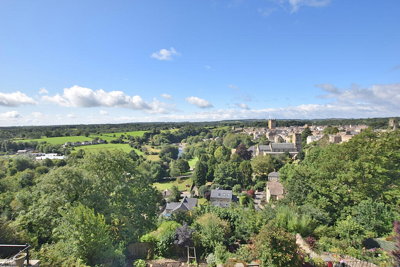
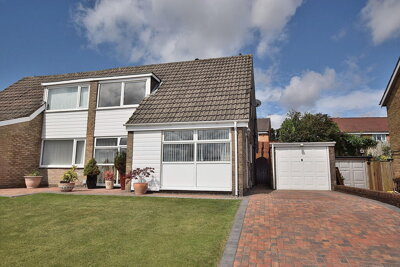
Richmond, North Yorkshire is a charming market town nestled in the heart of the Yorkshire Dales, famous for its cobbled streets, Georgian architecture, and the magnificent Richmond Castle overlooking the River Swale. The town centre features an array of independent shops, traditional pubs, and restaurants, creating a vibrant community atmosphere that attracts both retirees and families alike. The market square hosts regular markets, maintaining the town's historic trading traditions that date back centuries. The twice-weekly markets continue to draw visitors from surrounding villages, supporting local businesses and creating the lively atmosphere that defines Richmond.
Transport connections from Richmond serve the local population well, with the railway station providing links to larger centres including Darlington and York. The A1 nearby offers road connections to the broader region, while the scenic countryside surrounding the town makes it particularly appealing to those seeking a quieter lifestyle without sacrificing accessibility. The journey to Darlington takes approximately 30 minutes by car, while York is reachable in under an hour. Local schools serve the community well, with the area known for its strong sense of community spirit and active local organisations ranging from the Richmond Rotary Club to various sports clubs and cultural societies.
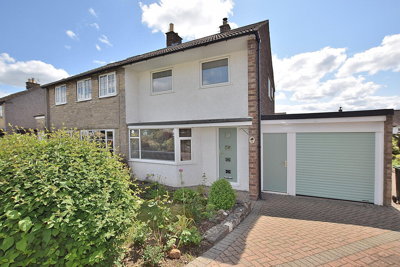
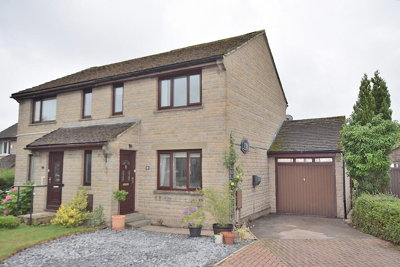
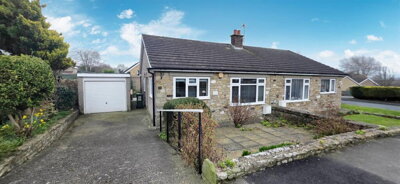
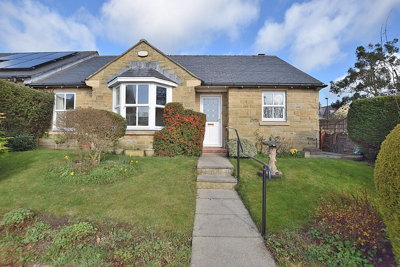
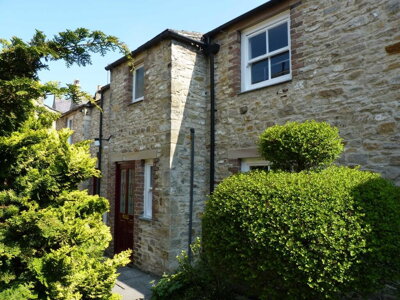
The geological character of the area reflects typical North Yorkshire terrain, with the underlying limestone and sandstone formations influencing local building materials and property construction styles. Properties in Richmond often feature traditional stone work and slate roofs, reflecting the materials readily available in the region. The town sits away from significant flood risk areas, and the solid underlying geology generally provides stable ground conditions for property construction. This stability means foundation issues are relatively rare compared to areas with clay soils, providing reassurance for buyers concerned about structural matters.
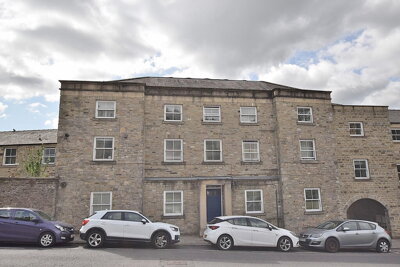
Richmond's conservation areas cover significant portions of the town centre, particularly around the Castle Gardens, the Georgian architecture along Friargate, and the properties overlooking the market place. Many properties in these designated areas benefit from listed building status, which protects their historic features but also means buyers should factor in the additional considerations that come with owning period property. The strict planning controls help maintain the town's architectural integrity, contributing to sustained property values and buyer interest in the area's unique character.










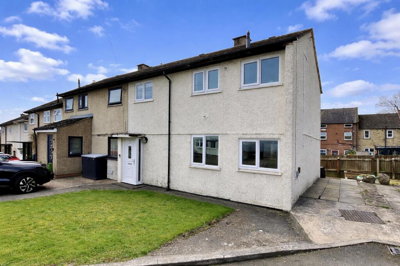
 Venture Properties
-3d ago
Venture Properties
-3d ago