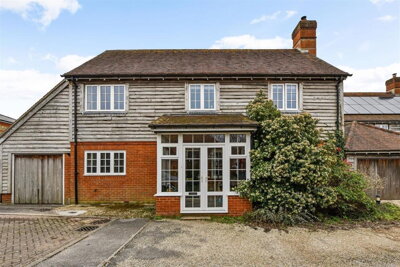
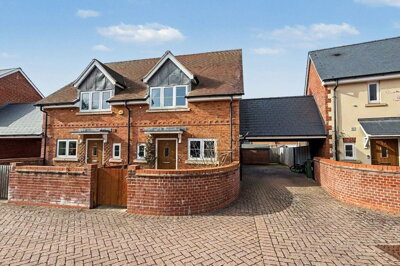
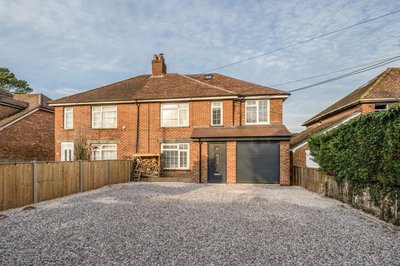
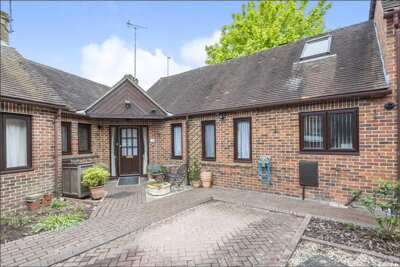
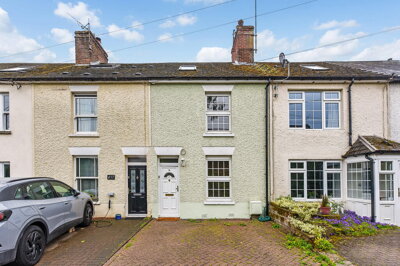
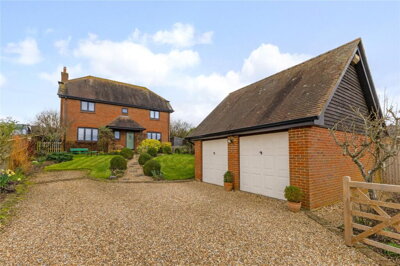
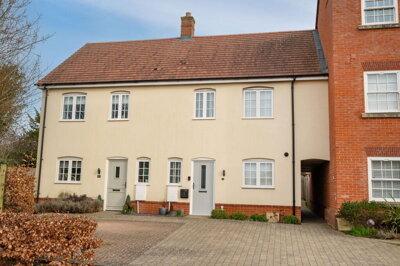
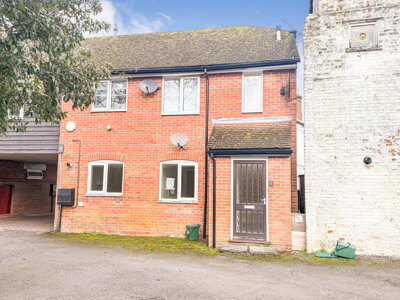
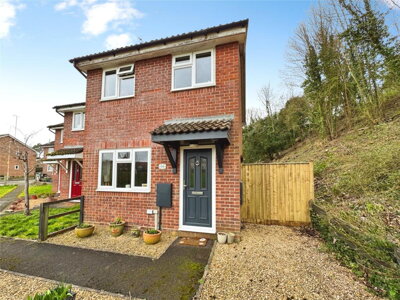
Whitchurch sits gracefully in the Test Valley district of Hampshire, a town renowned for its medieval street pattern, historic architecture, and the famous Whitchurch Silk Mill. The town centre features numerous listed buildings, particularly along Winchester Street, Church Street, and London Street, where 18th-century brick buildings with slate roofs, such as Weaver's End and Tacklers Cottage, showcase the area's rich architectural heritage. The presence of Grade II listed properties, including buildings on Fairclose, Bell Street, and the Baptist Chapel, underscores the conservation-focused nature of this charming market town. Properties in these conservation areas often require specialist knowledge from estate agents who understand the additional requirements and buyer in historic homes.
From a geological perspective, RG28 presents relatively low flood risk compared to many UK locations, with the Environment Agency confirming no current flood warnings or alerts for the Whitchurch area. While long-term risk from rivers and groundwater exists, the immediate flood outlook remains very low, providing reassurance for buyers concerned about environmental risks. The local geology features predominantly clay soils, typical of Hampshire, which can cause foundation movement in older properties during periods of drought or heavy rainfall, making structural surveys particularly valuable for period homes. The flood outlook map indicates very low to low risk of groundwater flooding and low risk of river flooding in some areas, with one area showing medium risk near Vernham Dean.
Demographically, Whitchurch attracts a mix of families, commuters working in Reading, Basingstoke, and Winchester, and retirees seeking a peaceful village atmosphere with essential amenities. The town benefits from a railway station providing direct links to London Waterloo, making it popular with commuters who want to escape city life while maintaining workplace accessibility. Local amenities include independent shops along the main thoroughfares, traditional pubs including the Old Mayflower and the Grosvenor, primary and secondary schools, and the annual Silkmill festival, creating a strong community spirit that appeals to buyers seeking authentic English village character within reasonable distance of major urban centres.











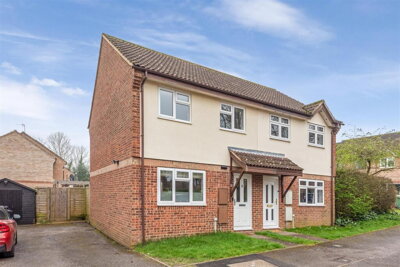
 Graham & Co
-11d ago
Graham & Co
-11d ago