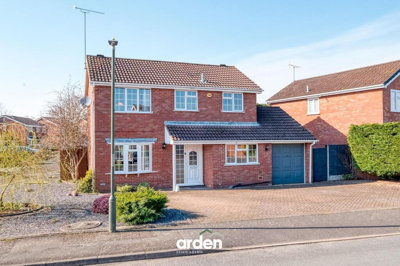
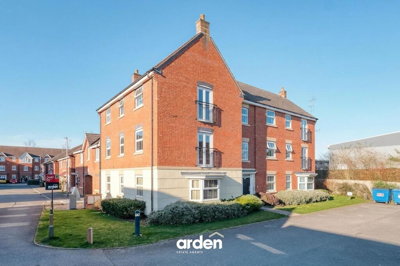
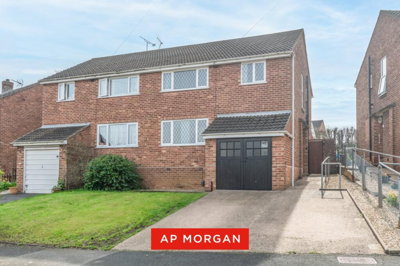
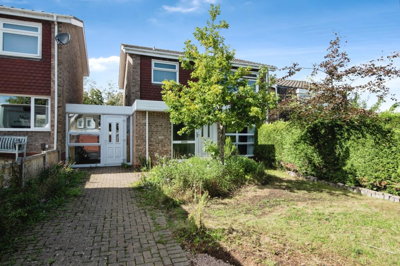
Our data reveals that Redditch's housing market has shown steady growth, with Land Registry figures indicating average house prices increased by approximately 2-4% over the past twelve months. The current average sold price sits around £271,000, with asking prices averaging £303,676 across the 1,173 properties currently marketed by the 45 active estate agents in the area. This premium between asking and achieved prices reflects the competitive nature of the Redditch market, where well-priced properties continue to attract strong buyer interest.
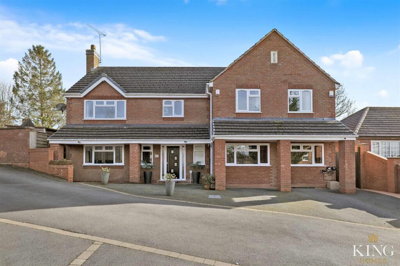
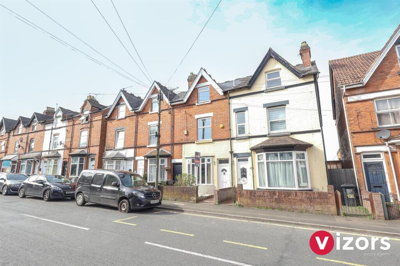
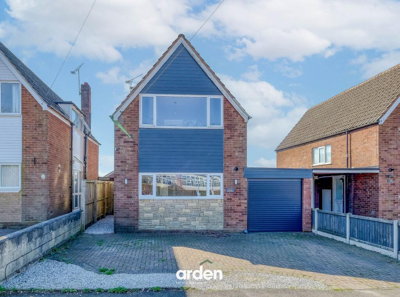
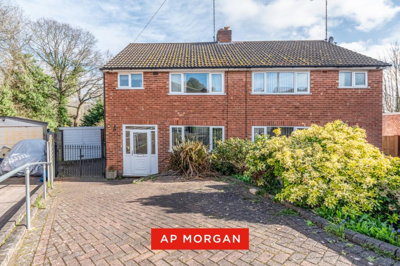
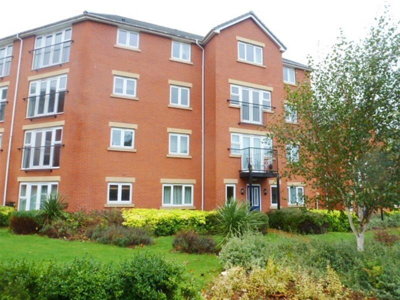
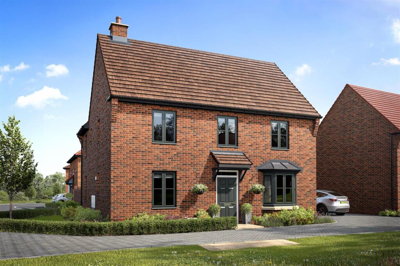
Property types in Redditch span an impressive range. Detached properties command the highest average prices at £460,644, followed by semi-detached homes at £277,167, terraced houses at £205,579, and flats at £129,536. The predominance of three-bedroom homes in the current listings, with 550 properties at an average price of £281,605, indicates strong demand from families seeking mid-range family housing in this Worcestershire town. Four-bedroom detached properties, averaging £439,994, appeal to upsizers and those seeking premium accommodation within reasonable commuting distance of Birmingham.
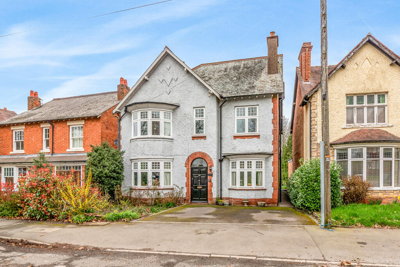
Redditch's status as a "Mark Two" New Town, designated in 1964, means the town features a mix of post-war housing estates alongside older period properties in conservation areas. The town centre's Church Green Conservation Area contains buildings dating from the late eighteenth century, while Feckenham Conservation Area showcases medieval village architecture with timber-framed and Georgian brick structures. This variety means sellers must choose an estate agent with appropriate local knowledge, whether marketing a modern family home or a historic property requiring specialist handling.
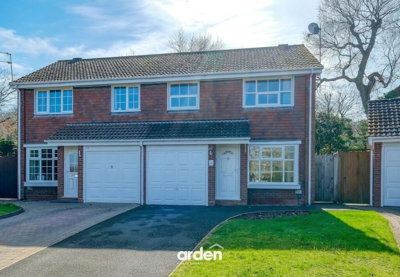
The Redditch housing stock reflects its New Town heritage alongside historic cores. Many properties built during the 1960s-1980s expansion phase dominate residential areas like Churchill, Matchborough, and Batchley, constructed using traditional red brick with concrete roof tiles. These mid-century homes require different marketing approaches compared to period properties in conservation areas, where timber-framed construction, lime mortar, and historic features command premium interest from buyers seeking character homes.










 Arden Estates
-5d ago
Arden Estates
-5d ago