Rayleigh sits within the Rochford district of Essex, offering a blend of historic charm and modern convenience that appeals to a broad range of buyers. The town centre features a conservation area containing several period buildings, including the notable Rayleigh Windmill, a Grade II* listed structure that serves as a local landmark. The population of 34,475 residents across 14,085 households creates a strong sense of community, with local shops, restaurants, and weekly markets contributing to the town's vibrant atmosphere.
The geological landscape of Rayleigh presents unique considerations for property owners and buyers. The underlying London Clay geology creates shrink-swell potential, meaning clay soils expand when wet and contract during dry periods. This can lead to foundation movement in properties, particularly those with shallow foundations built before modern building regulations. Buyers should factor this into their survey requirements, especially for older properties in the area. Flood risk assessment is also advisable, as areas near the River Crouch and low-lying sections of town carry medium to high surface water flood risk during periods of heavy rainfall.
Transport connections make Rayleigh particularly attractive to commuters, with Rayleigh railway station providing regular services to London Liverpool Street via Shenfield. The town sits between the larger centres of Southend-on-Sea and Chelmsford, offering residents access to broader employment opportunities while maintaining a more affordable cost of living than destinations closer to the capital. Local schools perform well, and the combination of good transport links, family-friendly amenities, and reasonable property prices continues to draw buyers to the area.
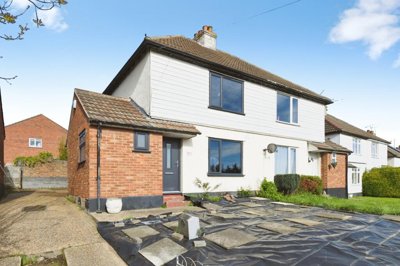
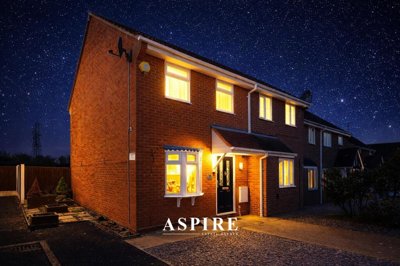
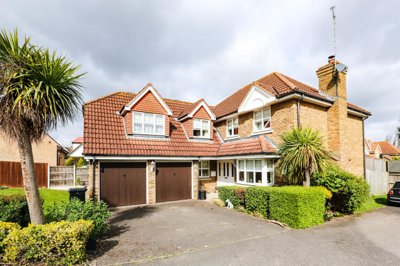
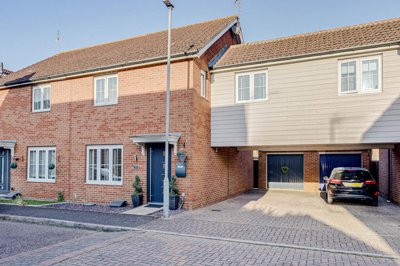
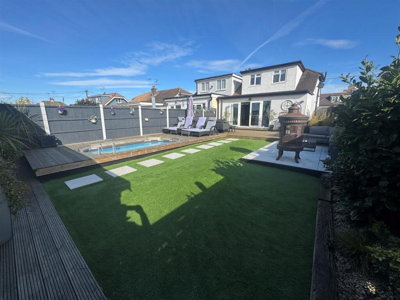
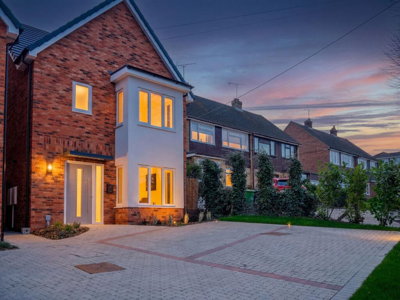
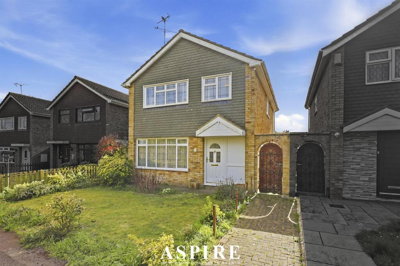
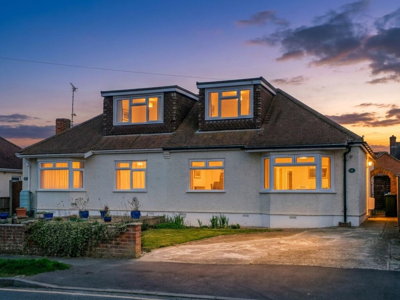
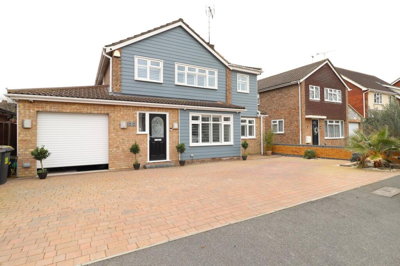
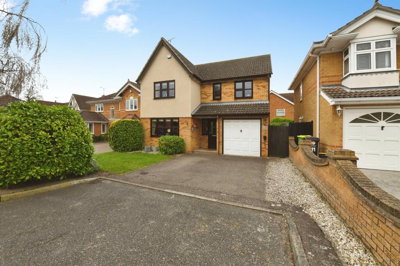
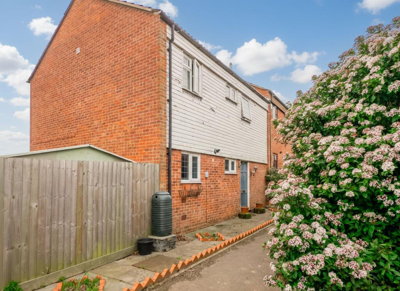
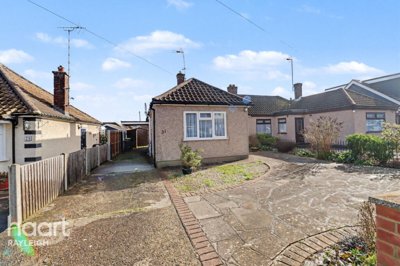
The housing stock in Rayleigh reflects its development history, with 36.7% detached properties, 34.2% semi-detached, 16.2% terraced, and 12.9% flats. Approximately 68.2% of properties were built before 1980, meaning the majority of the housing stock is over 50 years old. This has implications for buyers, as older properties may require updating of electrics, plumbing, and insulation, while also potentially presenting issues related to damp, roof condition, and foundation movement due to the local clay geology.










 Haart
-1d ago
Haart
-1d ago