Excellent
4.9 out of 5 star rating on Trustpilot
Trustpilot
Estate Agents

Best Estate Agents in Rattery

Compare top-rated local agents
Free, no-obligation valuations
Sell faster with expert support
Local estate agents in your area
ITV News TV Appearance The Times Featured AI Tech Company The Guardian - Homemove Insert Feature

Find the Best Estate Agents in Rattery

We track 4 estate agents actively marketing properties in Rattery, South Hams, and we have ranked them all based on live listing data. Whether you are selling a charming cottage in the village centre or a rural farmhouse on the outskirts, finding the right agent makes all the difference to your sale price and timeline.

Rattery is a sought-after village in the South Hams district of Devon, with an average property price of £402,000 according to recent Land Registry data. The village's status as a Conservation Area, combined with its proximity to Totnes and excellent transport links, makes it an attractive location for buyers seeking a rural lifestyle with modern convenience.

Search for the best estate agents in Rattery, South Hams, Devon, England

Rattery Property Market Snapshot

4

Active Estate Agents

£650,000

Average Asking Price

6

Properties For Sale

Property Market in Rattery

The Rattery property market reflects the broader trends in the South Hams district, where rural villages command premium prices thanks to their character and location. According to our research data, the average property price in Rattery stands at £402,000, with the village seeing an average price increase of 1.3% over the last 12 months. This steady growth indicates a healthy market that continues to attract buyers seeking the Devon countryside lifestyle.

Land Registry data confirms that Rattery has seen 10 property sales in the past 12 months, demonstrating consistent transaction activity for a village of its size. The market skews towards larger properties, with detached homes averaging around £450,000 and semi-detached properties at approximately £310,000. This premium for detached homes reflects the desirability of rural settings with gardens and privacy, which Rattery offers in abundance.

Property types in Rattery vary considerably given the village's mix of historic and modern housing. Terraced properties average around £290,000, while flats represent the more affordable entry point at approximately £180,000. The presence of period properties, many of which are listed buildings, adds character to the market but also means buyers should budget for potential renovation work.

The current listing landscape shows a slight skew towards premium properties, with an average asking price of £650,000 across 6 active listings. This reflects several high-value family homes and character properties currently on the market, ranging from a two-bedroom flat at £350,000 to a substantial six-bedroom period home at £975,000.

Property Market at a Glance in Rattery

Based on 3 live listings with an average asking price of £825,000.

Average Asking Price by Type in Rattery

Detached (1) £750,000
Semi-Detached (1) £975,000
Terraced (1) £750,000

Average Asking Price by Bedrooms in Rattery

4 Bed (1) £750,000
5 Bed (1) £750,000
6 Bed (1) £975,000

Listings by Price Range in Rattery

£750k-£1M 3 listings

Most Active Estate Agents in Rattery

1. Stags 3 listings (100%)

Source: home.co.uk

See which agents are selling fastest and at the best prices in Rattery.

Compare Estate Agents Free

What's Selling in Rattery

The transaction volume in Rattery shows a steady flow of sales, with 10 properties changing hands in the past year. This activity level is typical for a rural parish of around 468 residents, where the housing stock turns over at a measured pace. The village attracts a mix of families, retirees, and second-home buyers, all drawn to the area's scenic beauty and community feel.

New build activity specifically within the Rattery postcode area remains limited, with no major developments verified at this time. The lack of newbuild supply means buyers often look to the wider South Hams district or nearby towns like Totnes for newly constructed properties. This shortage of modern stock can drive demand for quality period properties that offer character and immediate availability.

Property type distribution in the current market shows a good mix, with larger properties commanding the highest prices. The average asking price of £650,000 currently reflects listings skewed towards the premium end of the market, including several family homes and character properties. Properties with four or more bedrooms regularly appear at £750,000 and above, while two-bedroom homes offer more accessible entry points around the £350,000 mark.

Looking at bedroom distribution, two-bedroom properties represent the entry-level segment at around £350,000, making them attractive to first-time buyers and those looking to downsize from larger family homes. Three-bedroom properties form the backbone of the market at approximately £487,500, appealing to growing families seeking a balance of space and village lifestyle. Four-bedroom homes at £750,000 and five-bedroom properties at £850,000 target buyers seeking larger family accommodation with rural views and gardens, while six-bedroom period homes at £975,000 represent the ultra-premium segment.

Rattery Area Character and Local Insight

Rattery is a historic village parish in the South Hams district of Devon, with a population of approximately 468 residents according to the 2021 Census. The village itself is a designated Conservation Area, reflecting its architectural heritage and the importance of preserving its special character. Numerous listed buildings dot the village, including older farmhouses, traditional cottages, and the parish church, all contributing to Rattery's timeless appeal.

The geology of the South Hams region, which encompasses Rattery, consists predominantly of Devonian slates and shales, with pockets of limestone and sandstone. Properties in the area commonly feature traditional stone construction, local slate roofs, and rendered finishes, giving the village its distinctive appearance. While clay soils can be present in certain areas, which may bring shrink-swell considerations for foundations, this is typical of many rural Devon locations and manageable with appropriate building practices.

Transport links serve Rattery reasonably well for a rural village, with the nearby town of Totnes providing mainline railway connections to London Paddington, Bristol, and Exeter. The A38 dual carriageway is accessible for journeys to Plymouth and the wider motorway network. For daily commuters, the village offers a balance of rural tranquility while remaining connected to employment centres in Totnes, Dartington, and Plymouth.

Local amenities in Rattery include a village pub, community hall, and parish church, while larger shopping facilities and schools are available in Totnes, approximately 4 miles away. The area is popular with families due to the availability of good primary and secondary schools in the surrounding villages and towns. The local economy remains largely agricultural, with tourism and small businesses contributing to the rural economy.

Flood risk in Rattery is relatively low compared to coastal areas, as the village sits inland away from the immediate coast. However, properties near watercourses should note that the River Dart and its tributaries flow through the wider area, bringing potential river flood risk. Surface water flooding can occur during periods of heavy rainfall, a consideration for any property with drainage vulnerabilities. Potential buyers should request flood risk assessments as part of their due diligence.


Choosing an Estate Agent in Rattery

Selecting the right estate agent in Rattery requires understanding the local market dynamics and matching them to your property's characteristics. The village's premium positioning, with average prices around £402,000 and significant period property stock, means you will want an agent with proven experience in the South Hams rural market. Agents who understand the value of conservation areas and listed buildings can make a meaningful difference to achieved sale prices.

Stags, based in Totnes, represents the premium end of the Rattery market with an average asking price of £862,500 across their active listings. Their strength lies in marketing high-value rural properties and country houses, making them particularly suitable for larger period homes and farm holdings. Their market presence and brand recognition attract buyers specifically seeking quality Devon properties in desirable villages like Rattery.

Helen Moore Property, powered by Exp UK, covers the South Hams and Plymouth area with a different approach, focusing on properties averaging around £487,500. This positions them well for the more accessible end of the Rattery market, including family homes and starter properties. Their digital-first marketing approach can reach broader audiences through international property portals and social media channels.

Marchand Petit, based in Modbury, brings local South Hams expertise with an average listing price of £350,000, typically handling properties at the more affordable end of the village market. Meanwhile, Luscombe Maye from Totnes operates at the premium end with listings averaging £850,000, appealing to buyers seeking exceptional rural properties. Understanding these specialisms helps you match your property with an agent whose buyer database aligns with your target market.

Commission rates in the Rattery area typically range from 1% to 3% plus VAT, depending on whether you choose sole or multi-agency arrangements. High-street agents like Stags and Marchand Petit generally charge percentage-based fees tied to the sale price, while online agents may offer fixed-fee alternatives. However, the premium nature of the Rattery market means the cheapest option is not always the best value when dealing with high-value period properties.

How to Choose the Right Estate Agent

1

Research Local Agents

Look for agents with proven experience in Rattery and the South Hams rural market. Check their current listing portfolio and sold prices to gauge their performance in your price bracket.

2

Compare Market Appraisals

Request free valuations from at least three agents. A good agent will provide a realistic asking price based on comparable sales data, not an inflated figure to win your instruction.

3

Check Their Marketing Strategy

Enquire about their online presence, photography quality, and portal subscriptions. Premium properties in Rattery require sophisticated marketing to attract the right buyers.

4

Understand Their Fee Structure

Ask about sole agency versus multi-agency options, contract lengths, and what services are included. Typical sole agency agreements run for 8-16 weeks.

5

Negotiate Terms

Do not accept the first offer. Agents are often willing to negotiate on fees, particularly for higher-value properties or if you are willing to commit to a longer contract.

Top Tip for Selling in Rattery

Rattery's Conservation Area status means certain restrictions apply to property alterations. Make sure your agent highlights any relevant planning constraints to potential buyers early in the process, as this can affect the type of buyer attracted to your property.

Common Property Defects in Rattery Properties

Given Rattery's significant stock of period properties and listed buildings, understanding common defects is crucial for both buyers and sellers. Many homes in the village date from the pre-1919 period, built with traditional solid stone walls and lime mortar that require different maintenance approaches to modern cavity wall construction.

Damp issues represent the most common problem we encounter in Rattery property surveys. Rising damp affects properties with solid walls where the damp proof course is missing or damaged, while penetrating damp can occur through traditional stone walls during periods of heavy rainfall. Condensation is prevalent in older properties with inadequate ventilation, particularly in kitchens and bathrooms where moisture generation is highest.

Roof conditions require careful inspection on Rattery properties, given the prevalence of traditional slate roofing. We frequently find slipped or missing slates, deterioration of lead flashing around chimneys and valleys, and decay in timber rafters and purlins. Properties with original slate roofs that have not been re-roofed in recent decades may require significant investment to ensure weather tightness.

Timber defects including woodworm and rot affect many older properties in the South Hams area. Wet rot typically occurs where timber is exposed to persistent moisture, while dry rot can spread through buildings via mycelium growth if not identified and treated early. We recommend professional timber surveys for any property showing signs of timber deterioration.

Outdated electrical systems are frequently identified in Rattery properties, particularly those that have not been updated since the 1970s or earlier. Rewiring is often required to meet current safety standards, with costs typically ranging from £3,000 to £8,000 depending on property size and extent of the installation.

Why Local Knowledge Matters for Your Sale

Selling a property in Rattery requires an agent who understands the unique dynamics of this South Hams village market. Unlike urban areas where buyer demand is consistent, rural villages like Rattery attract a specific type of buyer seeking a particular lifestyle, often relocating from urban areas or seeking second homes in the Devon countryside.

The Conservation Area status of Rattery brings specific considerations that affect both saleability and price. Potential buyers need to understand that any external alterations require planning permission from South Hams District Council, and certain permitted development rights may be restricted. An experienced local agent will ensure this information is clearly communicated to prevent delays during the transaction process.

The age of Rattery's housing stock means many properties will require a RICS Level 2 Survey as part of the conveyancing process. For sellers, obtaining a pre-sale survey can identify issues before they become negotiation points, allowing you to address defects or price realistically. For buyers, understanding the typical defects in local properties helps set appropriate budgets that account for renovation work.

The local economy in Rattery and surrounding South Hams villages relies significantly on agriculture, tourism, and commuting to larger towns. This affects the buyer profile for the area, with properties attracting families seeking village schools, retirees looking for tranquility, and professionals working remotely who value the transport links to Exeter and Plymouth. Matching your property to the right buyer database is essential for a successful sale.

Latest Properties For Sale in Rattery

3 properties currently listed across Rattery. Here are the most recently added.

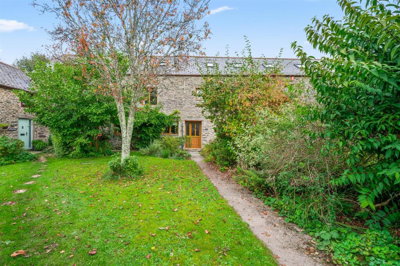
Property on TQ10 9LQ

£750,000

Terraced, 5 bed

TQ10 9LQ

Property on TQ10 9JX

£975,000

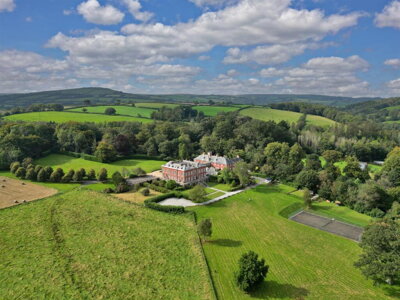
Terraced, 6 bed

TQ10 9JX

Property on TQ10 9JX

£750,000

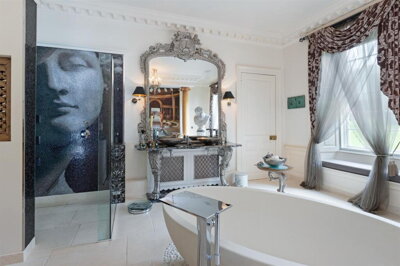
Semi-Detached, 4 bed

TQ10 9JX

Sell your property in Rattery for the best price

Get free, no-obligation valuations from the top-performing local agents. Compare fees, services, and track records before you decide.

Compare Agents Free

Frequently Asked Questions About Estate Agents in Rattery

Who are the best estate agents in Rattery?

Based on current market data, Stags and Helen Moore Property are currently the most active agents in Rattery, each holding 33.3% market share with two active listings. Stags leads on average price at £862,500, positioning them for premium properties, while Helen Moore Property operates in the mid-market segment at £487,500 average. Marchand Petit and Luscombe Maye also serve the village, each with one listing. The best agent for your property depends on your price point and property type.

How much do estate agents charge in Rattery?

Estate agent fees in Rattery follow the national pattern of 1-3% plus VAT (1.2-3.6% including VAT), with the average around 1.5% plus VAT. For a property at the village average of £402,000, this would translate to fees of approximately £4,824 to £14,472 including VAT. High-street agents typically charge percentage fees, while online agents may offer fixed fees between £999 and £1,999, though these may not offer the same local market expertise for rural villages.

Are house prices rising in Rattery?

Yes, property prices in Rattery have seen an average increase of 1.3% over the last 12 months, according to research data. This steady growth reflects the ongoing desirability of the South Hams area as a rural location with good transport links. While this is below some urban markets, it represents sustainable growth that benefits sellers while remaining accessible for buyers.

What is Rattery like to live in?

Rattery is a charming Conservation Area village in South Devon with approximately 468 residents. The village offers a peaceful rural lifestyle while remaining accessible to Totnes and its amenities. Residents enjoy a village pub, community facilities, and access to beautiful surrounding countryside. The area attracts families, retirees, and those seeking a quieter pace of life while still being within reach of Plymouth and Exeter for employment and services.

What type of properties sell best in Rattery?

Three and four-bedroom family homes currently perform well in Rattery, with properties in the £400,000 to £750,000 range generating strong buyer interest. Period cottages also attract buyers seeking traditional Devon character, while larger rural properties at premium prices appeal to buyers from outside the area seeking second homes or relocation to the countryside. The current market shows strong demand across all segments, from entry-level two-bedroom properties through to substantial six-bedroom period homes.

How long does it take to sell a property in Rattery?

While specific data for Rattery is limited, properties in rural South Hams typically take longer to sell than urban equivalents due to lower transaction volumes. Properties priced realistically for the current market should expect a marketing period of several months. Working with an experienced local agent who understands the buyer profile for rural villages can help expedite the process. Properties priced accurately at the outset tend to achieve sales more quickly than those requiring subsequent price reductions.

Should I use a local agent or an online agent in Rattery?

For Rattery's premium rural market, local expertise often proves valuable. Agents like Stags and Luscombe Maye based in Totnes understand the specific appeal of South Devon villages and can target appropriate buyer databases. However, online agents like Helen Moore Property may offer cost advantages for properties in lower price brackets. Consider your property type, target market, and whether you need specialist marketing for period or rural homes. For higher-value period properties in the Conservation Area, the local knowledge and targeted marketing of established agents typically delivers better results.

What surveys do I need when selling in Rattery?

Given Rattery's significant stock of period properties and listed buildings, a RICS Level 2 Survey is advisable for most properties. For a typical three-bedroom semi-detached home, expect to pay between £450 and £700, while larger detached properties may cost £600 to £900. Properties that are listed buildings or in the Conservation Area may benefit from the more detailed RICS Level 3 Building Survey, which provides comprehensive analysis of construction and defects. Our team can arrange any of these surveys through our partner RICS surveyors.

What are the average prices by bedroom count in Rattery?

Two-bedroom properties currently average around £350,000, offering accessible entry to the Rattery market for first-time buyers or those downsizing. Three-bedroom homes represent the heart of the market at approximately £487,500, appealing to growing families. Four-bedroom properties command substantial premiums at around £750,000, while five and six-bedroom homes represent the ultra-premium segment, with six-bedroom properties averaging around £975,000. This clear price segmentation helps sellers position their property appropriately and buyers understand what to expect in each bracket.

How does the Rattery property market compare to nearby towns?

Rattery sits within the premium tier of South Hams villages, with average prices around £402,000 reflecting its Conservation Area status and rural appeal. Nearby Totnes offers a broader range of properties at slightly lower average prices due to its larger, more diverse housing stock. The village's premium positioning means Rattery typically commands higher prices than surrounding smaller parishes, making it attractive for sellers while remaining competitive within the South Hams market for buyers seeking village character.

Services You Will Need When Selling

Sort Your Estate Agents From Anywhere

Excellent
4.9 out of 5 star rating on Trustpilot
Trustpilot
Estate Agents
Best Estate Agents in Rattery

Compare 4 local agents, data from 6 active listings

Find Agents
ITV News TV Appearance The Times Featured AI Tech Company The Guardian - Homemove Insert Feature
Terms of use Privacy policy All rights reserved © homemove.com | Estate Agents » Rattery

Homemove is a trading name of HM Haus Group Ltd (Company No. 13873779, registered in England & Wales). Homemove Mortgages Ltd (Company No. 15947693) is an Appointed Representative of TMG Direct Limited, trading as TMG Mortgage Network, which is authorised and regulated by the Financial Conduct Authority (FRN 786245). Homemove Mortgages Ltd is entered on the FCA Register as an Appointed Representative (FRN 1022429). You can check registrations at NewRegister or by calling 0800 111 6768.