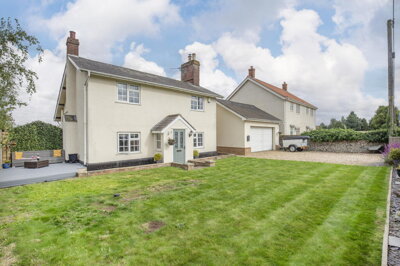
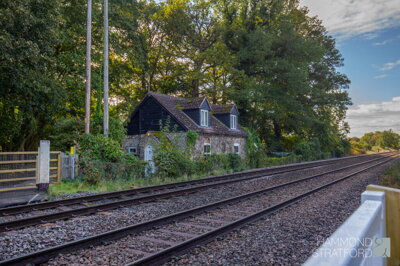
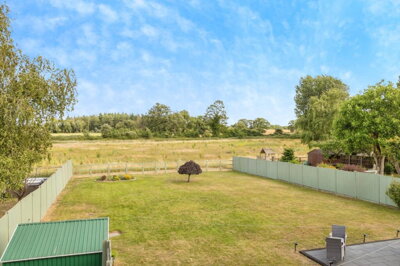
Quidenham nestles within the Breckland district of Norfolk, an area characterised by its rural charm, ancient woodlands, and medieval heritage. According to the 2011 Census, the village has a population of 560 residents across 189 households, creating an intimate community atmosphere where neighbours often know one another. The village sits approximately 6 miles from Attleborough and 14 miles from Norwich, offering residents a peaceful countryside lifestyle while maintaining reasonable access to larger towns for work and amenities.
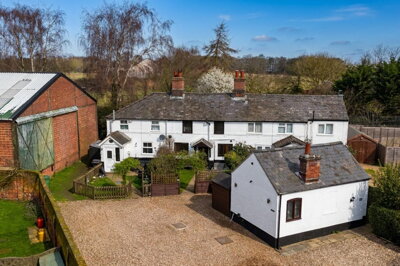
The historical significance of Quidenham is evident in its architectural heritage, with the village containing several notable listed buildings. The Church of All Saints stands as a Grade I listed building, representing the finest architectural heritage in the area. The Grade II* listed Churches of St Andrew and St Mary, along with the Grade II listed Carmelite Monastery at Quidenham Hall (dating to around 1600) and The Old White House (mid-18th century), further demonstrate the village's historical depth. These properties, alongside others at 122, 124, and 125 Green Lane, contribute to the distinctive character that attracts buyers seeking authentic Norfolk village life.
For families considering the area, Quidenham falls within the Breckland district school catchment, with primary education available in nearby villages and secondary education in Attleborough. The local transport links, including the train station in Attleborough providing services to Norwich and Cambridge, make the village viable for commuters. The A11 dual carriageway nearby offers straightforward road access to the wider region, connecting residents to employment opportunities in Norwich, Cambridge, and beyond.
Geological considerations for property buyers include the typical Norfolk geology of chalk, clay, and sand deposits, with shrink-swell clay potentially posing foundation risks for older properties. The River Whittle flows through the village, with a monitoring station reporting normal river levels, indicating the presence of river-related flood considerations that prospective buyers should investigate through appropriate surveys. The traditional construction methods found in rural Norfolk often include solid wall construction with brick, flint, or rendered finishes, characteristics that a thorough RICS Level 2 Survey would assess for potential defects common to older properties.










 Starkings & Watson
-20d ago
Starkings & Watson
-20d ago