Pitney is a small village nestled in the South Somerset countryside, offering residents a peaceful rural lifestyle while maintaining reasonable access to larger towns and cities. The village sits between Langport and Somerton, both of which provide essential amenities including supermarkets, pubs, and primary schools. The River Parrett flows near Langport, contributing to the area's attractive landscape while also bringing considerations around flood risk for properties in low-lying locations.
The geological character of Somerset includes diverse soil types, typically comprising limestone, clay, and sand formations. This geology can affect property foundations and the shrink-swell risk for clay-rich soils, particularly in areas with significant rainfall. Properties in Pitney, like many in Somerset, may benefit from specific survey types that assess these ground conditions, especially for older buildings where traditional construction methods were employed.
Transport links from Pitney connect residents to the wider region via the A378 and A303, providing routes toward Taunton (approximately 15 miles north) and Yeovil (approximately 12 miles south). Mainline railway stations at Taunton and Bridgwater offer connections to Bristol, Exeter, and London Paddington. The village's position makes it attractive to commuters seeking a rural balance while maintaining access to employment centres, though a car is generally considered essential for daily life in this area.
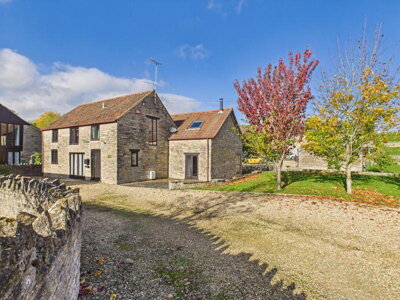
The village itself features a mix of period cottages, converted barns, and family homes that reflect Somerset's agricultural heritage. Many properties in Pitney date back to the 18th and 19th centuries, constructed from local Ham stone and red brick that characterise the region's built environment. This architectural heritage adds character and value, but also means that buyers should be aware of potential maintenance issues common in older properties, including roofing condition, damp penetration, and outdated electrical systems.










 Georgejames Properties
-54d ago
Georgejames Properties
-54d ago