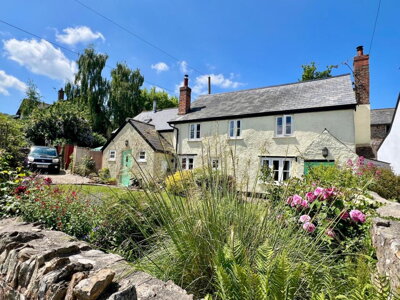
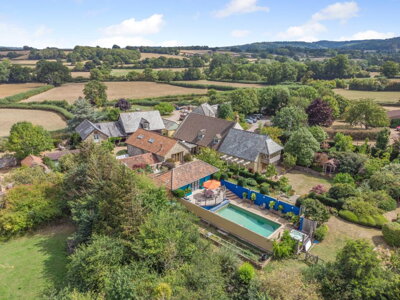
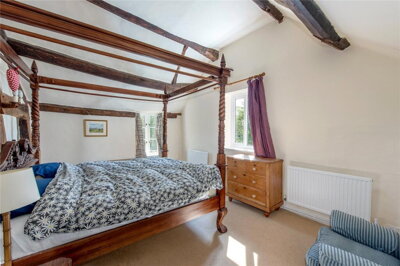
Pitminster is an Ancient Parish in Somerset, situated approximately 4 miles south-west of Taunton, the county town. The village is characterised by its historic architecture, with the Church of St Andrew and St Mary standing as a prominent Grade I listed building dating from around 1300, constructed from random rubble local stone with Ham stone dressings. This ecclesiastical heritage is mirrored throughout the parish, with numerous other Grade II and II* listed buildings including barns, farmhouses, and cottages that contribute to the area's distinctive character. The presence of these historic properties means local estate agents must understand the complexities of selling listed buildings, from listed building consent requirements to the additional considerations buyers must factor in.
According to the 2021 census, Pitminster has a population of 1,008 residents living in 417 households. The demographic profile suggests a mix of families, retirees, and professionals drawn to the village for its rural setting while maintaining reasonable access to Taunton for work. The village benefits from a genuine sense of community, with local events and the popular village pub creating social connections that appeal to those making the move from larger towns. The presence of Poundisford Park, a Grade I listed manor house built around 1550, and the Church of St Michael in Angersleigh further underscores the area's historical significance and attracts buyers interested in heritage properties.
Transport links serve the village adequately for a rural location, with the A358 and A38 providing connections to Taunton and the wider road network toward Exeter and Bristol. While Pitminster itself lacks a railway station, the county town of Taunton offers mainline rail services to London Paddington, Bristol, and Exeter, making it practical for commuters. The lack of specific flood risk data for the village suggests it sits outside high-risk flood zones, though prospective buyers should always conduct thorough searches given the changing climate patterns across Somerset. This relative flood safety adds to the area's appeal for families and those seeking a secure rural base.
The local economy historically centred on agriculture, with two maltings and a tannery recorded in the 1870-72 period. Today, the village primarily serves as a residential base for commuters and those working in the service sector in Taunton. This economic profile affects the property market, with many buyers working remotely or making regular journeys to larger towns. Estate agents familiar with this buyer profile can tailor their marketing to emphasise the village's connectivity alongside its rural charms.










 Robert Cooney
-11d ago
Robert Cooney
-11d ago