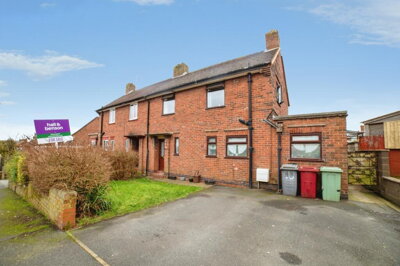
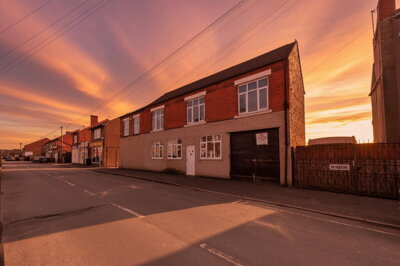
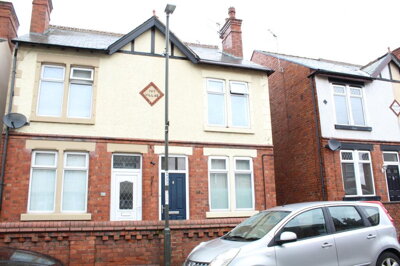
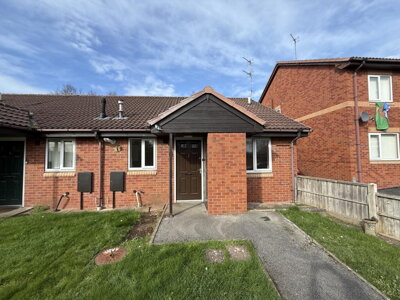
Pinxton is a village of approximately 5,652 residents according to the 2021 Census, sitting within the Bolsover District of Derbyshire. The population density of around 1,056 people per square kilometre reflects a semi-rural character with strong community ties. The mean age of 40.0 indicates a balanced demographic mix of families, working-age adults, and retirees. With 2,506 households, Pinxton offers a tight-knit community atmosphere while remaining accessible to larger towns and cities in the East Midlands.
The area's geological character reflects its industrial heritage. Pinxton sits on the River Erewash and has historical links to coal mining, with the first colliery shaft sunk in 1788 and the last mine closing in 1968. The local geology includes sedimentary layers with limestone and coal seams, overlaid by boulder clay containing sand, clay, and stone boulders. This clay-rich soil creates potential shrink-swell risks, where ground volume changes with moisture content, a factor worth considering for property buyers in older homes.
Pinxton contains four Grade II listed buildings, including Brookhill Hall, St Helen's Church, the Stableblock at Brookhill Hall, and the War Memorial at St Helen's Church. Pinxton Castle, a scheduled monument in Castle Wood, represents medieval heritage but was included on Historic England's Heritage at Risk Register in 2022 due to unconstrained vegetation growth. These heritage considerations can affect property values and renovation options for certain properties in the area.
Flood risk is a notable consideration in Pinxton, with the River Erewash designated as a Flood Warning Area. Properties around the Sewage Works and ponds face river flooding risk, while low-lying agricultural land and roads including Pinxton Wharf access road, Beaufit Lane, Guildhall Lane, Plymouth Avenue, York Terrace, and Alexander Terrace are also vulnerable. Surface water flooding can occur during intense rainfall, a risk acknowledged by Pinxton Parish Council's Flooding Emergency Action Plan. Knowledgeable local agents understand these micro-market factors and can advise accordingly.











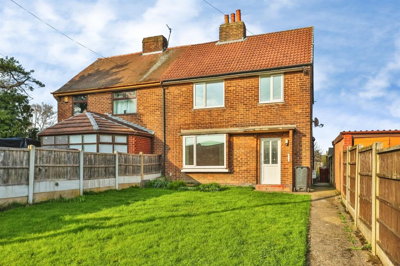
 Burchell Edwards
-6d ago
Burchell Edwards
-6d ago