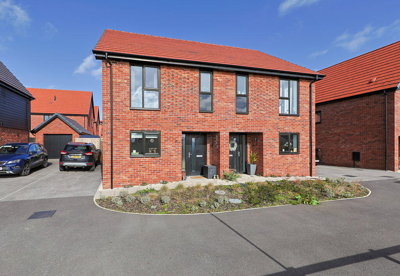
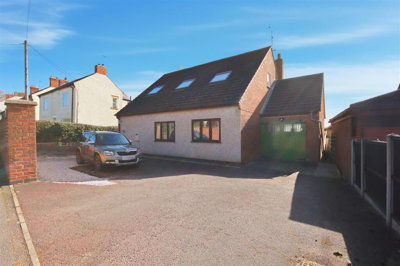
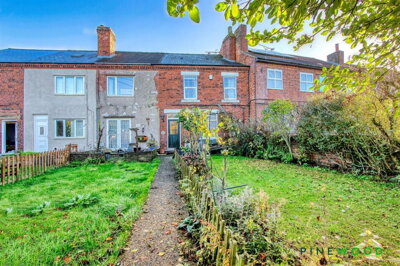
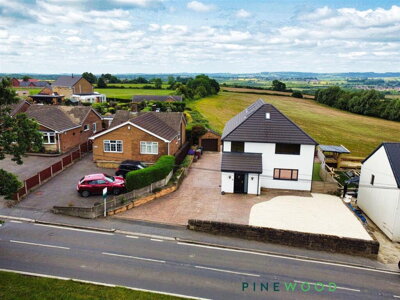
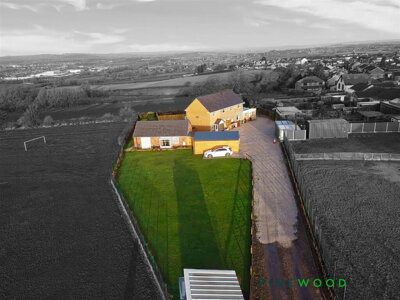
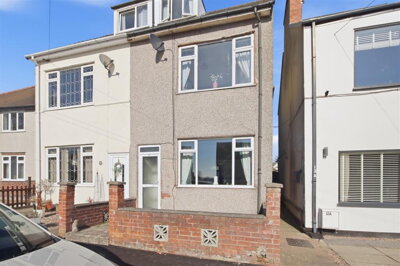
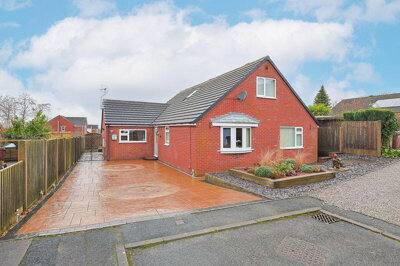
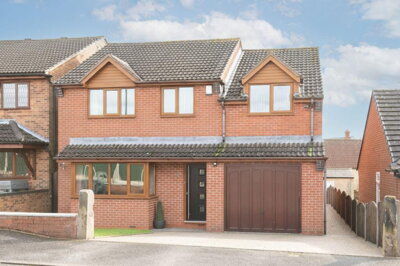
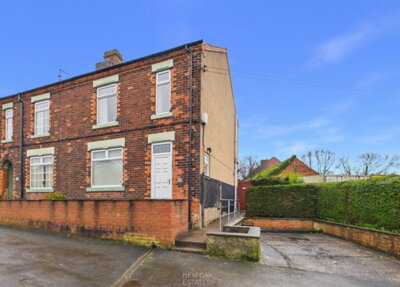
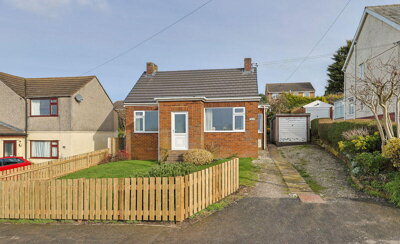
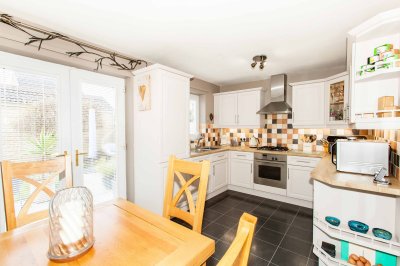
The Pilsley housing market has experienced notable adjustments recently, with our data showing an average asking price of £236,360 while sold prices tell a slightly different story. According to Rightmove, the overall average house price in Pilsley over the last year was £179,417, while Zoopla reports a sold price average of £171,380 for the past 12 months. This difference between asking and achieved prices reflects the broader market correction affecting many parts of Derbyshire, where properties are taking longer to sell than they did during the peak years of 2022-2023.
Land Registry data confirms that house prices in Pilsley have fallen by approximately 19.3% over the past 12 months, with the median locality sale price in 2025 down 18.8% compared to 2024. The 2023 peak saw average prices reach £211,577, meaning current values are approximately 15% below that recent high. In 2025 alone, there were 27 recorded sales in the locality, indicating continued but reduced transaction activity. The current market favours buyers who can move quickly, with less competition for properties creating negotiating opportunities that didn't exist during the boom years.
Property type analysis reveals distinct price bands within the Pilsley market. Detached properties command the highest average prices at around £285,400, with the median for 2025 sitting at £290,000 based on seven recorded sales. Semi-detached homes, which account for 37% of all sales according to PropertyResearch.uk data, averaged £167,750 with a median of £169,000 across ten sales. Terraced properties, the most common type sold in Pilsley, averaged £128,450 with a median of £124,500, while flats remain rare in the locality with only one recorded sale in 2022 at a median of £80,000.
The village's housing stock reflects its Derbyshire heritage, with properties predominantly constructed from the characteristic red brick associated with the region. The terraced properties that dominate the lower price brackets were largely built to house workers during the coal mining and manufacturing era that shaped local communities. This historical context explains why the S45 postcode area offers such affordable entry points to the property market compared to surrounding towns.










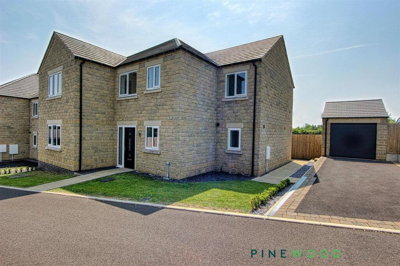
 Pinewood Properties
-4d ago
Pinewood Properties
-4d ago