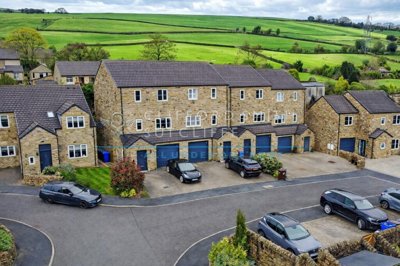
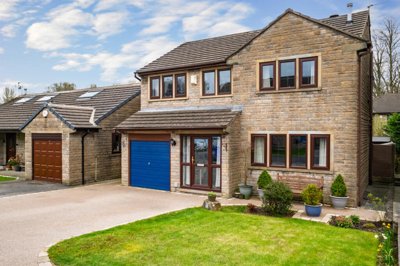
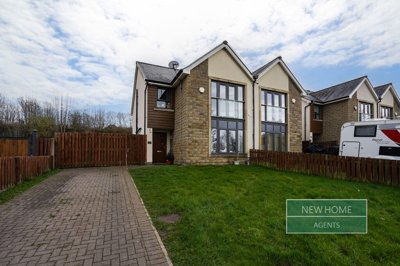
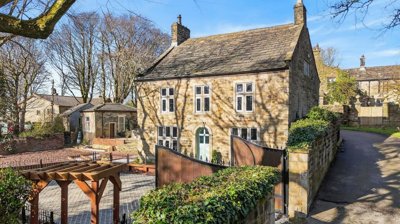
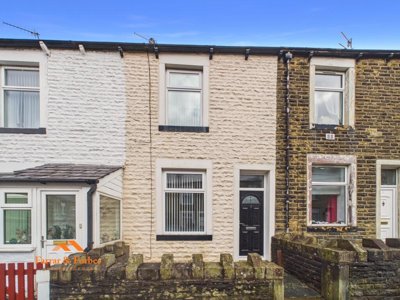
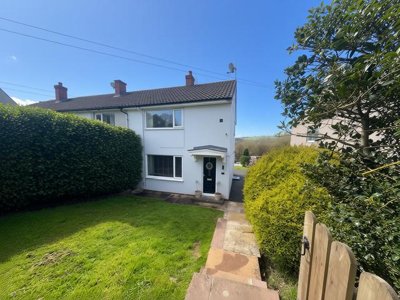
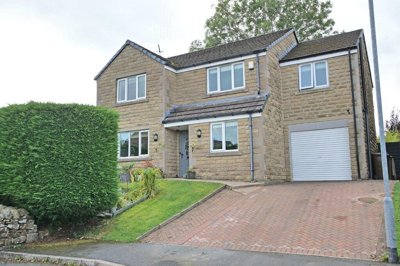
Pendle occupies a distinctive position in Lancashire, combining industrial heritage with stunning Pennine landscapes. The borough's population of 92,118 across 38,700 households reflects a stable community with strong local ties. The towns of Nelson, Colne, Barnoldswick, and Brierfield each offer distinct characters, from Nelson's diverse multicultural community to Barnoldswick's traditional market town atmosphere. The borough's proximity to the Yorkshire Dales and Forest of Bowland provides excellent recreational opportunities, while the M65 motorway connects residents to broader employment centres.
The geology of Pendle presents specific considerations for property owners and buyers. The underlying Carboniferous rocks, including sandstones, shales, and limestones, combined with glacial till deposits in certain areas, create moderate to high shrink-swell risk in clay-rich soils. This can affect foundations, particularly near trees, and buyers are advised to commission appropriate surveys. Properties in areas like Colne and Nelson, built on older industrial land, may require additional investigation regarding ground conditions and potential legacy issues from historical mining activity, though this is less prevalent than in other parts of Lancashire.
Flood risk affects several areas within Pendle, particularly along the River Calder corridor and its tributaries through Nelson, Colne, Brierfield, and Barnoldswick. Surface water flooding is also a concern in urban areas with impermeable surfaces. The borough's conservation areas, including historic sections of Barrowford, Barnoldswick, Colne, Nelson, and the picturesque village of Wycoller, reflect Pendle's rich textile heritage. Numerous listed buildings, from former mills to Victorian churches and historic residential properties, require specialist knowledge when buying or selling, making local estate agent expertise particularly valuable.










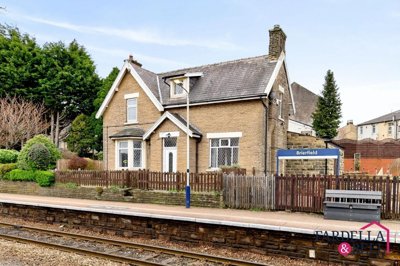
 Fardella & Bell LTD
0d ago
Fardella & Bell LTD
0d ago